As the world searches for environmental solutions, environmental graduates are increasingly in demand. (more…)
More by Rebekah White



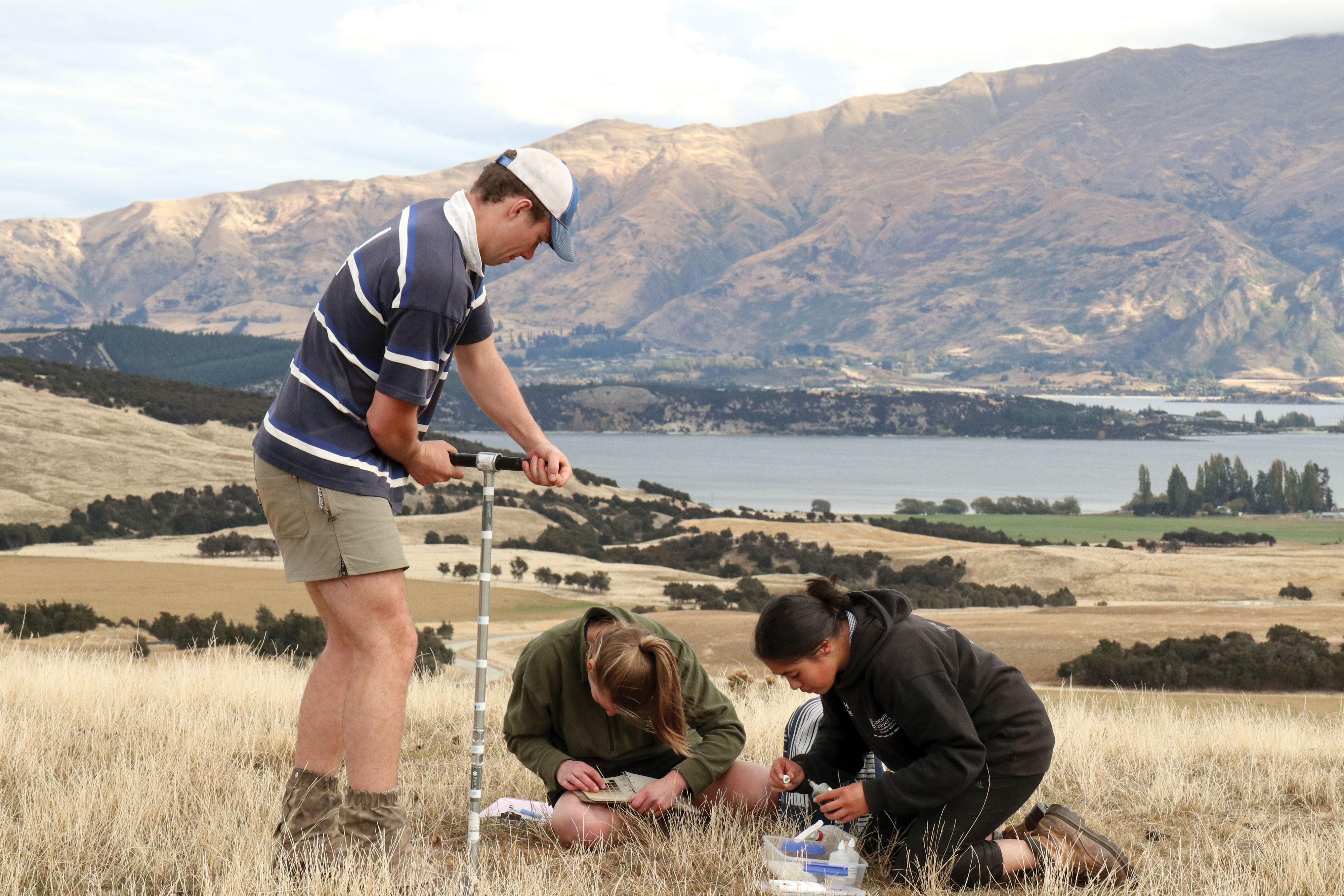
All over the world, communities are facing an ever-widening range of serious environmental concerns such as resource depletion, air and water pollution and global warming. Decisions made now will have implications on the sustainability of the natural environment for generations to come.
University environmental graduates are in major demand, with many opportunities for well-paid employment in areas such as policy development, planning and impact assessment.
Companies are choosing to operate more sustainably and minimise their impact on the environment. Demand for greener production is also creating new jobs in non-environmental industries.
Career opportunities in the environmental field are wide-ranging, spanning areas such as urban and regional planning, agricultural or horticultural consultancy, energy auditing, environmental science, groundwater and critical zone monitoring, wetland management, conservation, biosecurity and environmental policymaking.
Lincoln University’s study programmes will prepare you to make a real difference in these sectors. Graduates learn from some of the best researchers and lecturers in the field and gain access to the most up-to-date industry knowledge, which is attractive to a broad range of employers.

Lincoln’s programmes range from a highly practical diploma to bachelor’s degrees covering environmental science, management, planning and policy, and conservation and ecology. Specialist postgraduate and masters options in environmental studies are also available.
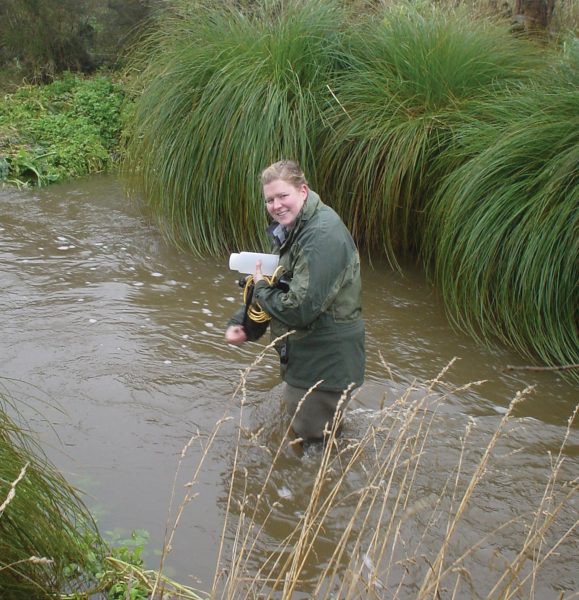
Lincoln alumna Katie Collins completed Lincoln University’s Bachelor of Environmental Management and Master of Resource Studies before becoming a freshwater specialist at Auckland Council.
With a natural love of the outdoors since childhood, she became involved in strong, environmentally-focused educational programmes at school, which eventually led to her enrolling in the Bachelor of Environmental Management at Lincoln.
During undergraduate studies, her interest in the environment turned specifically towards water usage, quality and quantity, as well as freshwater ecology.
“I’m also interested in how Māori cultural values interact with ecology and natural resource planning,” she says. “On completing my master’s thesis, I applied for jobs in freshwater policy and monitoring, and my qualifications helped me to land my first role.”
In her position at Auckland Council, Collins worked with the Auckland Plan Natural Environment Chapter, Unitary Plan and the National Policy Statement for Freshwater Management. She went on to become a freshwater science advisor at the Department of Conservation, eventually gained a PhD in biological sciences and is now a highly respected expert in the field.

Penny Grigg is studying towards Lincoln’s Bachelor of Environment and Society. Originally from a rural background in Blenheim, she always wanted to attend Lincoln University and is preparing for work that involves helping to make the agricultural sector more sustainable. Her flexible degree offers a range of diverse perspectives on global, social and environmental challenges.
“I’m able to take a lot of different papers, such as bioscience and sociology, so it’s a good mix of subjects. I especially enjoy the lab work and hands-on activities offered at Lincoln,” she says.
More by Rebekah White
Subscribe to our free newsletter for news and prizes
3
$1 trial for two weeks, thereafter $8.50 every two months, cancel any time
Signed in as . Sign out