Scientists discover ‘snow’ 4000 metres under the sea, and it powers much of life in the vast abyss. (more…)
More by Skye Wishart



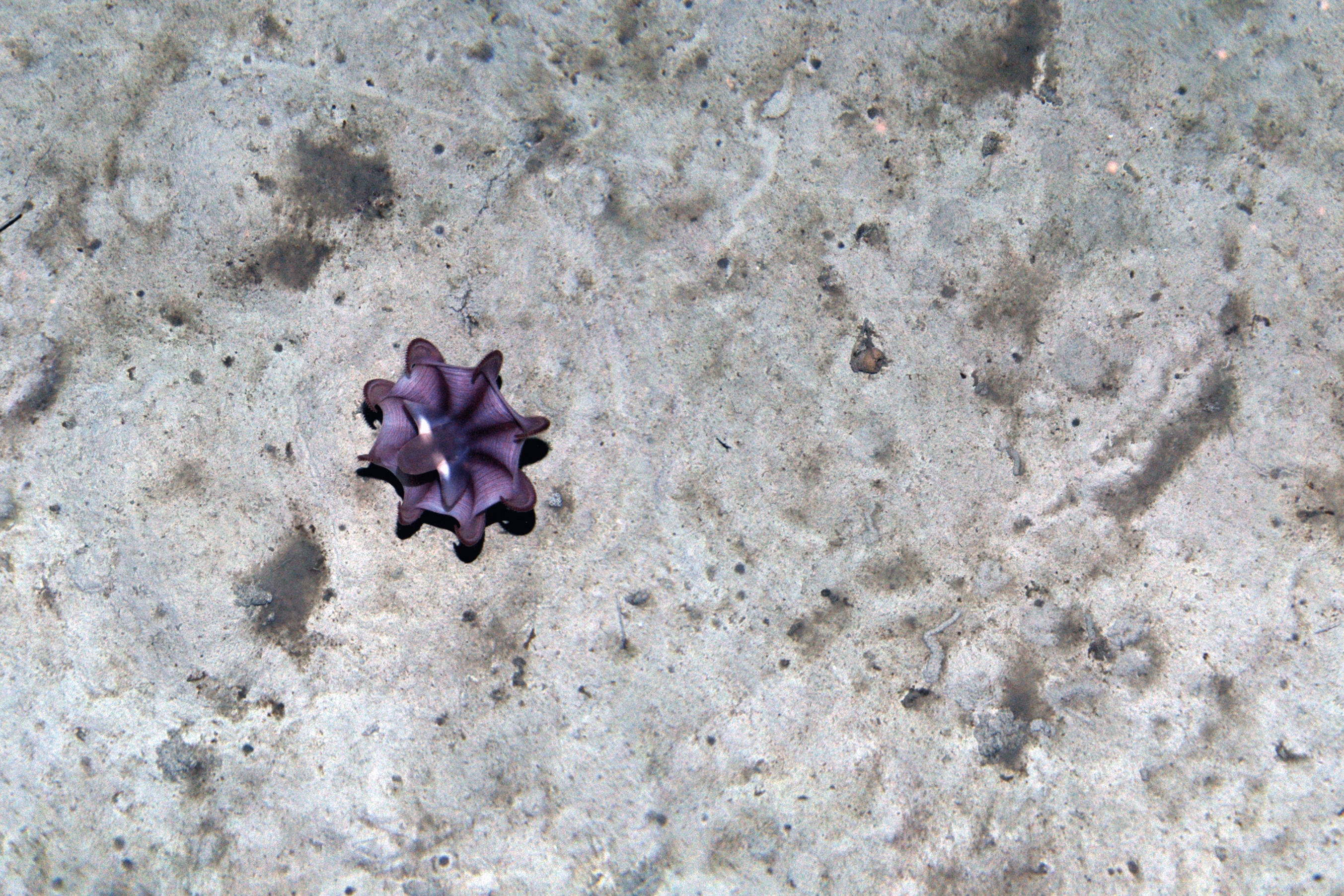
Scientists from the National Oceanography Centre in the United Kingdom used robotic submarines to image city-sized areas of the Porcupine Abyssal Plain, west of Ireland, to see what life it holds—data that is normally collected with a trawl net behind a ship.
The images, produced using technology similar to Google Street View, show muddy plains, and a mosaic of small mounds and furrows that host some three times the amount of life found in adjacent areas. The scattered hills teem with sea anemones, small corals, sea cucumbers, brittle stars, squat lobsters, sea spiders, octopuses and rattails; about 100 species were identified in the study area alone.
The study, published in Scientific Reports, used machine learning technology to connect the location of the ‘snow drifts’ with the increased biomass found there.
Marine snow is made of dead algal plankton and its waste, and forms fluffy clumps. This nutritious brew is the main food source for bottom-dwelling filter feeders, and was more apparent on the abyssal hills than the plains. Study author Henry Ruhl says the currents move the marine snow in such a way that more settles on the hills than the plains.
With an estimated 25 million hills at depths greater than 4000 metres globally, they have a strong influence on the distribution of life under the sea, he says—an important consideration when looking at the impacts of industrial activity in deep water.
More by Skye Wishart
Subscribe to our free newsletter for news and prizes
3
$1 trial for two weeks, thereafter $8.50 every two months, cancel any time
Signed in as . Sign out