




A dog-eared pile of responses from last year’s reader survey has been sitting on the editorial desk for the past 12 months. Every few weeks we pick it up and skim through. We highlight comments, scribble in the margins, and take it all on board.
The document is the editorial bible we didn’t know we needed. When we are trying to decide which stories to cover, or which image to put on the cover, we go back to the survey. It’s a paper version of you.
We had expected it to be a one-off, but your feedback is so valuable that we’re running the survey again this year. Hundreds of you have already responded and we have summarised your thoughts below. We absolutely want more. Please tell us what you think—we read every entry, and our highlighters are poised.
*
Statistics have a wonderful power to cut through assumptions, but they can also build confidence when they reflect our day-to-day guesswork.
In the past year we have been focusing on how to tell stories about our environment in a way that gives readers a sense of agency, while not glossing over the urgency.
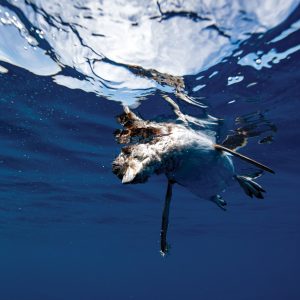
Our environment is under immense pressure, and we need to report on the science without feeding anxiety, or worse, apathy. There’s a fine line between telling an important story—about the decline of red-billed gulls, for instance, or plastic pollution—and drowning you in existential dread.
“More than ever we need a science-based, vocal and popular environmental watchdog and advocate. I see this as NZGeo’s strength.” RB
“The bad news gets more than its share of media coverage. More stories on the tireless efforts that lead to halting or even reversing a problem are very cheering and encouraging … and thus motivating. Despair motivates very few.” LH
That doesn’t mean we soft-ball it, but it does mean that we celebrate successes or solutions when we come across them. The truth is that there are fixes for many of our greatest challenges, but short-termism, perceived rights or social inertia get in the way.
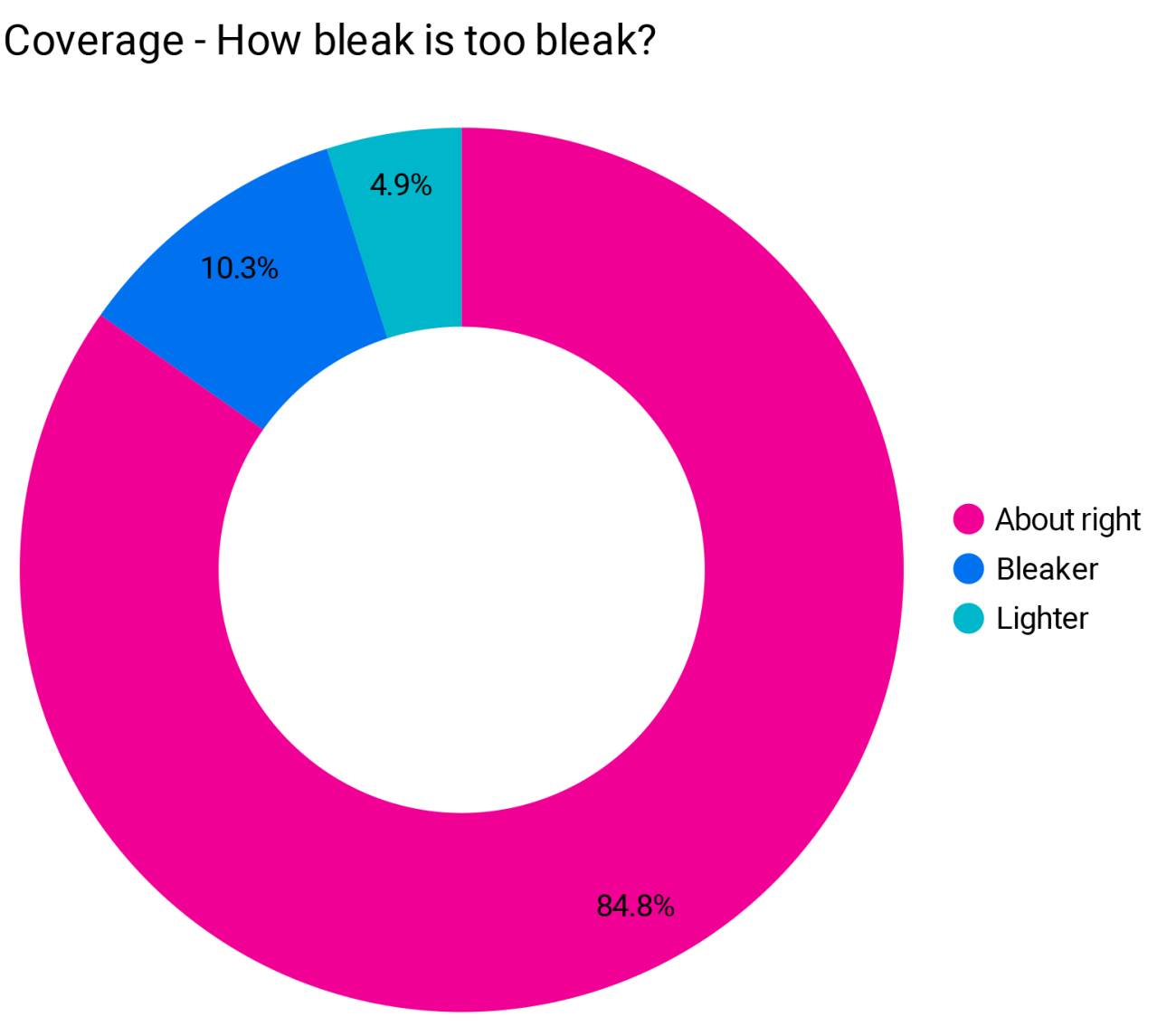
Are we getting this right? Or in the words of editor Catherine Woulfe, “How bleak is too bleak?”
83% of survey respondents tell us that we’re getting the editorial balance right, 5% say we should lighten up a bit, and 10% want us to go bleaker. I could see the weight lift off Catherine’s shoulders as she looked at the donut chart:
“You need to be an advocate for our environment and people. Don’t be afraid to get political. Stand for something!” SZ
“Too left-wing politically correct anti-current-government tone in your magazine is why I will no longer subscribe.”
We’re also tickled by the sorts of stories that won’t change the world, but simply tell us something about it: like our recent features on marching teams, butterfly collectors, and bonsai obsessives.
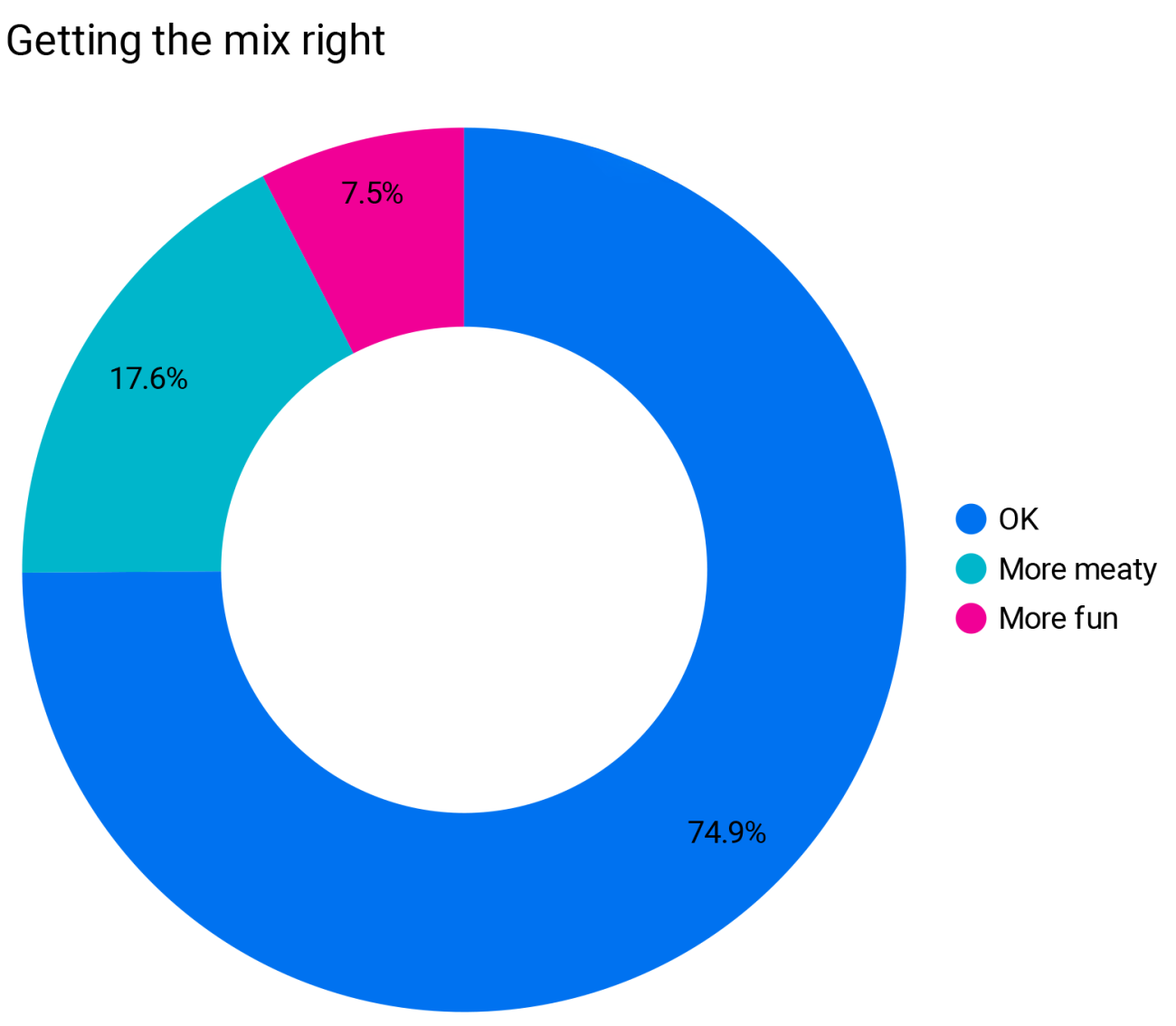
Are we getting that magazine-y mix right? Do you want more of the meaty stuff, or more fun? Respondents so far say we’re nailing the mix, and if anything, desire more carbs. But what do you think?
As for content, we appear to have triggered an avalanche of ideas. You have suggested stories about urban renewal, volunteering, jellyfish (and “ocean floaties that may or may not be jellyfish”), bagpipe bands, “weird plants”, licensing for whitebaiters, and that subject on everyone’s mind, “the ignimbrite of the Central North Island”. (I admit we had to look that one up.) Some we’re already working on, like hornets, native bees, and overfishing.
“I rely on you to broaden my knowledge.” MM
“I like the humour. Please do not lose that.” WR
You want stories on weeds, the disappearing sand dunes at Mangawhai (does it have something to do with sand mining?), and a piece on the forgotten moonshot, Predator Free New Zealand—“I would love an update, is it even still a goal?”
You want us to cover overseas mining companies, inland waterways, abandoned gold rush towns “like Macetown, and logging settlements like Port Craig”, dragonfruit “the next roadside pest”, space exploration and mud-farming. Pages and pages of ideas.
“You guys are doing top tier journalism and that is becoming rarer… I love reading your work. Thank you :)” ED
“The articles are great discussion starters.” SM
Every ‘content pillar’ (Nature, Society, Science, Travel, History) has its ardent fans, but the list of subjects we should cover less was shorter. A few felt we should cover social stories less, though the number was fewer than thought we should cover that pillar more.
Four readers listed climate change or global warming as subjects we should cease reporting on, one adding helpful colour;
“Stop presenting pseudo-scientific bullsh*t as fact and forcing it down the throats of your readers. We hate it. Stop it.”
“I don’t love all topics you cover, but I appreciate being exposed to things that I wouldn’t choose to learn about. So don’t stop anything!” JP
Readers love the magazine itself (some noting we could use a bigger font), tolerate the accessibility and convenience of the website (despite navigation issues) and seem to appreciate the tone and humour of the Weekender newsletter (so long as I don’t drone on too long). Enthusiasm, with qualifiers.
“Newsletters are kinda lame. Do a podcast, post something on social media.”
“I love the personal messages, it makes me as a reader feel part of your team 🙂 And great to have teasers for articles.” KS
The standout observation on the Weekender, however, is that while many readers find the weekly prompt useful, print subscribers can be disappointed that they have already read the stories in the magazine.
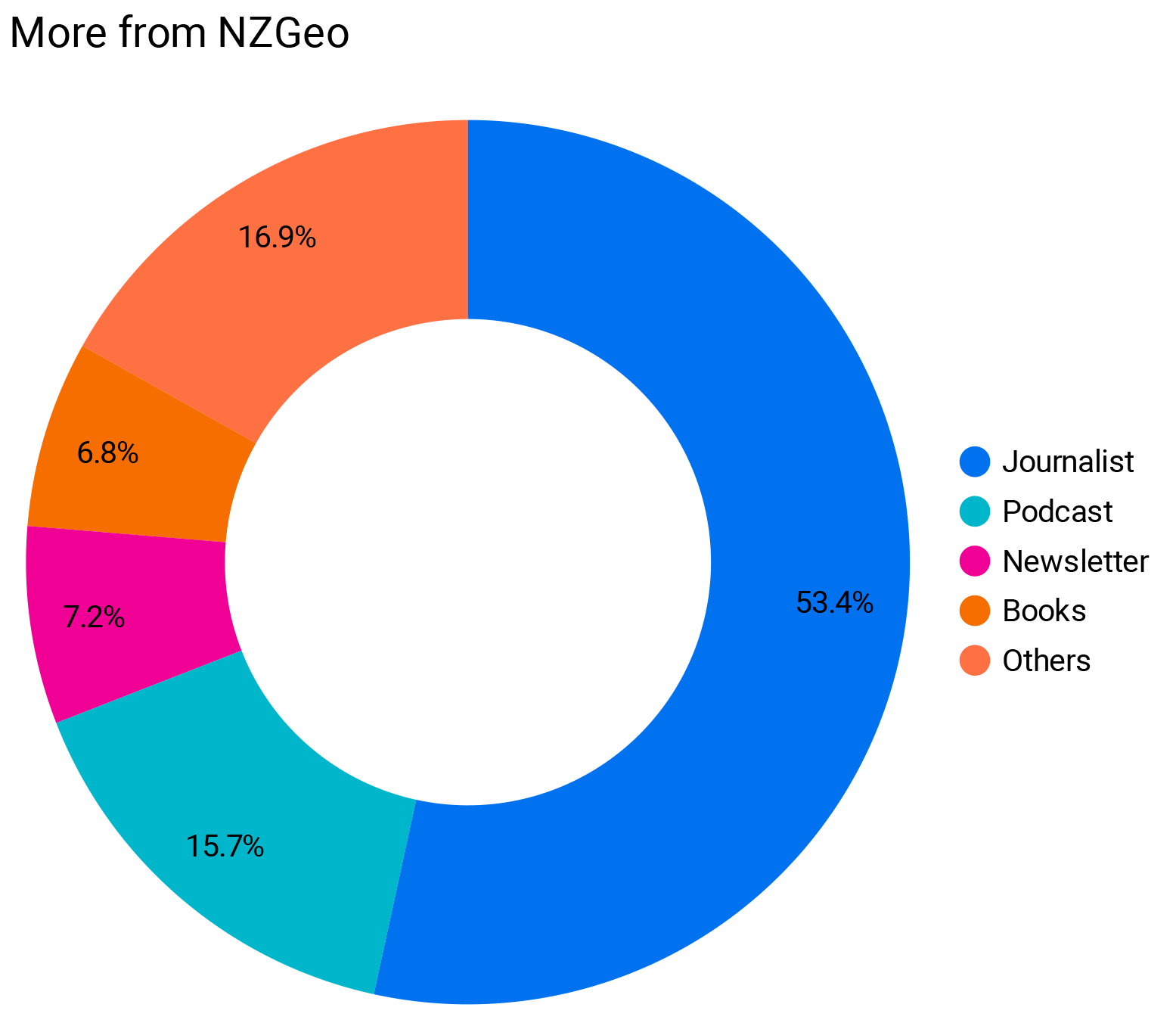
The solution is to create more digital-only stories, and for that we need an in-house journalist, and for that we need more subscriptions—an additional 2,000 in fact. So, you can see where this is going… please subscribe, and we can give you more, lots more.
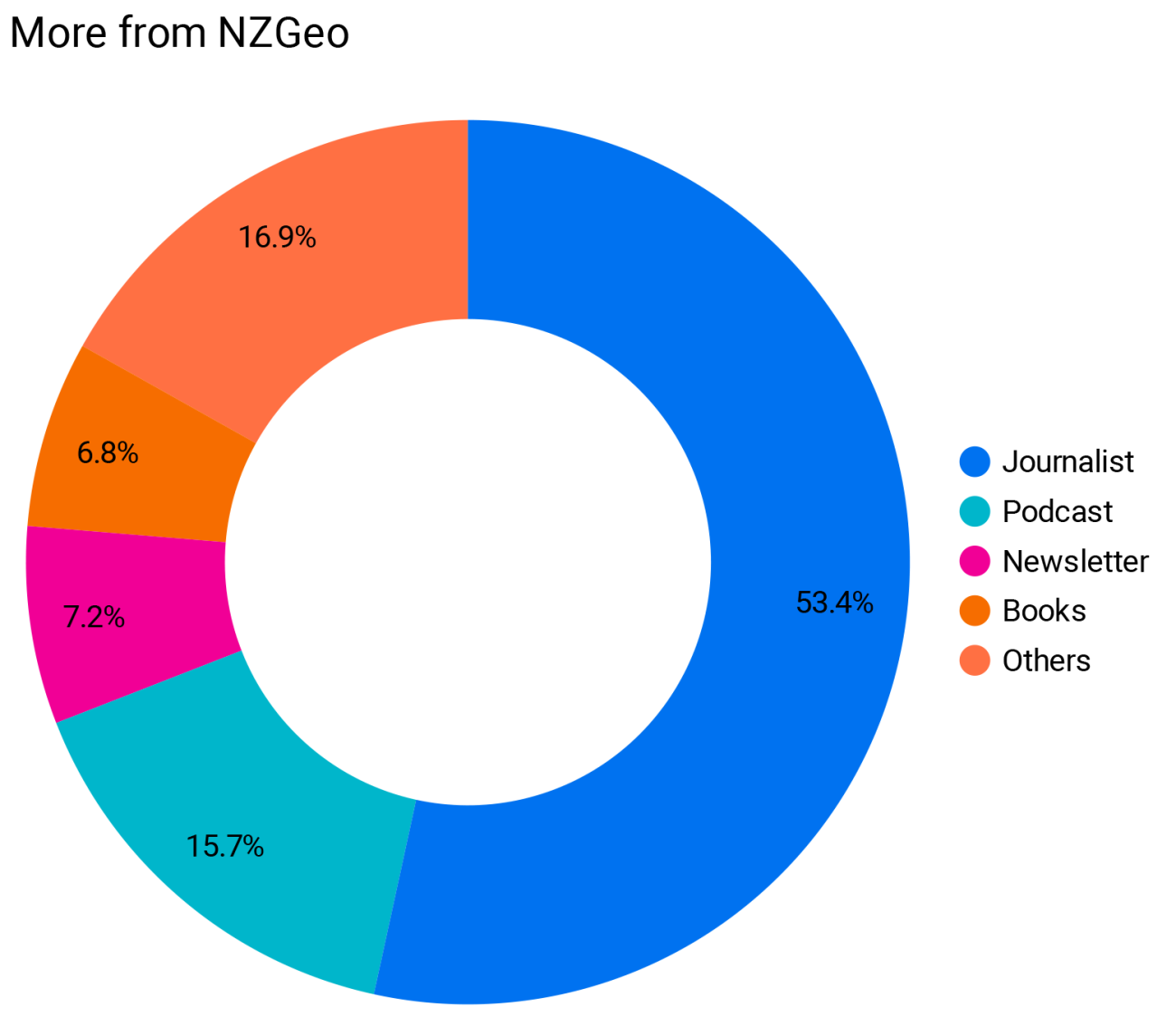
“Keep on keeping on, please.” LB
“I love the way you communicate with your customers. I feel that you really listen.” SS
On that, I’m going to be candid at this point in the campaign. I previously mentioned the raging success of 2024’s campaign, and my months of heart palpitations around a mass expiry event that would leave us with a lot less than the 10,000 subscriptions we need to get through 2026. But you and your fellow stakeholders in our future are largely renewing.
“I revel in the fact that at present you seem to be steering a course that does not subscribe to the tyrannies of critical theory.” AM
“I’m new this year but my I am bloody hooked. Love ya stuff.” JC
Thanks to your commitment, we are holding our own, and are on track to trade through 2026. Will we hit the 12,000 subscriptions that will create the headroom for the in-house journalist of our dreams?
The answer is “it’s complicated”. Which is to say, the subscriptions sales trendline says ‘no’, but, you know, we’re imaginative people. Subscribe like crazy and I’ll make a plan.
More by James Frankham