The true cost of this magazine

Every business has an environmental impact. We decided to calculate ours, using a new and comprehensive standard called planetary accounting. We are the first media outlet in the world to complete a full product lifecycle assessment against scientifically accepted planetary boundaries....

Ten thousand thank yous

We have secured the future of New Zealand Geographic. Again....

An incredible thing happened this week

Last week we reviewed how we had spent last year’s donations and the feature that had benefited from the extra spend. Other subscribers were spurred into action, and donations flooded in—some small ($5 from KD), some large ($5000 from JF). As of today the total stands just shy of $14,000, more than double last year. […]...

Some readers chose to donate—here’s where it went

This time last year, we were approached by a number of readers who had a subscription but wanted to do more to help....

We’d like to know what you think of NZGeo. Like, actually.

A dog-eared pile of responses from last year’s reader survey has been sitting on the editorial desk for the past 12 months. Every few weeks we pick it up and skim through. We highlight comments, scribble in the margins, and take it all on board....

Measuring impact: Here’s the difference NZGeo makes

What would New Zealand be without kiwi? Without Fiordland rainforest, or the haunting call of kōkako? If we run down our ecosystems, and thin out the ocean, is the weight of that loss not greater than the commodity value of the timber or tonnage of fish?...

How we spend your subscription money

In November last year we made a deal with subscribers—this relationship was no longer purely transactional....

We’re in this together now

Like last year, we are presented with a stark set of choices: survive, grow, or die....

About that plastic wrapper…

For six years New Zealand Geographic has been working to find a better wrap to protect our magazines from water damage when mailed to subscribers. We post more than 50,000 copies a year, and altogether, some 10 million magazines are sent around the country annually. It’s a problem worth solving. We looked at switching to […]...

10,000 subscriptions!

You did it! We did it! Everyone did it! 10,000 subscriptions!...

The story of a story

New Zealand Geographic features are works of art that can take anywhere between two months and seven years to produce. Here’s how we make one....
The value of values

We learned a lot from last week’s reader survey. Mostly we were reminded that the things that are important to us are important to our readers as well....
You had a lot of opinions. We read all of them.
We received more than 500 responses to the reader survey last week. Here’s what the results mean and how New Zealand Geographic will make good on reader expectations....

This is your opportunity to influence the future course of New Zealand Geographic.

Enough about us. Let’s talk about you. We want to get to know our readers better—what spins your wheels and grinds your gears....

Our future, by the numbers

The fate of New Zealand Geographic will be decided by the cruel precision of accounting—our income less our costs, year on year. Here’s what that looks like....

We need your help

New Zealand Geographic has been an icon of environmental journalism for 35 years, but times are changing, and we need your help to survive....

Magazine

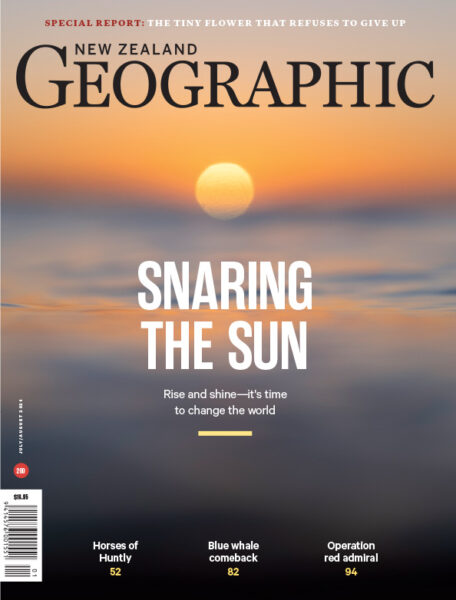
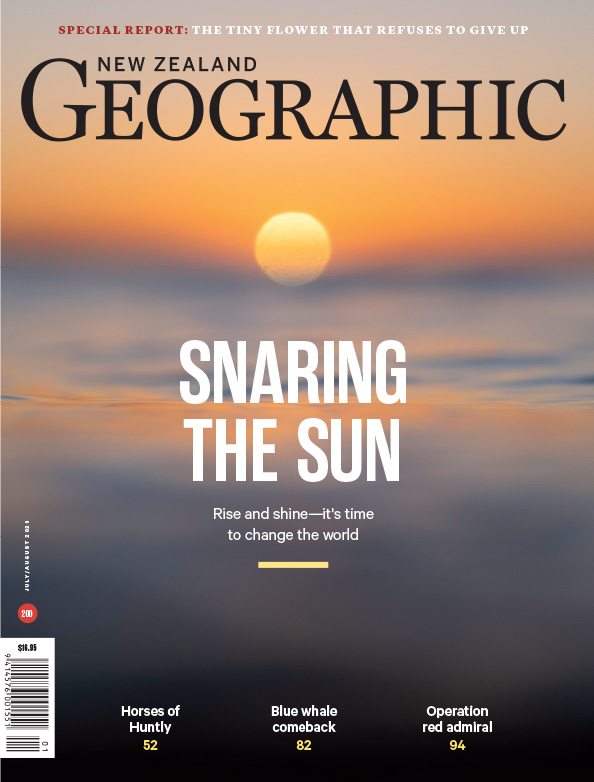
Issue 200

Jul - Aug 2026

Solar power
Horses of Huntly
Forget me not
Whaling
Red admirals

Issue 200 Jul - Aug 2026

Trending

Tararua Forest Park, 2 days...
When the forecast is just right, Irene and Crispin Middleton wake up in the middle of the night and put to sea....
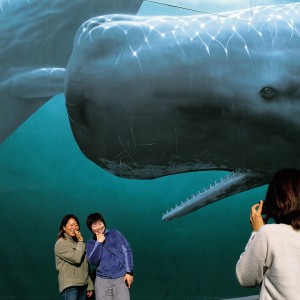
The blast of the harpoon may have given way to the click of the camera, but whales are still the cornerstone of commerce—and the subject of many a decorative mural—in the north Canterbury town of Kaikoura. In little more than a decade, marine ecotourism has transformed a coastal backwater into an international travel hotspot....
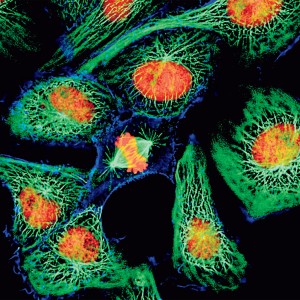
Herceptin is a drug that has attracted a fair measure of attention and contro­versy in recent years. It is used in the treatment of a certain type of breast cancer where some deem it to be of considerable benefit. Unfortunately, it is also very expensive and has ad­verse effects on the hearts of some patients. […]...
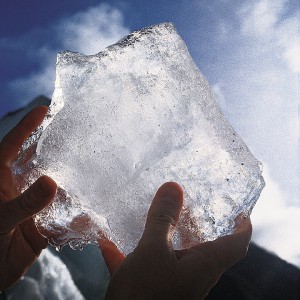
ICE. At one extreme, it is the humble cube which puts the clink in your drink on a hot summer’s afternoon. At the other, it is a major cog in the engine which drives the world’s weather. Further­more, its behaviour over the ages may have played a pivotal role in human evolution. At the heart […]...
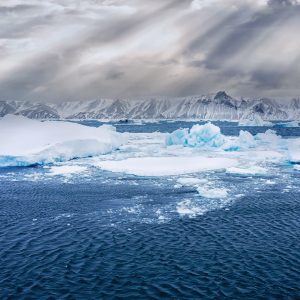
The sea ice around Antarctica melts and refreezes with the seasons, usually doubling the size of the continent by the end of winter. For most of 2023, about two million square kilometres has been missing in action—a record low. We’ve only been keeping satellite records of sea ice for 44 years, but the extent of […]...
As we honour and mourn those lost in the Pike River tragedy, we also consider the future of underground coal mining in New Zealand....
Welcome to the “Science Round-up”, the first of what is anticipated to be a regular summary of interesting science stories relevant to New Zea­landers. There are many worthwhile articles published each week in sci­entific journals, but where can they be found? In this first column I will attempt to answer that question. Access to current […]...
Publishing is invariably a one-sided relationship. You produce words, pictures, illustrations, then print and despatch them, as if tying messages to the feet of so many carrier pigeons. Occasionally a message comes back. And no matter what its content—whether affirmation or disagreement—there is joy in the completing of the loop. That is why any editor […]...
You find something, something old, something with a tale to tell. Who do you call?...

Archive

×

Subscribe to our free newsletter for news and prizes