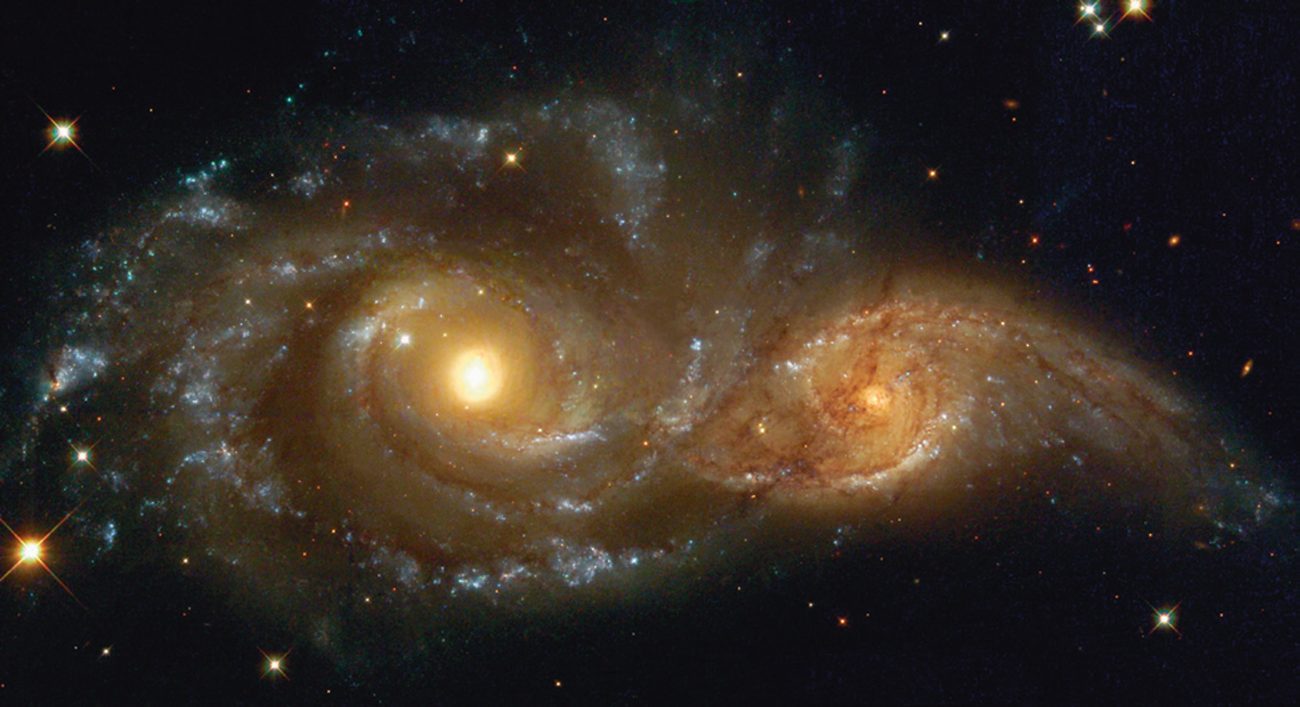
If you noticed something pretty big hurtling towards you at 120 kilometres per second, you’d be worried, right? And if that “something pretty big” turned out to be a trillion stars—a whole, very large galaxy—that would be bad, wouldn’t it? This is not an academic question. Andromeda Galaxy and our own Milky Way Galaxy are […]...
As New Zealanders plunge into autumn and the Northern hemisphere welcomes spring, auroras—those spectral colour displays that occur around the poles and light the night sky at extreme southern and northern latitudes—increase in frequency....
Studying Astrophysics and believing in ghosts might seem incompatible at first glance, but anyone with an ear to the scientific ground knows that this pact is obligatory in the physical sciences. Ask a cosmologist to identify the bulk of the Universe’s mass and she’ll tell you it isn’t found in the stars—less than one per cent—or […]...
At one time or another, nearly all of us have wanted to have a close-up look at the stars, and we have envied the professional astronomers their access to really big telescopes. Just think what you could see given an hour or so with our neighbour’s instrument, the 4 m-diameter AngloAustralian telescope. But this is a […]...
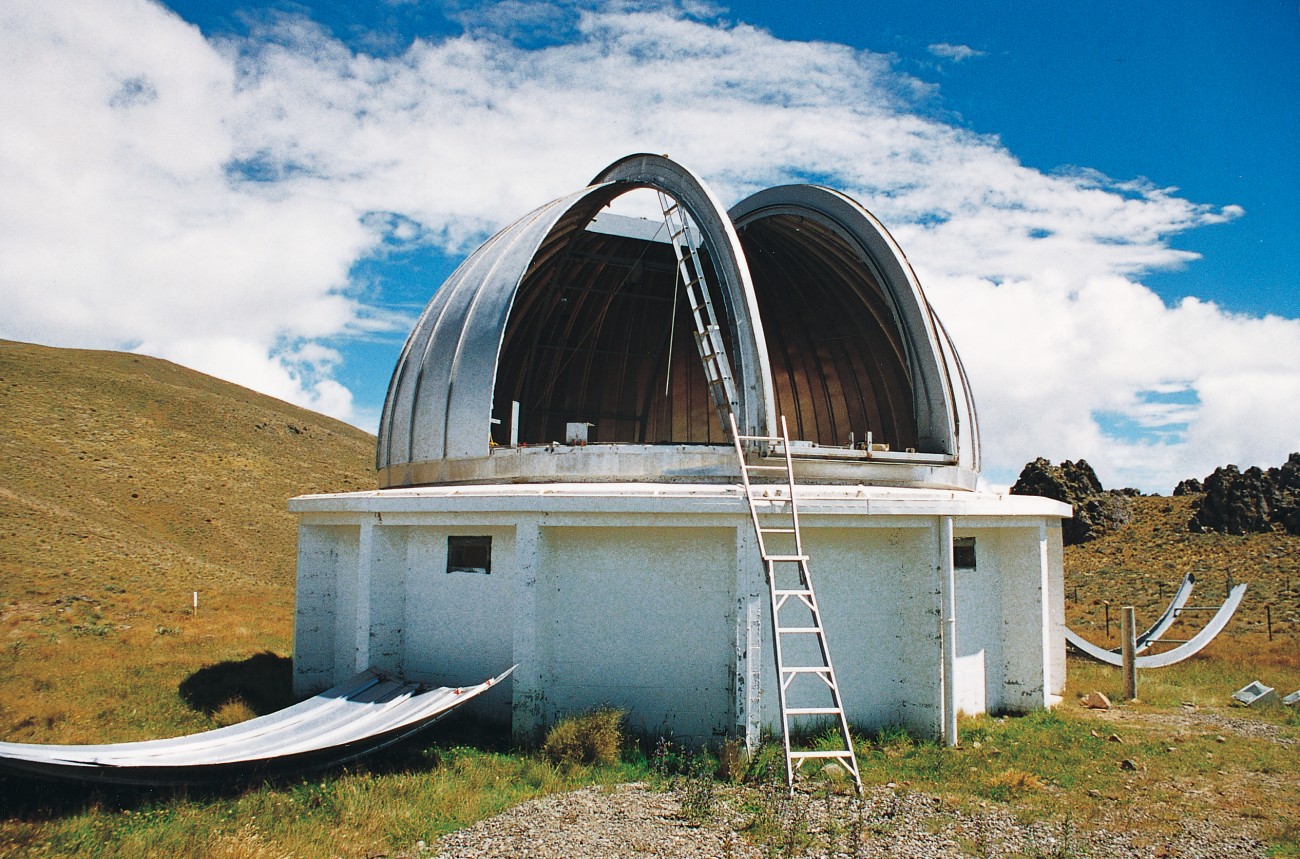
Unusual bumps in the night have had more than one farmer peering over the fence in rural Wairarapa recently. But perhaps such disturbances are only to be expected as an 11-hectare site near the town of Carterton undergoes preparation to become the largest astronomical research facility in the North Island, one which will house the largest fully automated telescope in the country. A group of professional and amateur astronomers has […]...
In the early 16th century, European knowledge of the southern skies was largely anecdotal, depending as it did on reports of first Portuguese, and then Dutch explorers. In 1603, Johann Bayer published his famous Uranometria omnium asterismorvum, the first stellar atlas covering both northern and southern hemispheres. It was also the first to use Greek […]...
In 1751, the abbe Nicholas-Louis de Lacaille set to work at the Cape of Good Hope cataloguing the stars of the Southern Hemisphere. Apart from Edmund Halley, who made a cloud-bedevilled expedition to St Helena in 1677, Lacaille was the first European astronomer to observe our skies. Not only did he observe “new” stars those […]...
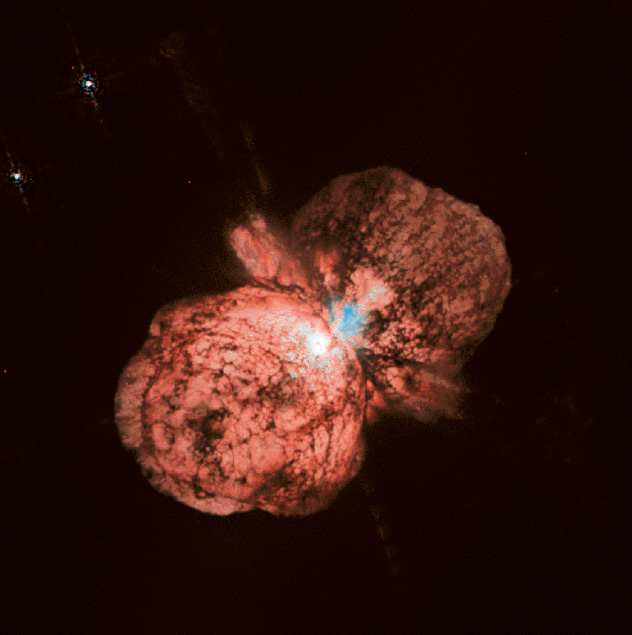
The exciting thing about science is just that, it is exciting. Scientists and their camp followers live in perpetual danger of being ambushed by The Cold Hard Facts. Time and again, elegant hypotheses of respectable pedigree, well buttressed with evidence and gilded with general acceptance, are, if not brought crashing to the ground, at least […]...
The First Nights with a new telescope are exhilarating, as one pokes around the obvious targets: the Moon and the bright planets, the named stars and, with luck, the odd open or globular cluster. But without further information the game can soon pall. The Moon is a lovely object, and one can browse the edge of […]...
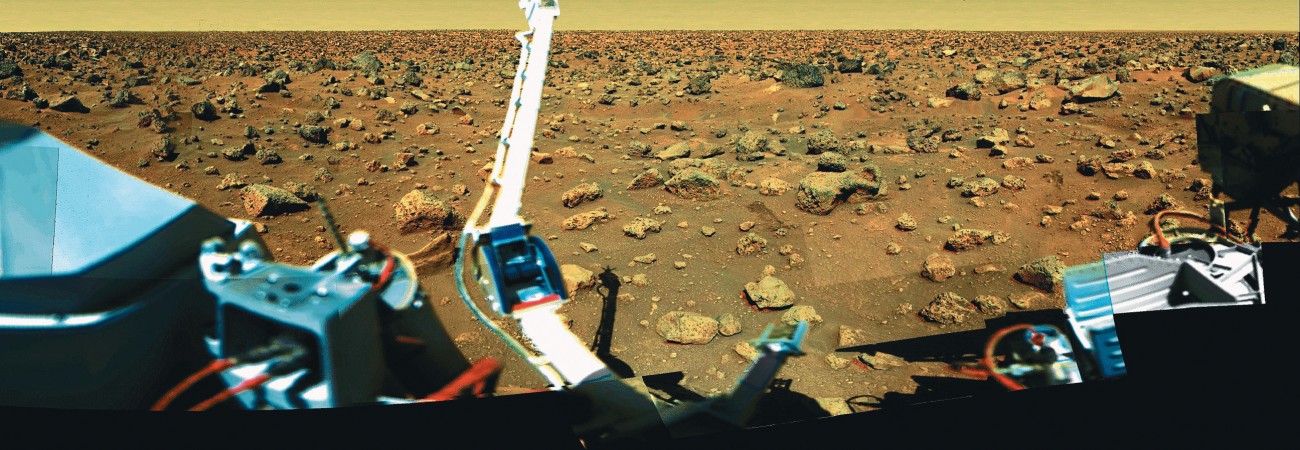
Mars and its Pathfinder may have been the star astronomical attraction of 1997, but most of the crucial evidence for the history of the solar system lies not on planets but on and in the moons of the outer planets—particularly the small moons. In the face of the majestic bulk of Jupiter and Saturn, this truth […]...