Past invasions of New Zealand by Polynesian and European settlers has left the wildlife of New Zealand in complete disarray. Kakapos, takahes, saddlebacks, kokakoes, giant wekas, and tuataras are all critically endangered New Zealand species currently the subject of different management techniques aimed at ensuring their survival – all in the cause of trying to […]...
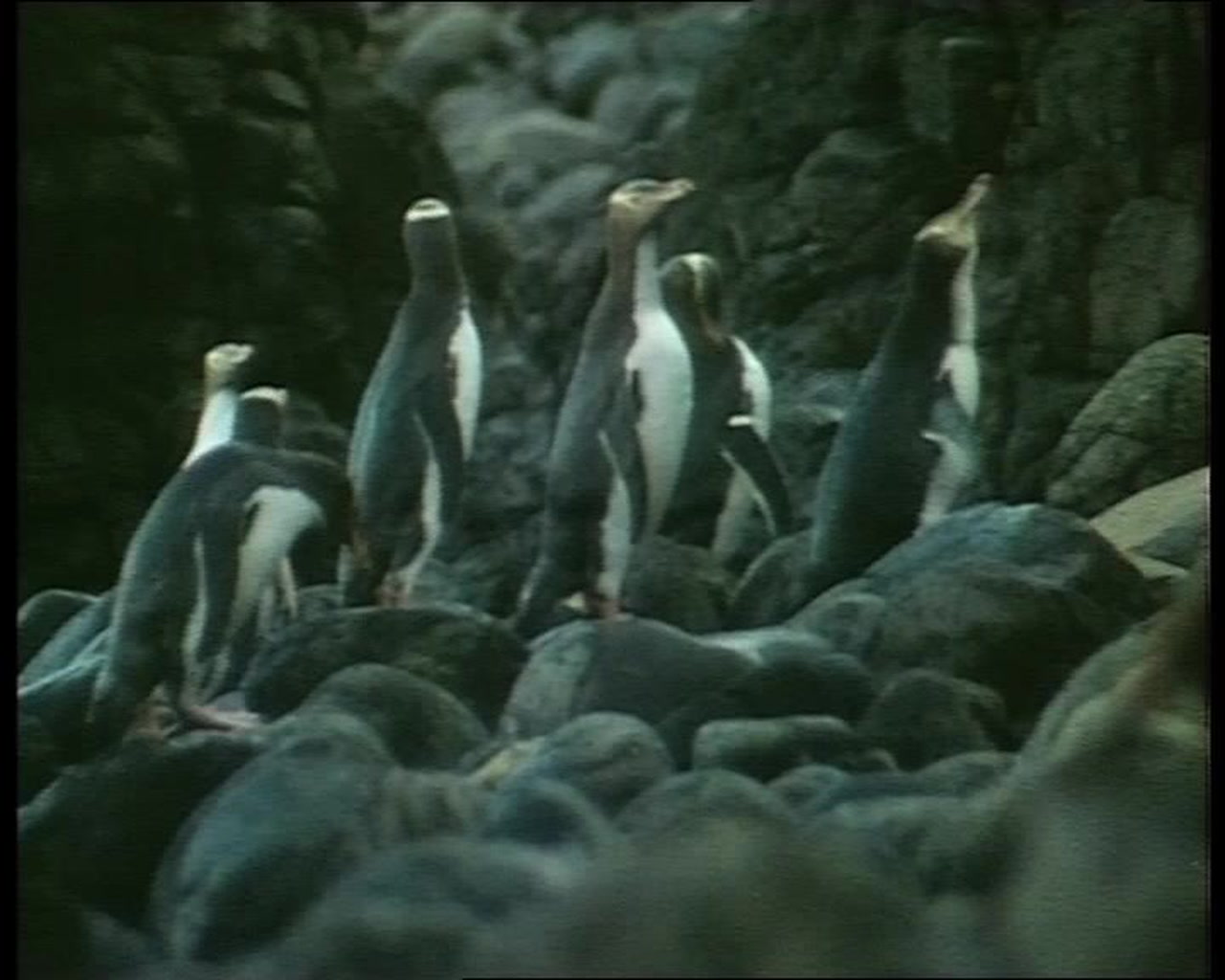
For 18 years Lance Richdale studied the Yellow-Eyed Penguins on Otago Peninsula, focusing on individual animals rather than populations. Richdale’s life is recreated in the summer of 1940 as he follows the fortunes of “Z12 and 115” – two penguins he’d observed in their final season together....
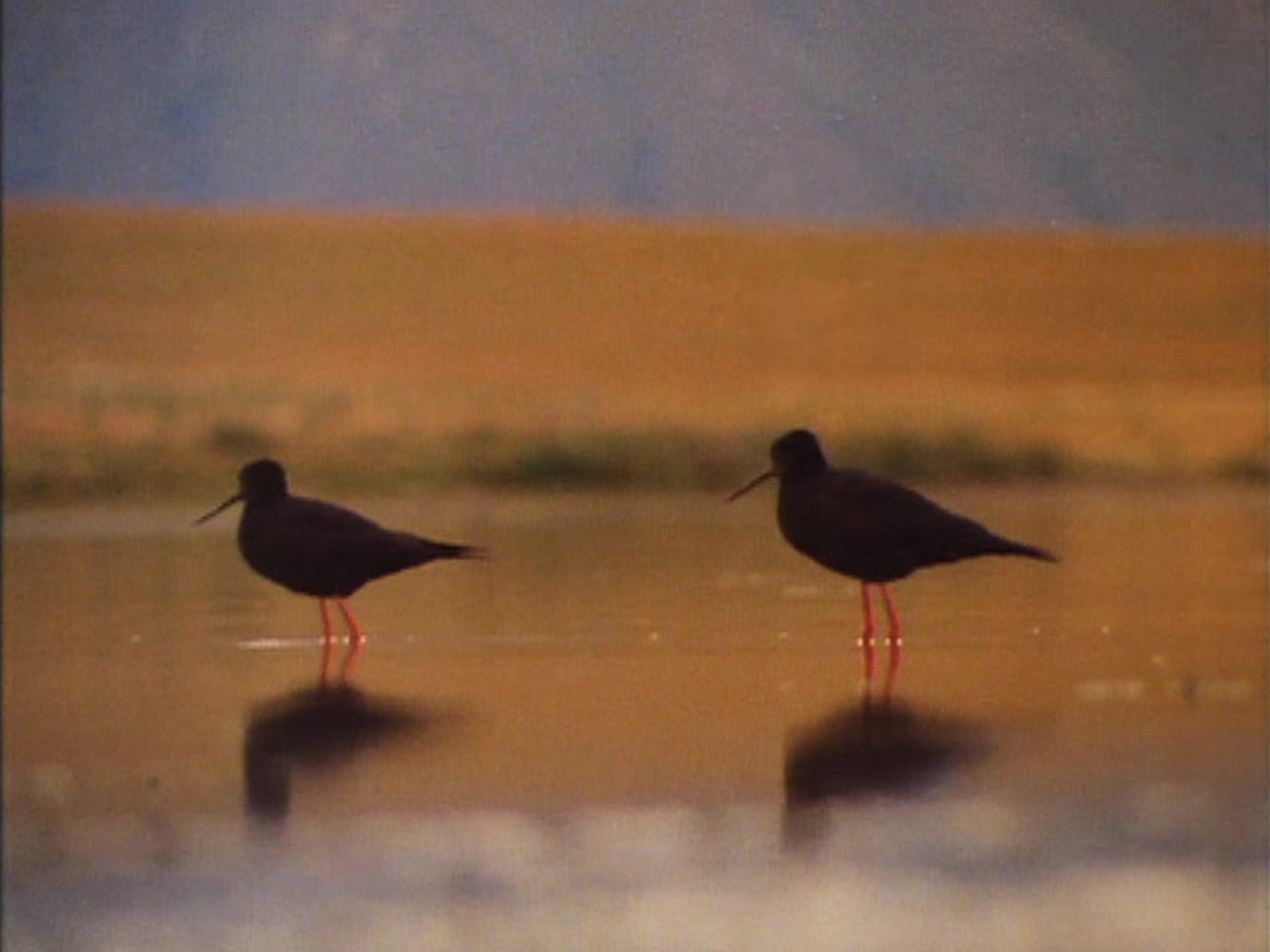
Every year the black stilts in the McKenzie country have a flight on their hands when the Pied Stilts arrive to nest. The blacks always win – but they’re losing the battle....
The Poor Knights are a place where giant wetas and giant landsnails still browse the forests, where large poisonous centipedes and shore crabs stalk the forest floor after dark. It’s also home to a large variety of lizards which pollinate the flowers and distribute the seeds of the forest. Once all these animals lived on […]...
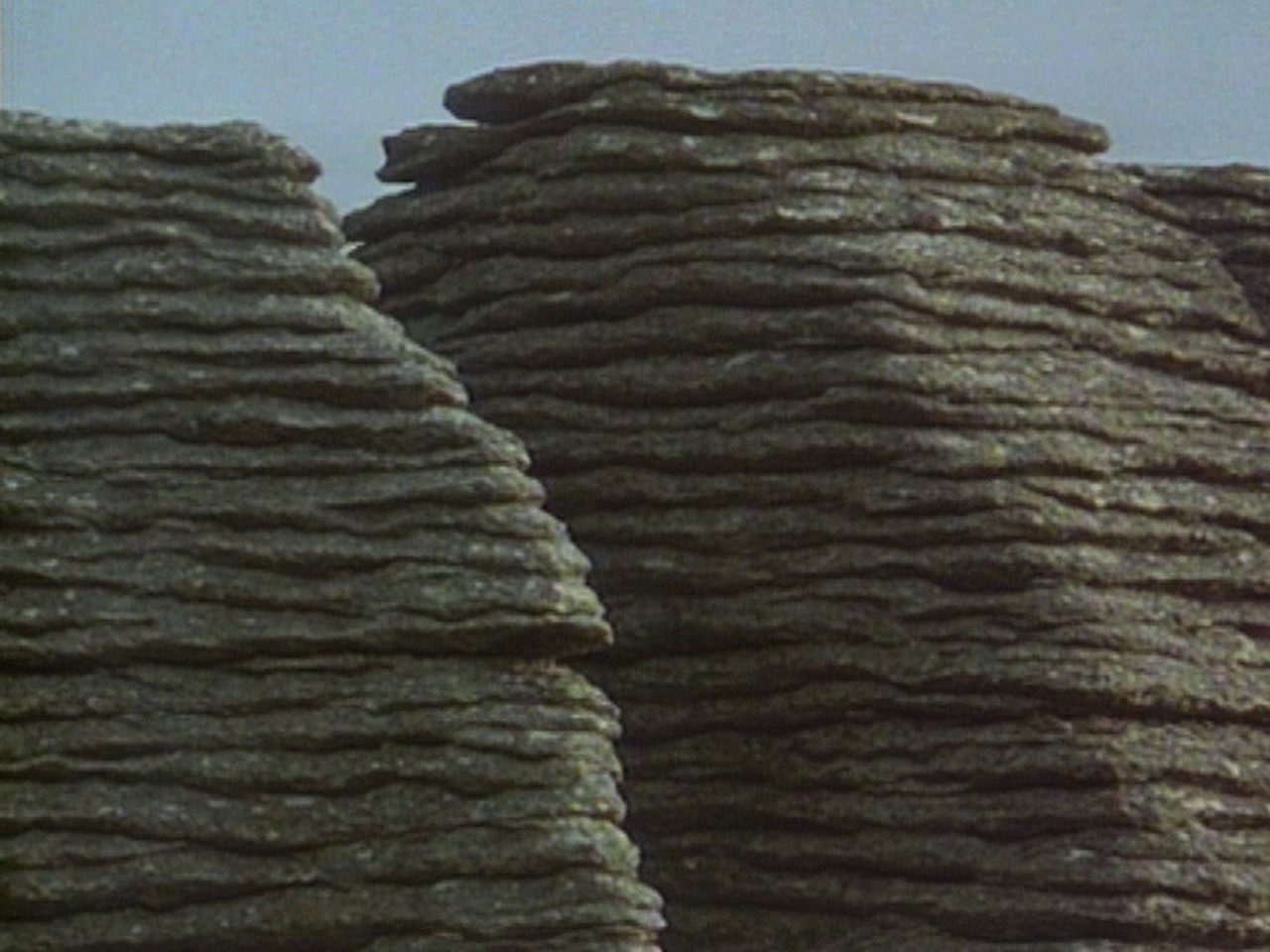
A spectacular look at the strange and wonderful world of New Zealand’s limestone areas. Crafted over thousands of years the rocks and caves hold a bewildering variety of decorations, wildlife and information that link the world below to the one above....
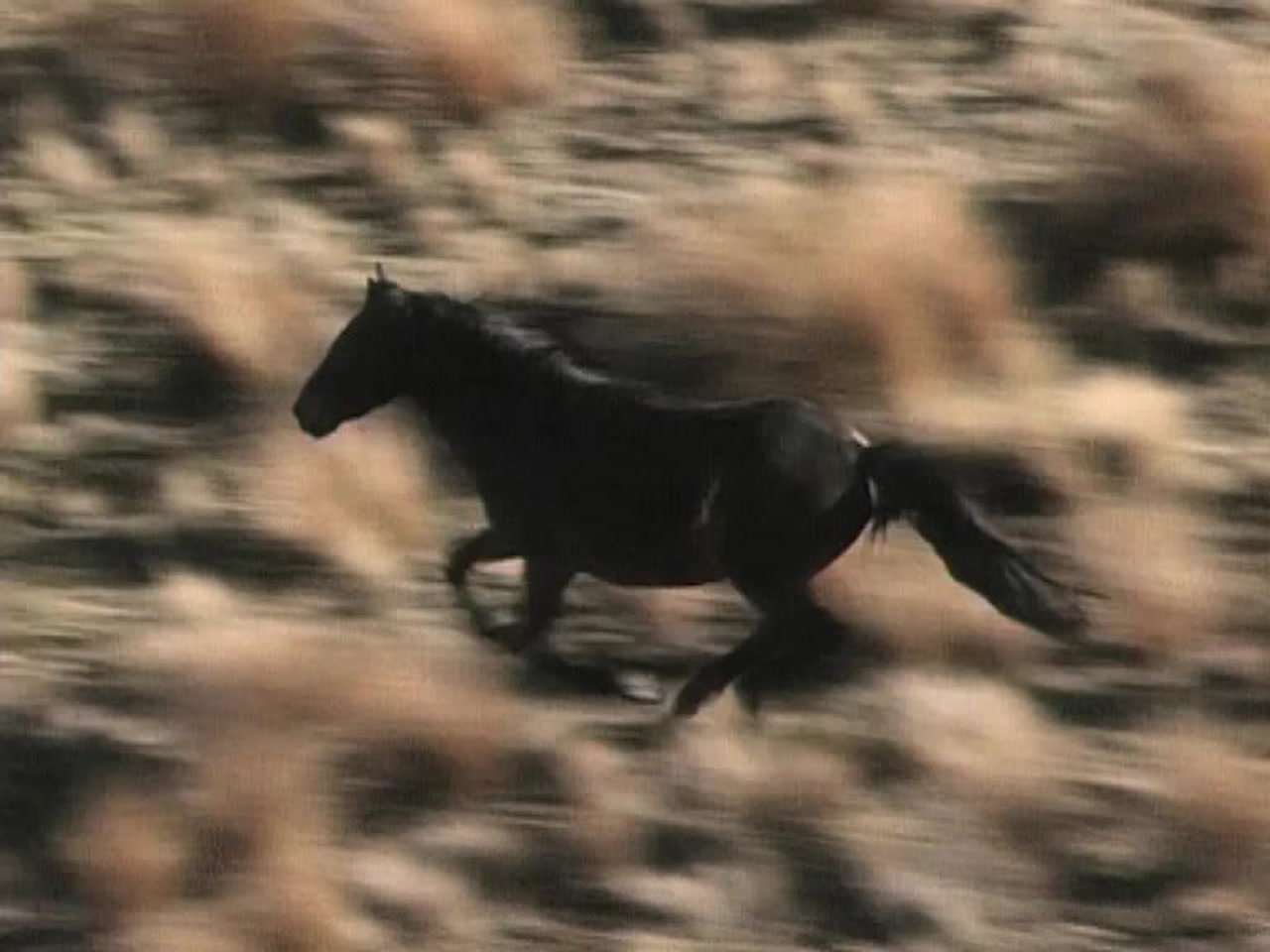
The Kaimanawa ranges in the Central North Island have been home to one of the few horse herds in the world, which has never been managed by man. But the horses are devastating a unique landscape containing tiny rare plants which are millions of years old. This documentary examines the balance of our conservation values....
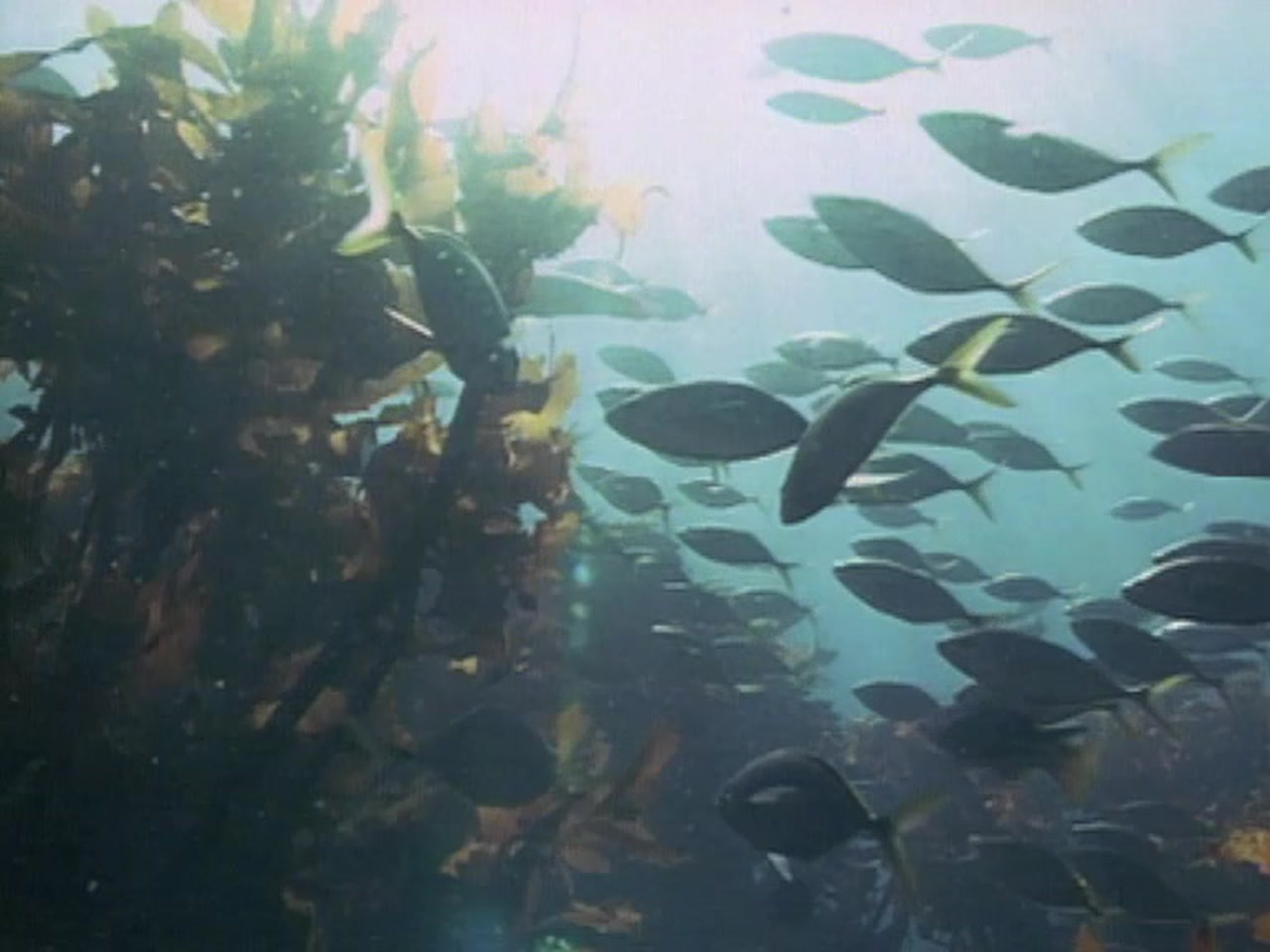
Cities beneath the sea; are they complex urban societies that parallel our own? In this underwater documentary we travel to the Poor Knights Marine Reserve off New Zealand’s Bay of Islands to observe the four seasons of fish society at close quarters....
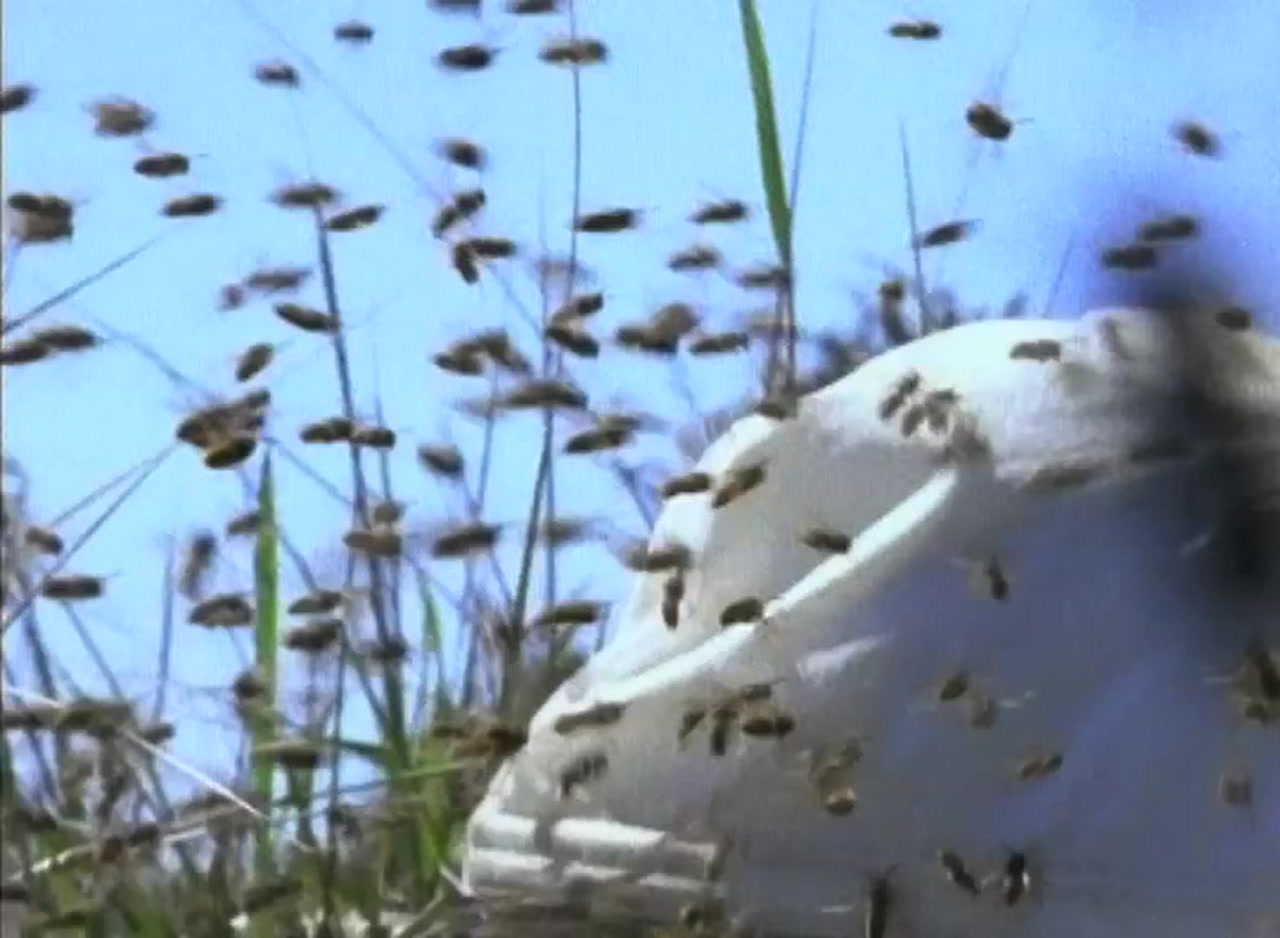
A rampaging horde of wasps spreading death and destruction across New Zealand has left scientists struggling to protect animal and human victims from these yellow and black marauders....
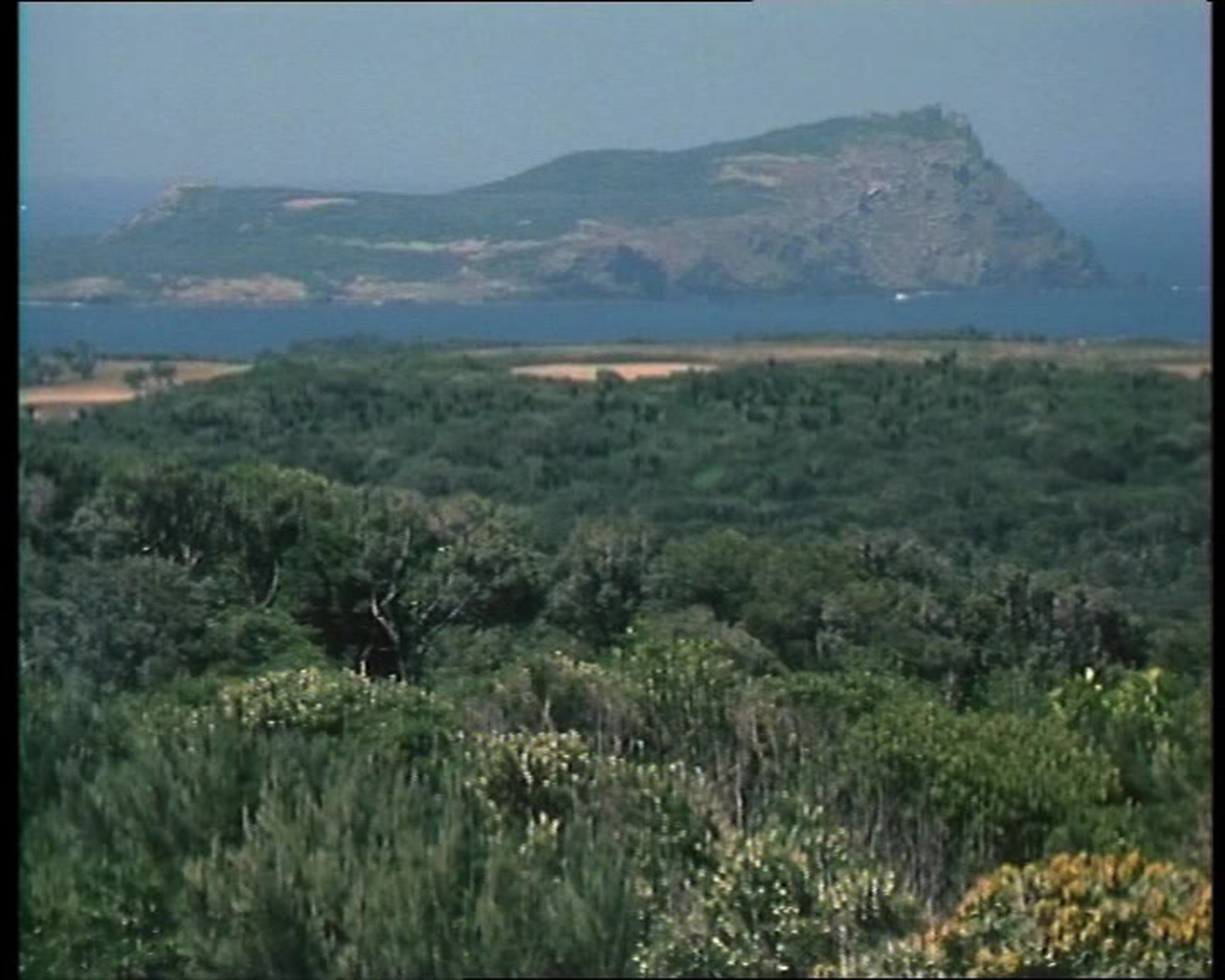
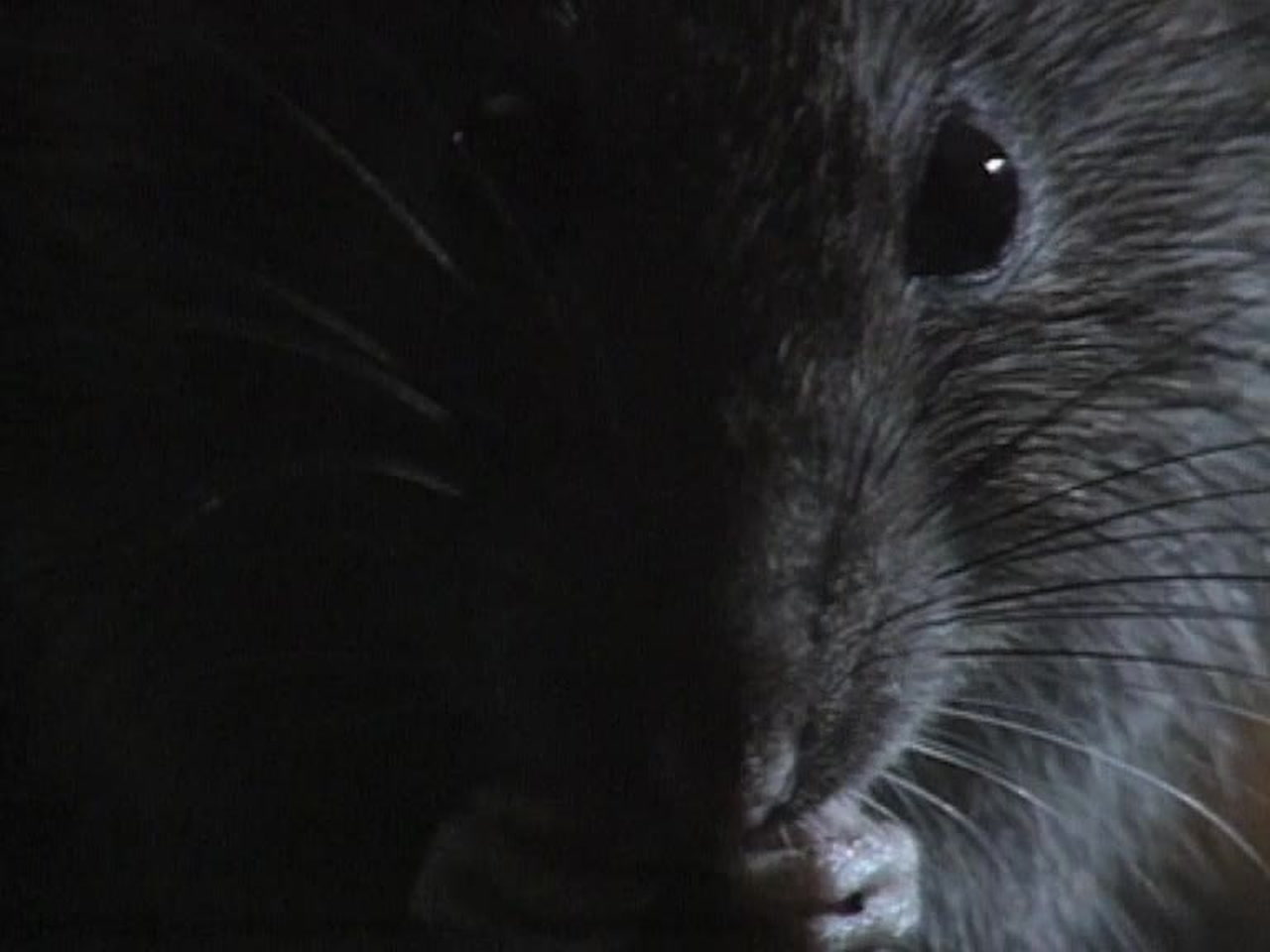
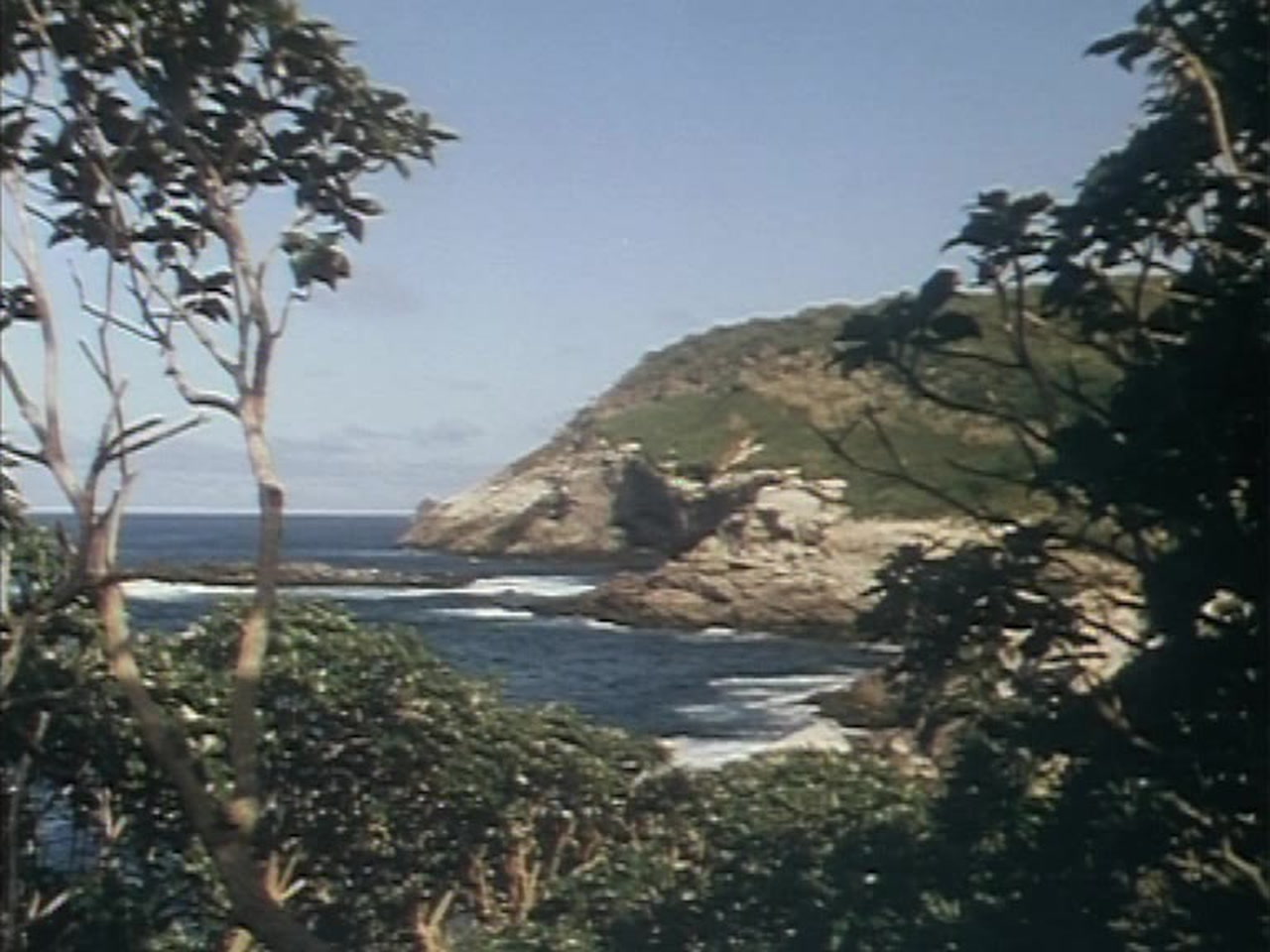
The DSIR and Department of Conservation marshalled their limited resources and chose the battleground – the island of Breaksea. Their opponent – the indomitable rate. Within 21 days they must kill every last one. This is the story of that battle....
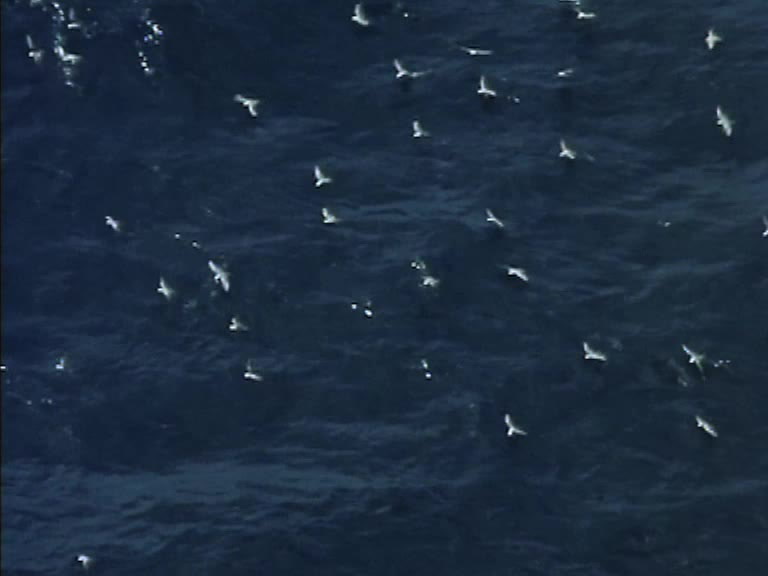
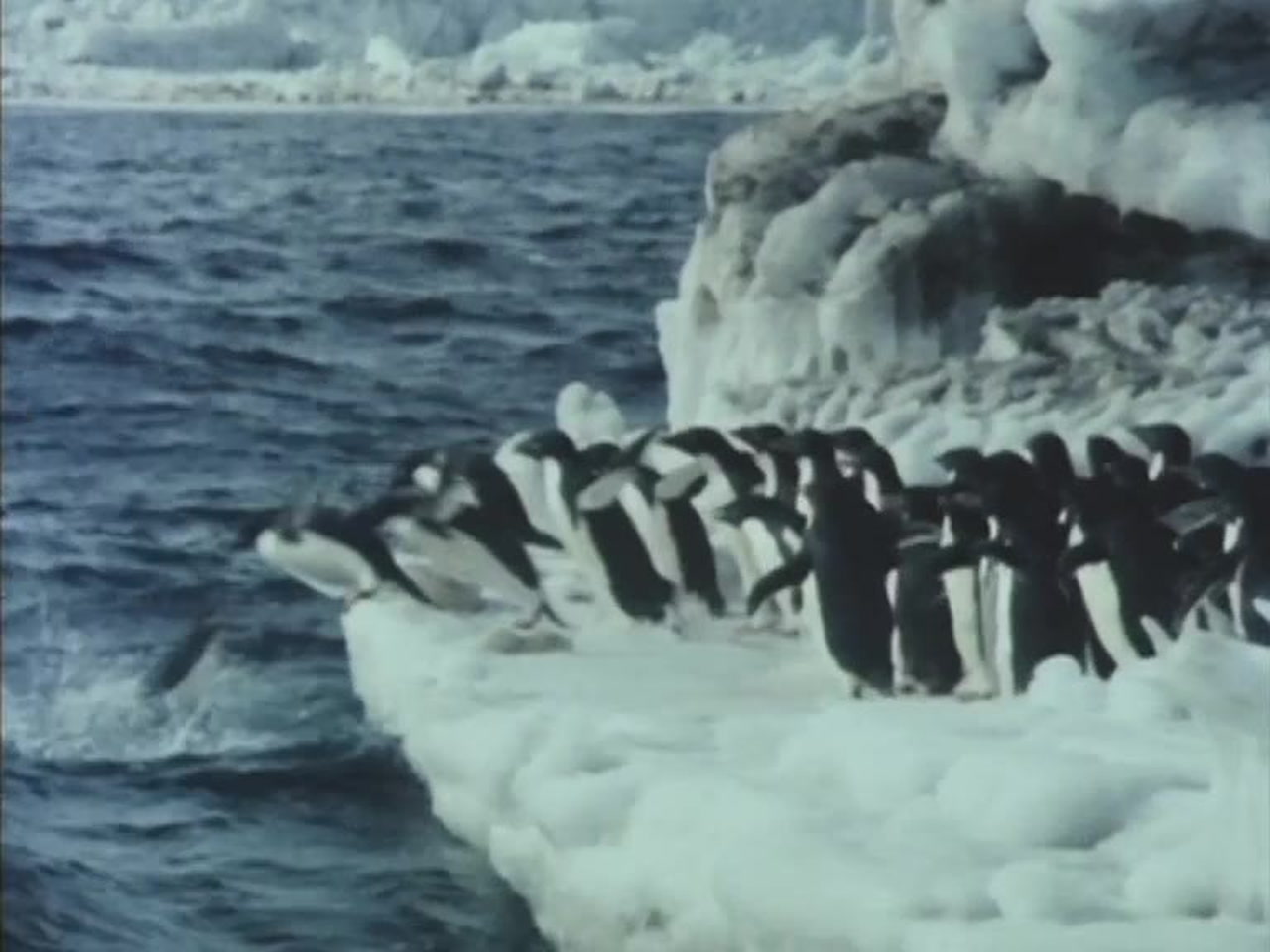
The Snares Islands, south west of Stewart Island, have managed to avoid the unwanted attention of man. Today, they provide an idyllic island home for millions of muttonbirds, thousands of penguins, and three kinds of landbird found nowhere else in the world....
Boobies, noddies, tropic-birds, parakeets and many other bird species unknown on the New Zealand mainland are now the only residents on treeless Macauley Island in the Kermadec Group. It wasn’t always the case in this little bit of the tropics belonging to New Zealand. The film moves through a day with the various nesting colonies and concludes […]...
One animal is drawn to the same tiny patch of Antarctica at the same time every year to follow a strict timetable of mating and raising its young. Along with its 50,000 neighbours and the tens of millions of these animals all round Antarctica it must obey the harsh laws of time and place....
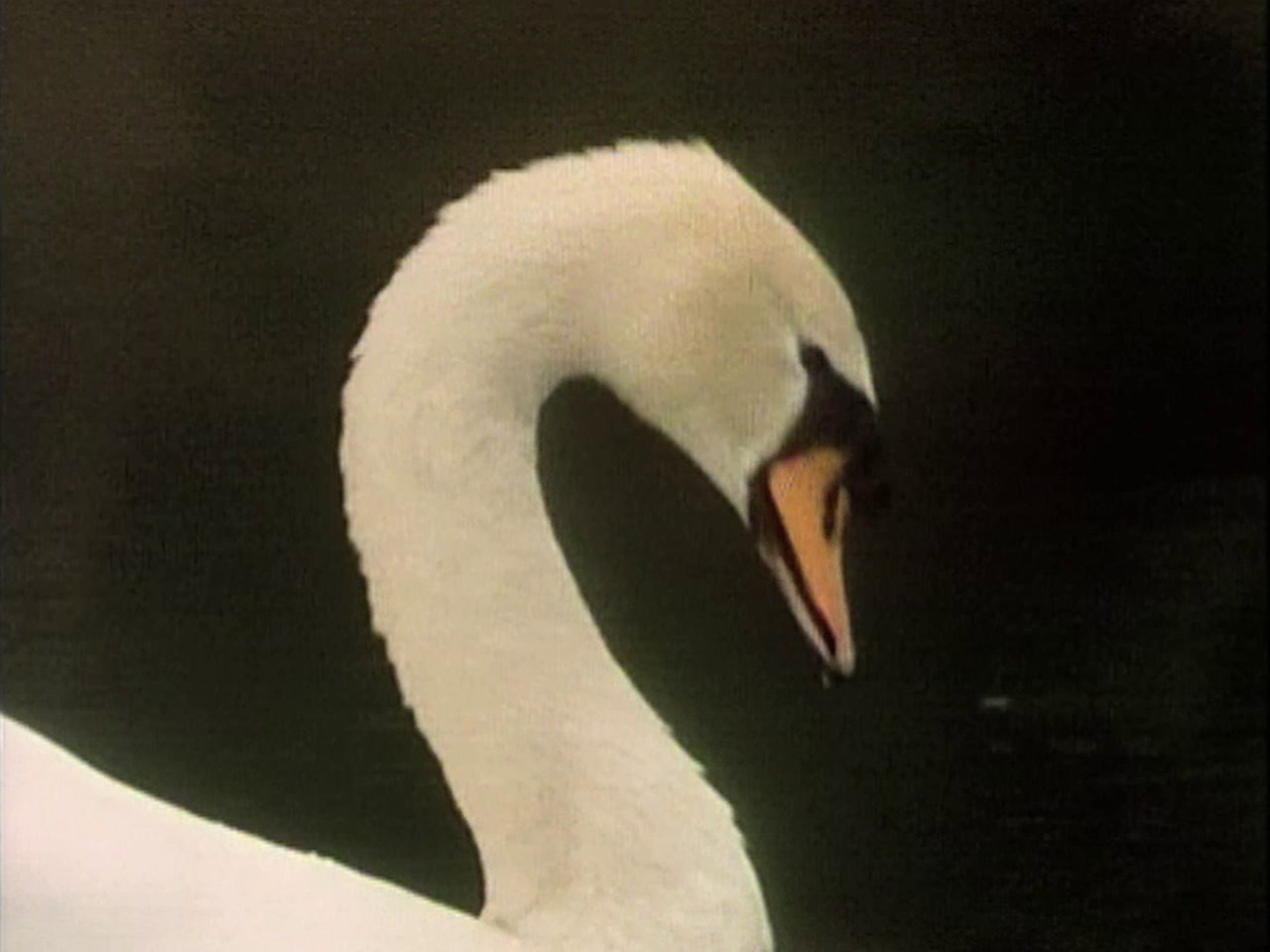
Black swans were first seen by Europeans in the seventeenth century. Before that, all black swans were mythical – and evil. Only white swans were good....
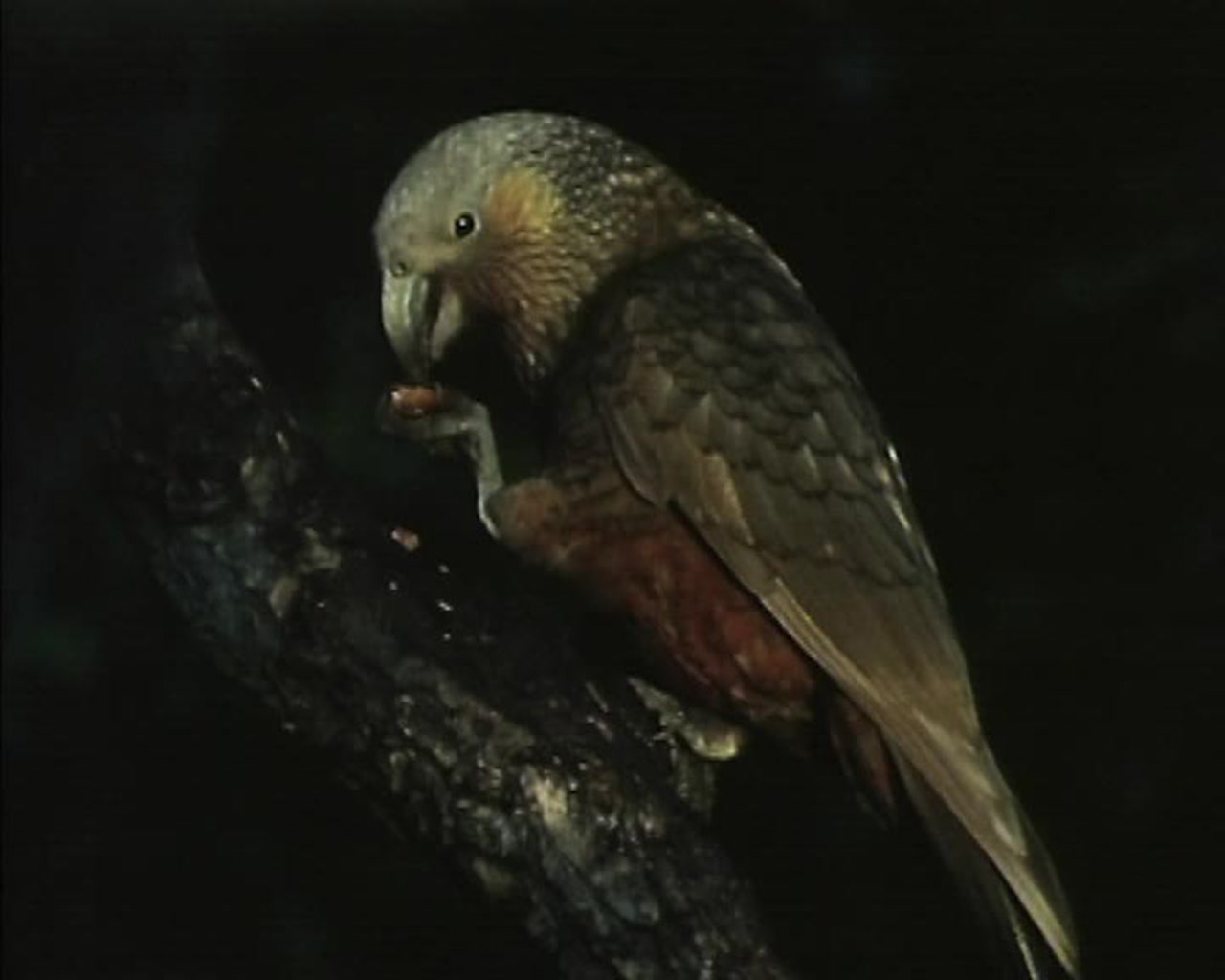
The Kakapo is an anachronism in a modern world. Large solitary and flightless, it’s a New Zealand parrot, but with a difference – a bird that sleeps by day and walks the forest floor by night. Being nocturnal the Kakapo has, until now been a bird with many secrets. Because of the difficulties in compiling […]...
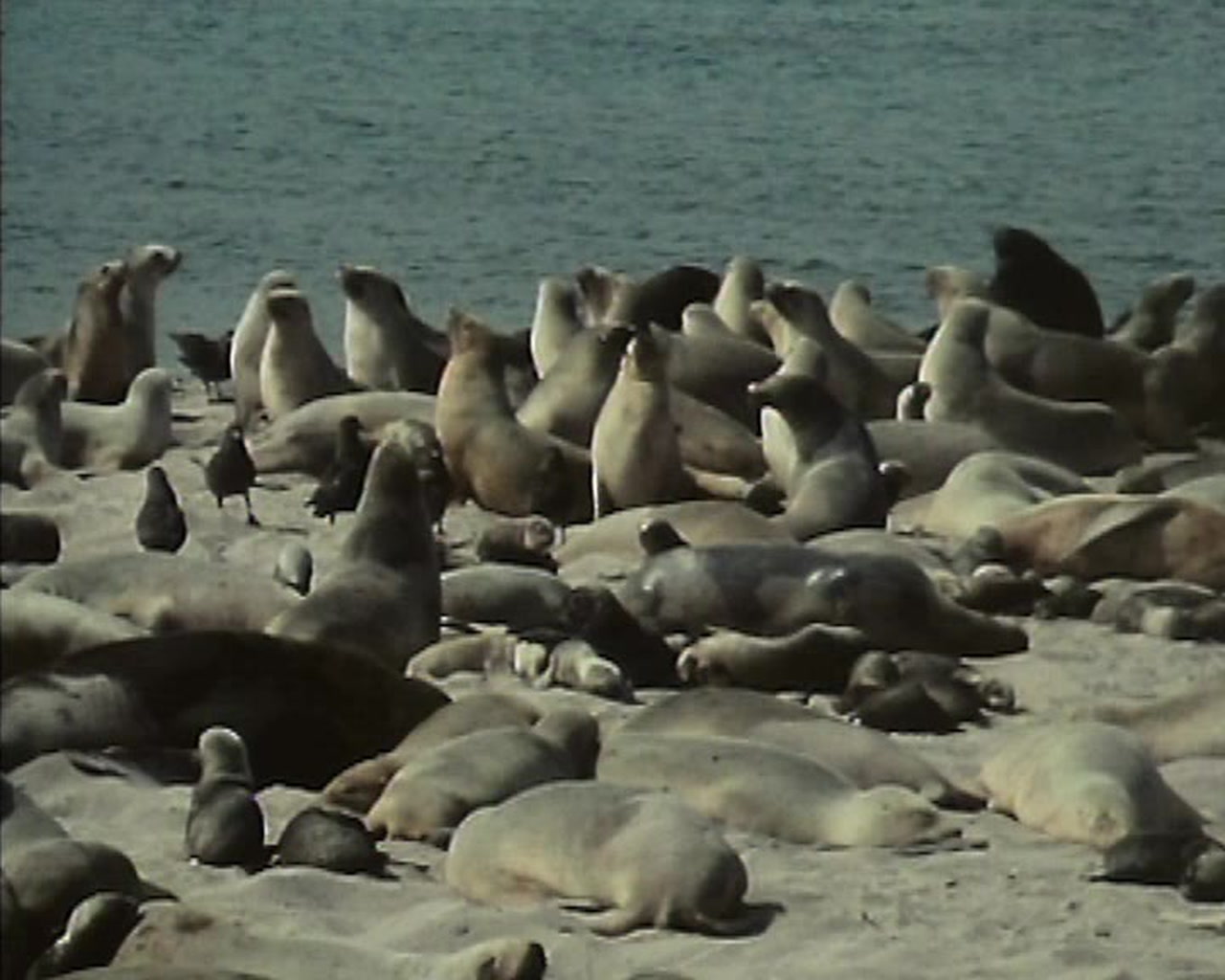
When the brief subantarctic summer comes to Enderby Island, so does a rare breed of animal: Hooker’s sea lion. Enderby is their breeding ground and breeding, for sea lions, is not a lukewarm affair....
Kapiti Island is one of the oldest wildlife sanctuaries in New Zealand. Since the 1890s it’s been a refuge for some of our unique wildlife. It’s also a workshop and resource for people working to preserve the species left to us....
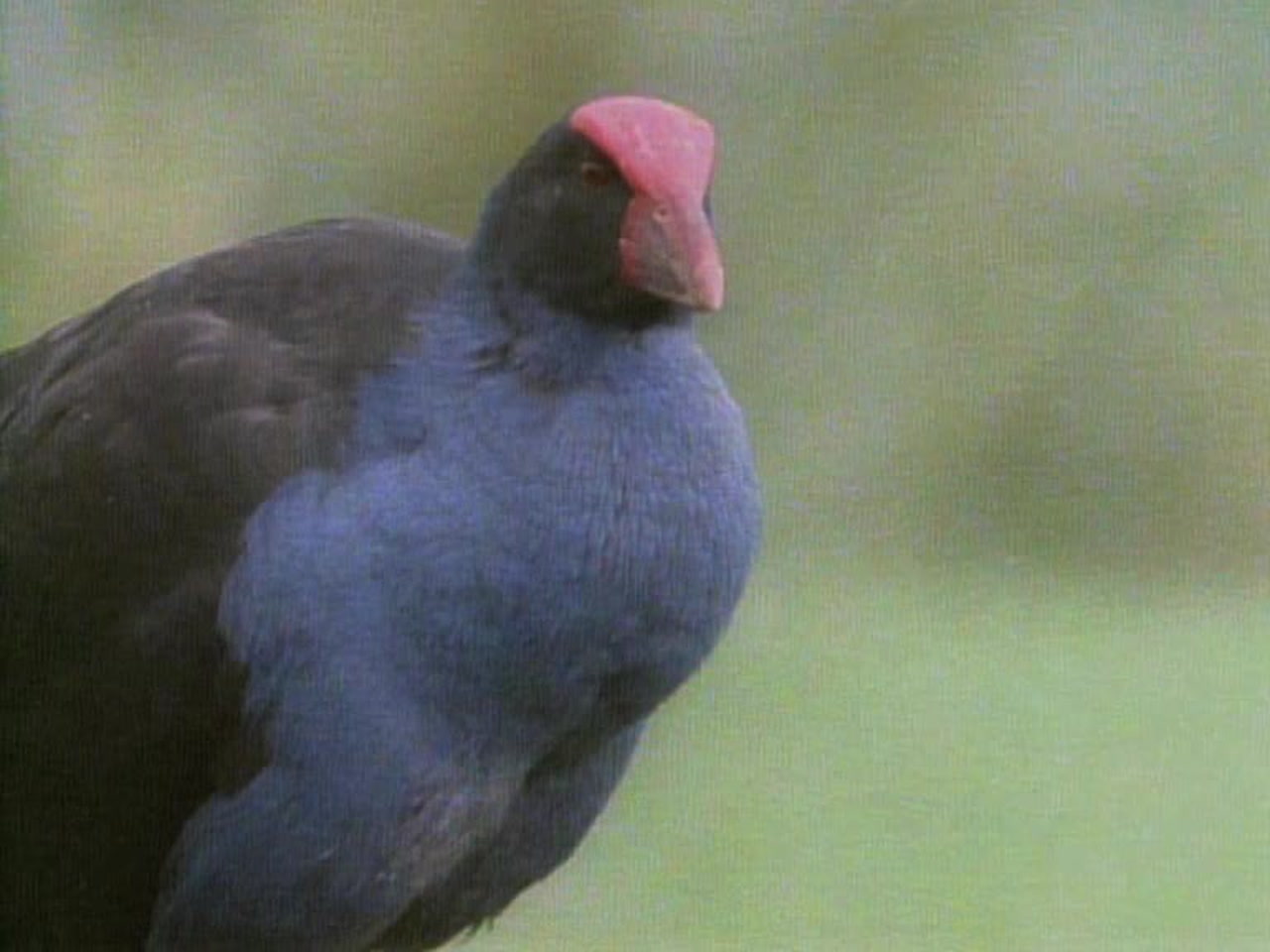
Promiscuous, incestuous and homosexual, our native swamp hen is a rather remarkable bird. At Western Springs Wetlands, deep in Auckland’s western suburbs, two families of pukeko carry on their very communal lifestyle in an entirely natural way – despite pressures from other birds, and hand-outs of stale bread and buns....
For millions of years New Zealand was a paradise – a lush green land that was home to many ancient plants and animals. But a thousand years ago the first invaders arrived, and the face of the country was changed forever. As wave after wave of invaders swept through the country the innocent natives came increasingly under […]...
Magazine
Issue 200
Jul - Aug 2026
Solar power
Horses of Huntly
Forget me not
Whaling
Red admirals
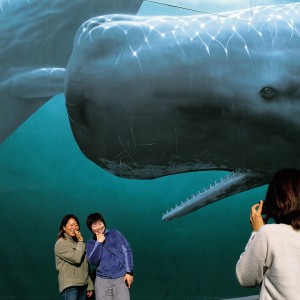
The blast of the harpoon may have given way to the click of the camera, but whales are still the cornerstone of commerce—and the subject of many a decorative mural—in the north Canterbury town of Kaikoura. In little more than a decade, marine ecotourism has transformed a coastal backwater into an international travel hotspot....
The Paparoa Track, set to open in September 2019, is the first new Great Walk in 25 years, and the first built for shared use between walkers and cyclists. Traversing the coal-rich hills between Blackball and Punakaiki, it will pay its respects to the 29 men who lost their lives in the Pike River Mine....
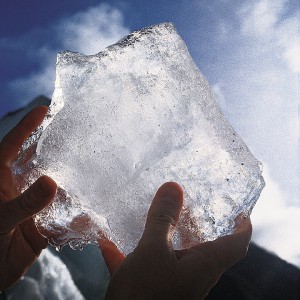
ICE. At one extreme, it is the humble cube which puts the clink in your drink on a hot summer’s afternoon. At the other, it is a major cog in the engine which drives the world’s weather. Furthermore, its behaviour over the ages may have played a pivotal role in human evolution. At the heart […]...
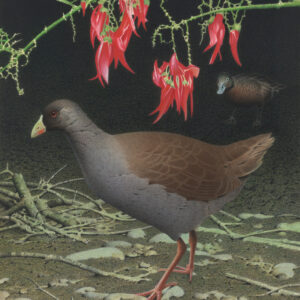
For decades, the extinct endemic bird known as the Hodgens’ Waterhen has flummoxed taxonomists—since the first fossils were found in 1955 the flightless species, which favoured swamps and grasslands, has bounced between six different genera. But mitochondrial DNA has now settled things: the bird is a gigantic crake, five times bigger than its closest living […]...