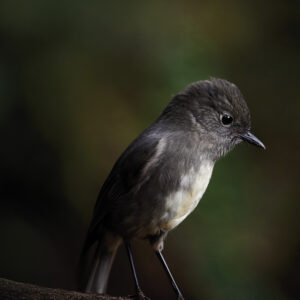
When a male South Island robin is in want of a mate, he sings. It’s not a glamorous sound, says ecologist Manaia Pearmain-Fenton. Plee plee plee / chee chee chee. Loud, plinky, like a kid picking at a keyboard. Pearmain-Fenton has whakapapa to Ngāti Hokopū, Ngāti Awa and Te Whakatōhea in the Bay of Plenty. […]...
Something strange is happening inside the Sun. In the last 40 years, the pattern of tiny sound waves produced deep beneath the surface of our star has mysteriously changed, say scientists reporting in the Monthly Notices of the Royal Astronomical Society. This solar activity fluctuates in intensity in reliable 11-year cycles, at times driving solar […]...
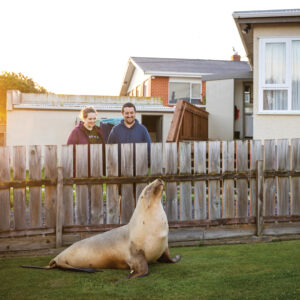
Derek Morrison photographs Dunedin’s most celebrated citizens: the dozens of sea lions making themselves at home in gardens, golf courses, and fish and chip shops....
Fifteen years after kakaruwai were brought to Dunedin’s Orokonui Ecosanctuary, a new study shows the tiny robins are doing so well that they have booked up every bit of real estate and are now kicking juveniles into the surrounding bush. Researchers counted at least 23 of the friendly birds living up to 1.5 kilometres outside […]...
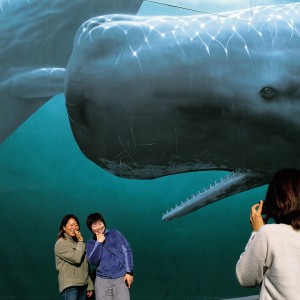
The blast of the harpoon may have given way to the click of the camera, but whales are still the cornerstone of commerce—and the subject of many a decorative mural—in the north Canterbury town of Kaikoura. In little more than a decade, marine ecotourism has transformed a coastal backwater into an international travel hotspot....
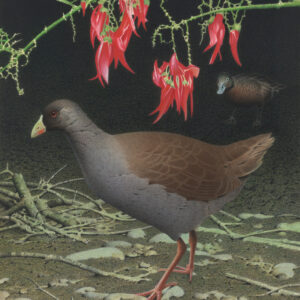
For decades, the extinct endemic bird known as the Hodgens’ Waterhen has flummoxed taxonomists—since the first fossils were found in 1955 the flightless species, which favoured swamps and grasslands, has bounced between six different genera. But mitochondrial DNA has now settled things: the bird is a gigantic crake, five times bigger than its closest living […]...