Waxing lyrical

Jacky Price had a problem, a big one. He shouldn’t have stolen those stashed seal­skins. At least, he should have never let him­self be caught doing it. Alas, it was too late and now the enraged owners of the treasure made sure he had plenty of time and space to ponder his sins. And that […]...

Model past—history in microcosm

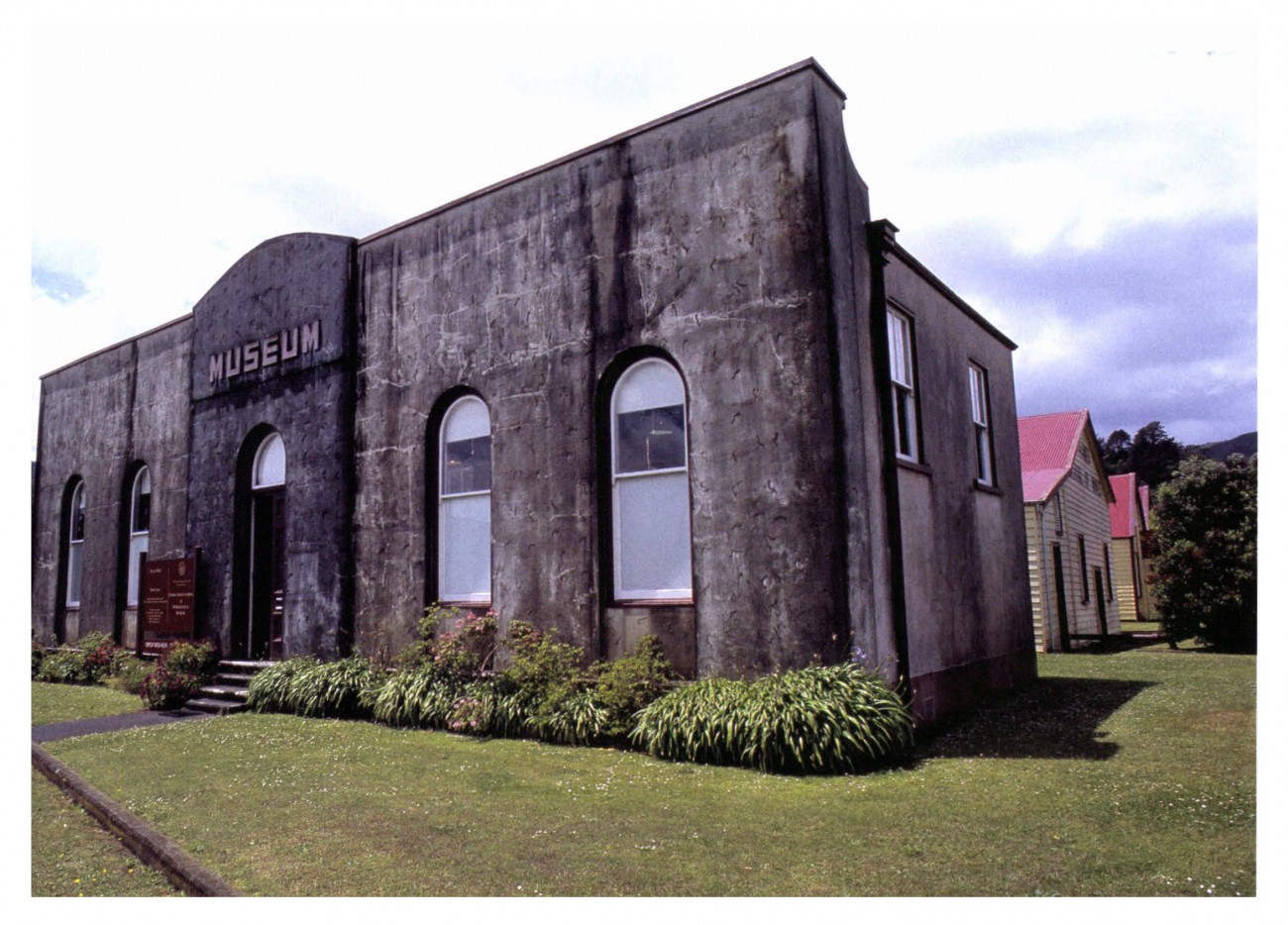
The 10-year -old Maori boy was con­spicuous by his rebellious attitude the moment he stepped off the bus. He was visiting the Tawhiti Mu­seum, on the outskirts of Hawera in south Taranaki, along with eight classes of primary school students. Within seconds, he had scrunched up the worksheet that was to steer the students through […]...

A land transformed

What would have greeted you, step­ping out of a waka 800 or so years ago? As familiar as we are with this land under our feet—its outlines and hues, sounds, aromas, the critters that share it with us—our familiarity is with a land that has undergone gross transformation in a relatively short space of time. Step […]...

Tide of history

In 1258 Hulegu Khan, great-grand­son of Genghis, sacked Baghdad, bringing to a close the Golden Age of Islam. On another battle-front, in the climax of its 70-year border conflict, the Mongol Empire van­quished the remnants of the Sung dynasty, claiming dominion over formerly prosperous China. These events occurred a century before the Incas rose to […]...

Thinking genes

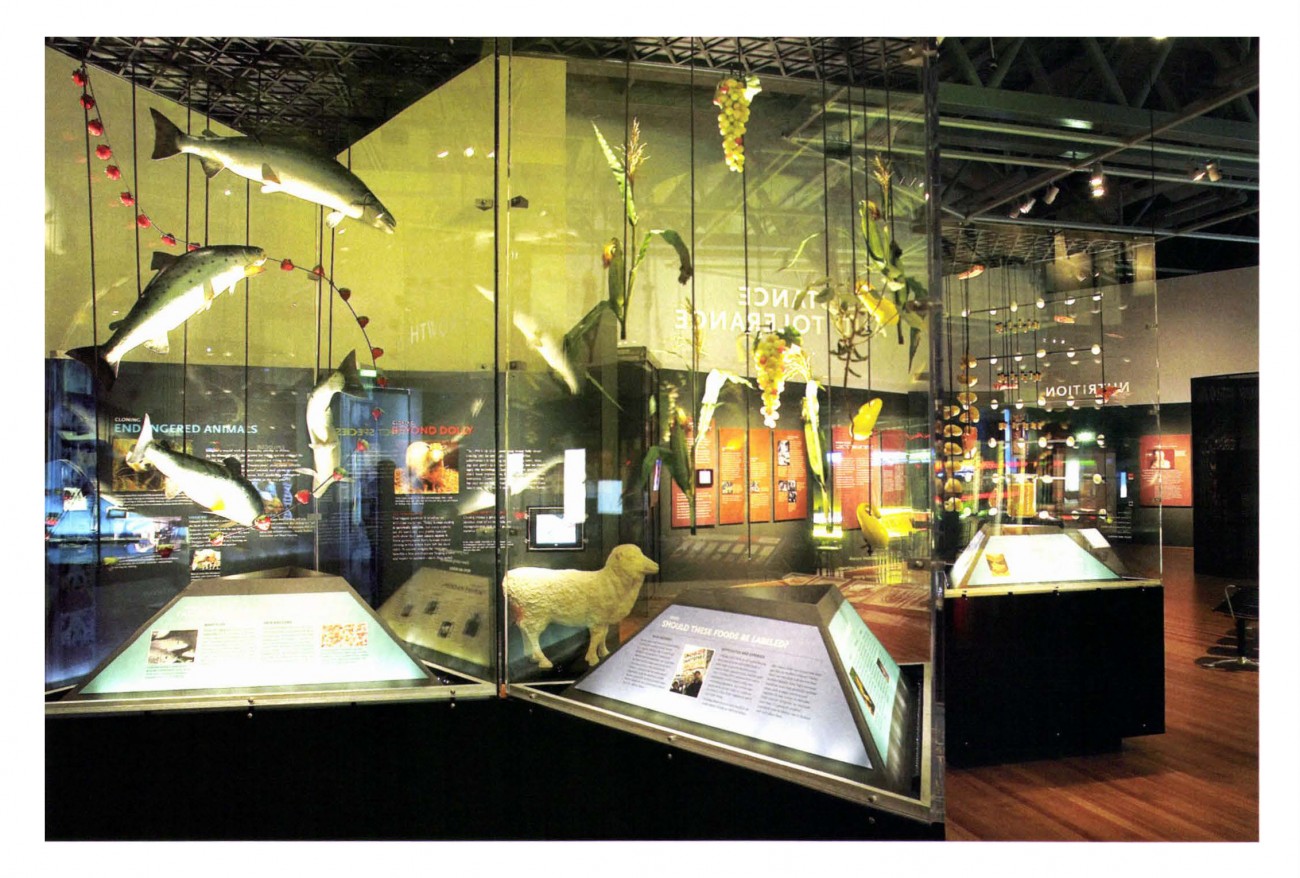
What makes for an open, enquir­ing mind? How much is down to nature, how much to nurture? Were the technology available, would you choose genes for your children that enhanced their ability to consider and weigh up challenging alterna­tives? Or genes that made it more likely they adopted a fixed outlook of your choice? Sculptural […]...

Remembering Ahab’s trade

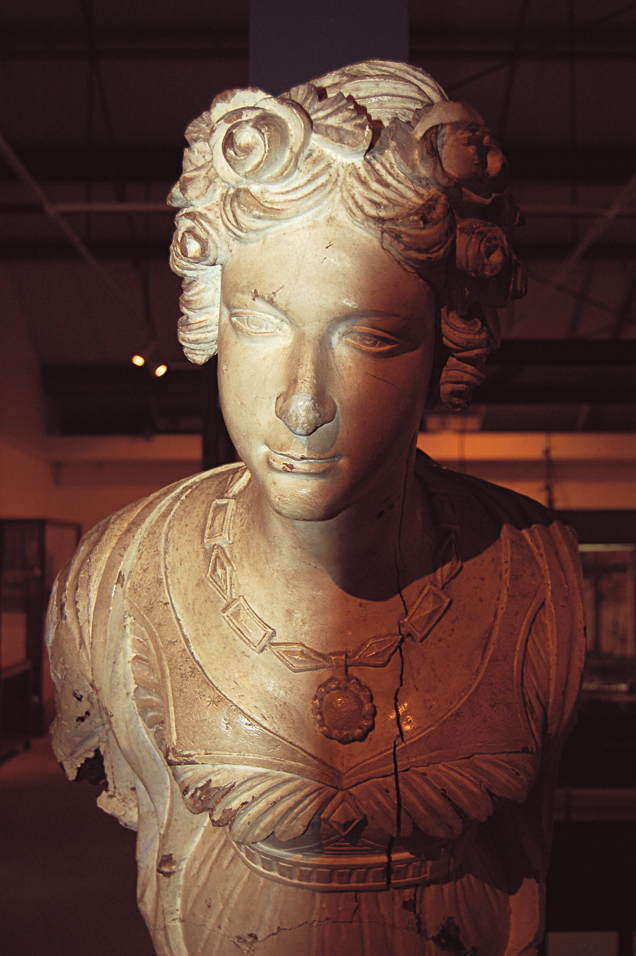
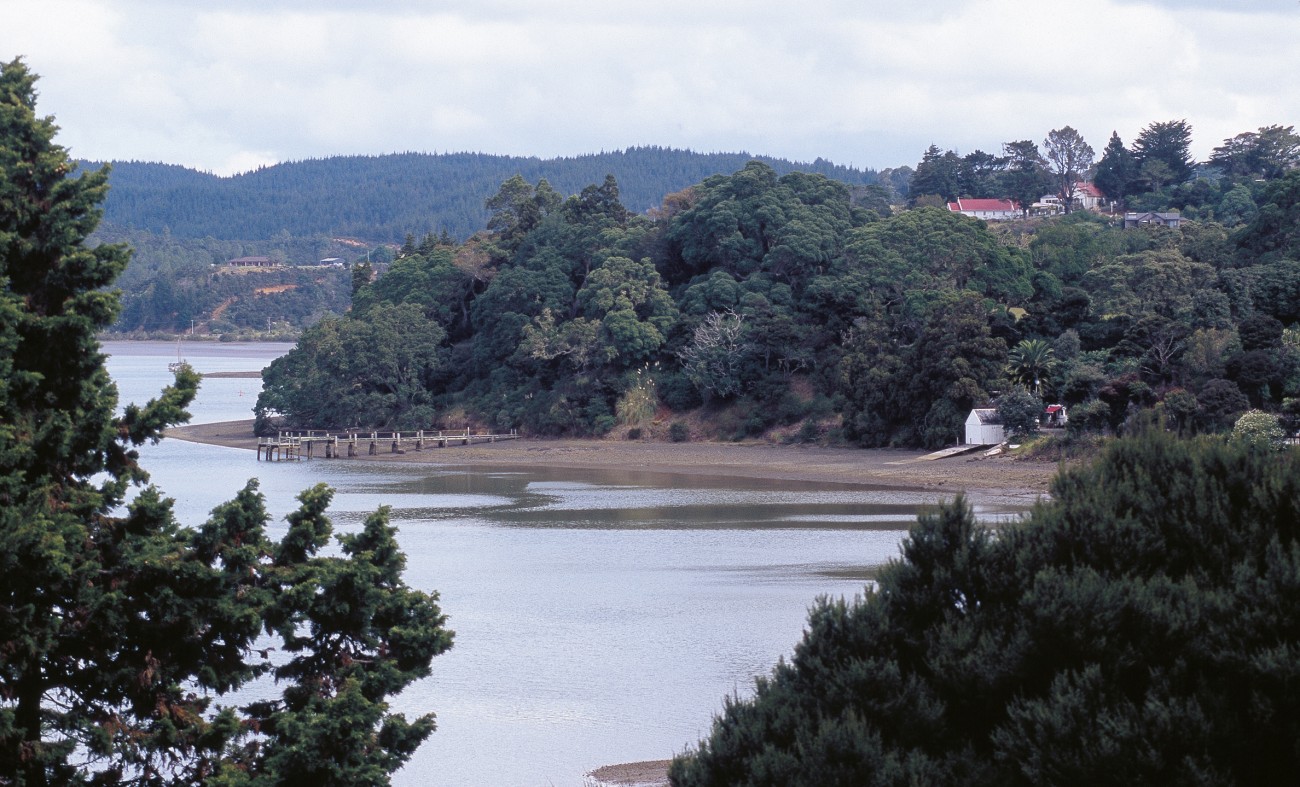
In Early August 1838 the whaling brig Nimrod, out from Sydney, arrived in the Bay of Islands with 300 barrels of oil. Nimrod’s skipper was 24-year­ old William Butler, the runaway son of a Dorset clergyman....

Wheels within wheels

Catching the train seemed the proper mode of travel for my first visit to Featherston’s Fell Locomotive Museum. The museum houses the only remaining Fell locomotive in the world. As the early-morning pas­senger train rumbled through the 8.8 km tunnel that pierces the heart of the Rimutaka Range, I realised that this very tunnel was […]...

To the centre of the earth

In the summer of 1885 William Lar­nach, the newly appointed minister of mines, boarded a steamer in Dunedin and set out for Hokitika on the first stage of a gruelling inspec­tion tour that would take in much of the South Island. By horse, by rail, on land and sea, Larnach and his party doggedly pressed […]...

Wilton Bush

Although numerous museums have disabused me of the notion that spe­cial collections have to be displayed in stodgy, poorly lit, indoor spaces, the idea of an open-air native plant museum like Otari–Wilton’s Bush, in Wellington, still intrigues me. But, when one considers that the root of the word “museum” comes from the Greek mouseios, meaning “of […]...

Naval gazing

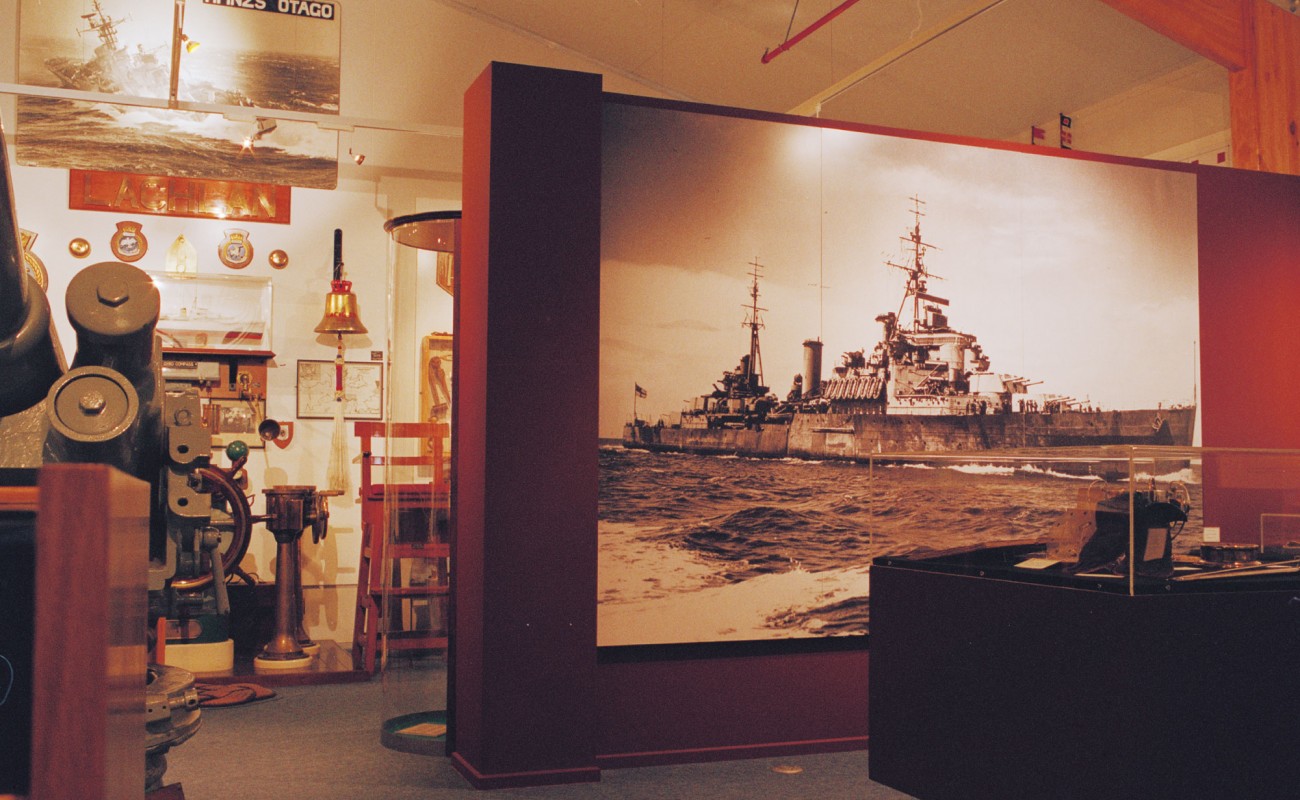
Nestled in the Heart of seaside Dev­onport, one of Auckland’s oldest suburbs, is a little museum that pays homage to New Zealand’s naval history....

Heritage alive

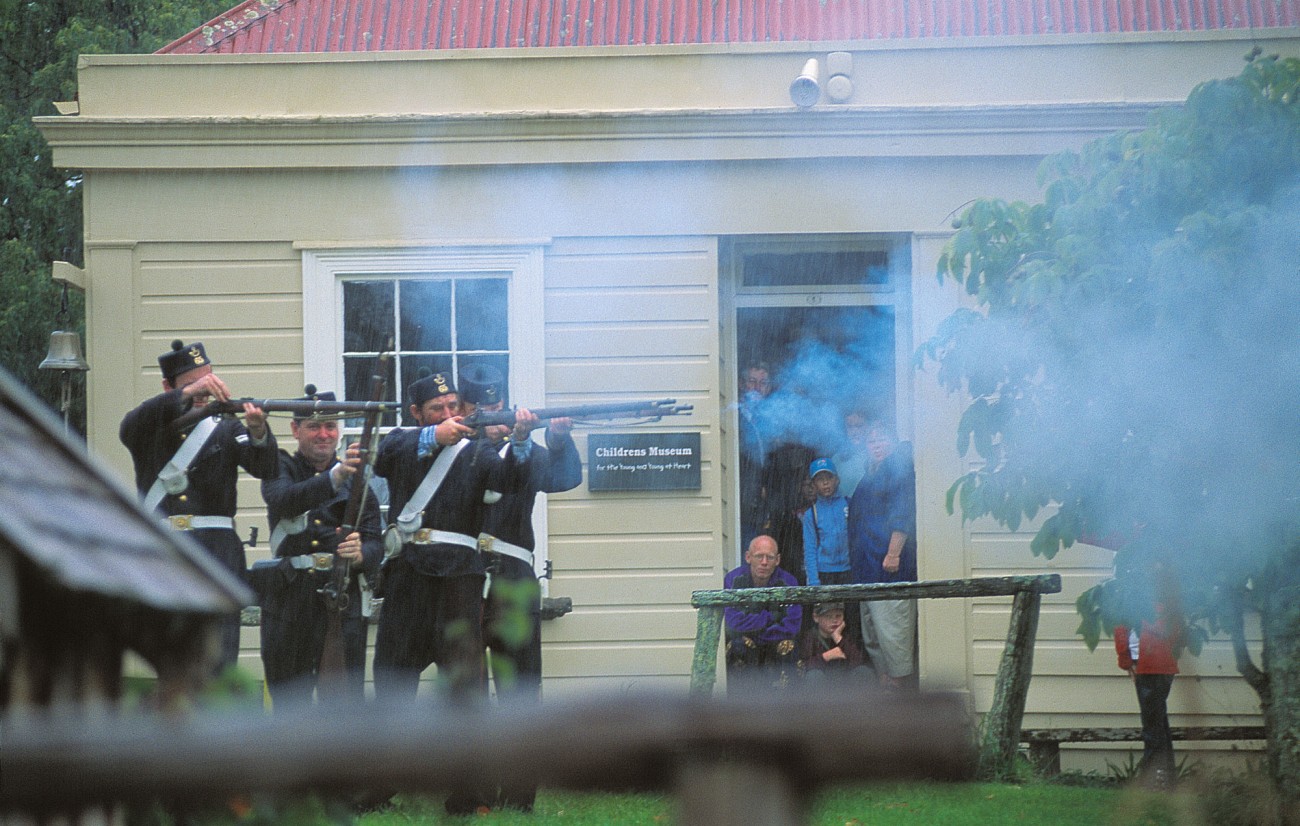
The methodist minister is declaiming before his fold—“We think of those in England, Scotland and, yes, even in Ireland, who sing the same hymns as we on this Easter Sunday. . .” —when suddenly, at our backs, there is the scuff of coarse fabric and a clatter of boots on the wooden floor. Three Red Jackets […]...

Our place in the air

A pair of boomerangs­ unassuming commas of wood—are displayed to one side of the exhibition’s entrance. Above looms the 7.2 m plywood-and­fabric wing of a glider. Opposite is the feathered pinion of one of nature’s supreme wind-riders—a southern royal albatross, Diomedes epomophora. Video screens repeat a three-minute sequence showing gliders, both diomedian and human, taking […]...

Taranaki’s treasure house

In June 2003, Puke Ariki, Taranaki’s new museum and library, opened its doors to an expectant public. The building’s striking design had already excited considerable public comment—not all of it favourable—but in a place such as this it is the content that counts, and there is plenty on offer. Three main galleries deal with history, […]...

Fire in the fern

Driving down State High­way 1 from Auckland it is easy to miss the loop road to Rangiriri, just beyond Te Kauwhata, where 140 years ago a bloody showdown took place between entrenched Waikato Maori and advancing British troops. Though the outcome was less than the outright victory British commander General Duncan Cameron had hoped for—there […]...

The rogue’s return

Beetles and plankton may dominate in nature, but natural history museums need to display some truly big animals to impress the public. At Auckland Mu­seum, one of the biggest is a male Asiatic elephant called Rajah. Rajah’s story goes back to 1930, when Auckland Zoo bought him from Hobart Zoo for 125 pounds. He was […]...

Wellington’s ‘own place’

Shipwright George Bennett was scoffed at when, after arriving in Wellington in 1848, he bought land on Windy Point. Now known as Stewart Dawson’s Corner, where pedestrians turn from Willis Street into Lambton Quay, it was then on the waterfront—a place “around which, in a tearing northerly or high sea, it was often impossible to pass, especially […]...

Troglobites and squeezes

Peter Dimond was part of history in the making. The Waitomo farmer had been in the vanguard of the explora­tion of the Hat-wood’s Hole cave system in Golden Bay—a landmark in New Zealand speleology. On the 1959-60 expedition, it had been he who blasted the final squeeze and pushed through to Starlight Cave. He was there, […]...

Dentures and detonators

“Look over here. Not many people know what these are used for,” says Richard Spark, indicating several metre-long steel augers. “Used for drilling holes in rock by hand when you have to place dynamite charges for blasting. I picked them up for $2 each. This longer one was used in limestone. And I actually found that old […]...

Fashion on the farm

If you were a close follower of the world of women’s high fashion during the 1970s and ’80s and wondered what happened to the often spectacular garments created for beauty pageants and fashion awards, wonder no more. There is a good chance they ended up in the callouSdd hands of a Central Otago farmer, now […]...

Woodworking wonders

Nose into the drive at 103 Alford Forest Road, Ashburton, past a few houses, then down a steep pitch towards the wastelands, and you will discover the Mu­seum of Woodworking and Ornamental Turning. Modest in proportions and unostentatious in the extreme, it should not to be overlooked by anyone seriously interested in woodwork. It is […]...

Magazine

Issue 200

Jul - Aug 2026

Solar power
Horses of Huntly
Forget me not
Whaling
Red admirals

Issue 200 Jul - Aug 2026

Trending

The age of fossil fuels is ending, and the world is entering the era of solar power. What matters now is how fast we make the shift....
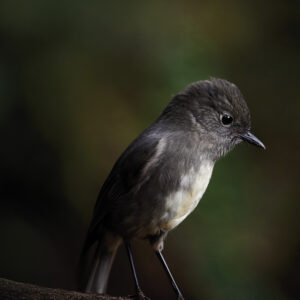
When a male South Island robin is in want of a mate, he sings. It’s not a glamorous sound, says ecologist Manaia Pearmain-Fenton. Plee plee plee / chee chee chee. Loud, plinky, like a kid picking at a keyboard. Pearmain-Fenton has whakapapa to Ngāti Hokopū, Ngāti Awa and Te Whakatōhea in the Bay of Plenty. […]...
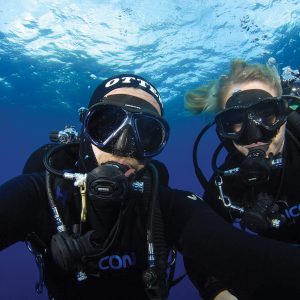
When the forecast is just right, Irene and Crispin Middleton wake up in the middle of the night and put to sea....
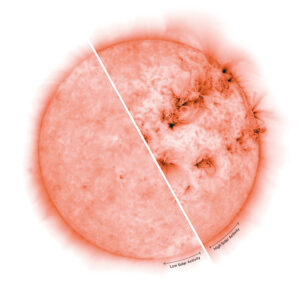
Something strange is happening inside the Sun. In the last 40 years, the pattern of tiny sound waves produced deep beneath the surface of our star has mysteriously changed, say scientists reporting in the Monthly Notices of the Royal Astronomical Society. This solar activity fluctuates in intensity in reliable 11-year cycles, at times driving solar […]...
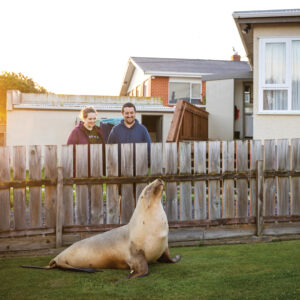
Derek Morrison photographs Dunedin’s most celebrated citizens: the dozens of sea lions making themselves at home in gardens, golf courses, and fish and chip shops....
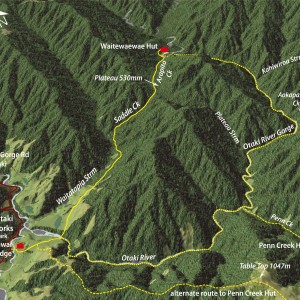
Tararua Forest Park, 2 days...
Fifteen years after kakaruwai were brought to Dunedin’s Orokonui Ecosanctuary, a new study shows the tiny robins are doing so well that they have booked up every bit of real estate and are now kicking juveniles into the surrounding bush. Researchers counted at least 23 of the friendly birds living up to 1.5 kilometres outside […]...
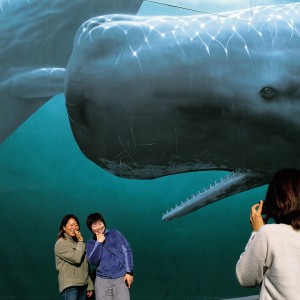
The blast of the harpoon may have given way to the click of the camera, but whales are still the cornerstone of commerce—and the subject of many a decorative mural—in the north Canterbury town of Kaikoura. In little more than a decade, marine ecotourism has transformed a coastal backwater into an international travel hotspot....
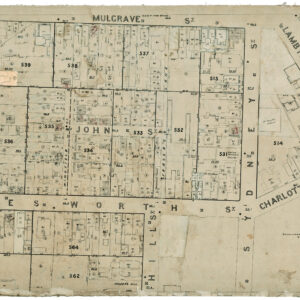
In 1889, Thomas Ward proposed something unique for the capital city: a really, really, really good map....
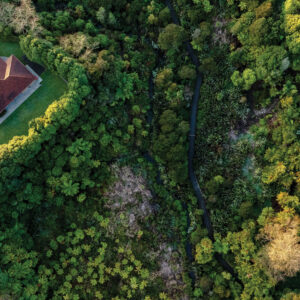
A story that proves we can change the world, one manky strip of city at a time....

Archive

×

Subscribe to our free newsletter for news and prizes