On these bleak winter days, few varieties of shell survive the white wrath of New Zealand’s West Coast. However, one that is commonly picked out from among the wrack and foam is the delicately coiled ram’s horn, Spirula spirula—an object that has a number of claims on our interest. Although the shell is common on […]...
In March of this year, a special courier arrived in Wellington from France carrying a rather unimposing stuffed lizard for display at the National Museum. This specimen described by one commentator as “the most important visitor to New Zealand in 1990 after the Royal family” — was the centrepiece in an exhibition of New Zealand […]...
Ever since 1609, when Galileo pointed his rickety “spy glass” at the heavens and made discoveries that turned the scientific world upside down, people have been star-gazing with the help of ever bigger and better instruments. To see more, the most obvious solution is to increase the size of the telescope. By doing so, we collect […]...
Millions of blossoms blew like snow through the orchards of Taranaki when the southeast gales struck on the morning of 23 November last year. The resulting loss to the fruit crop was estimated to be hundreds of thousands of dollars. The force of the wind was comparable to the southeast gales experienced in Taranaki during […]...
New Zealand’s sesquicentennial year is as good a time as any to think about the origin of our name. We could wonder why a group of Polynesian islands, occupied by the Maori, rediscovered by the Dutch, coveted by the French and colonised by the British should be called after a minor Dutch maritime province. We […]...
Found nowhere else in the world, Dactylanthus taylorii, the “wood rose”, is a parasitic plant that lives underground, wrapped around the roots of native trees. Inside the swollen stem of the plant a wonderful transformation occurs, resulting in an elegant “flower” made solely of wood....
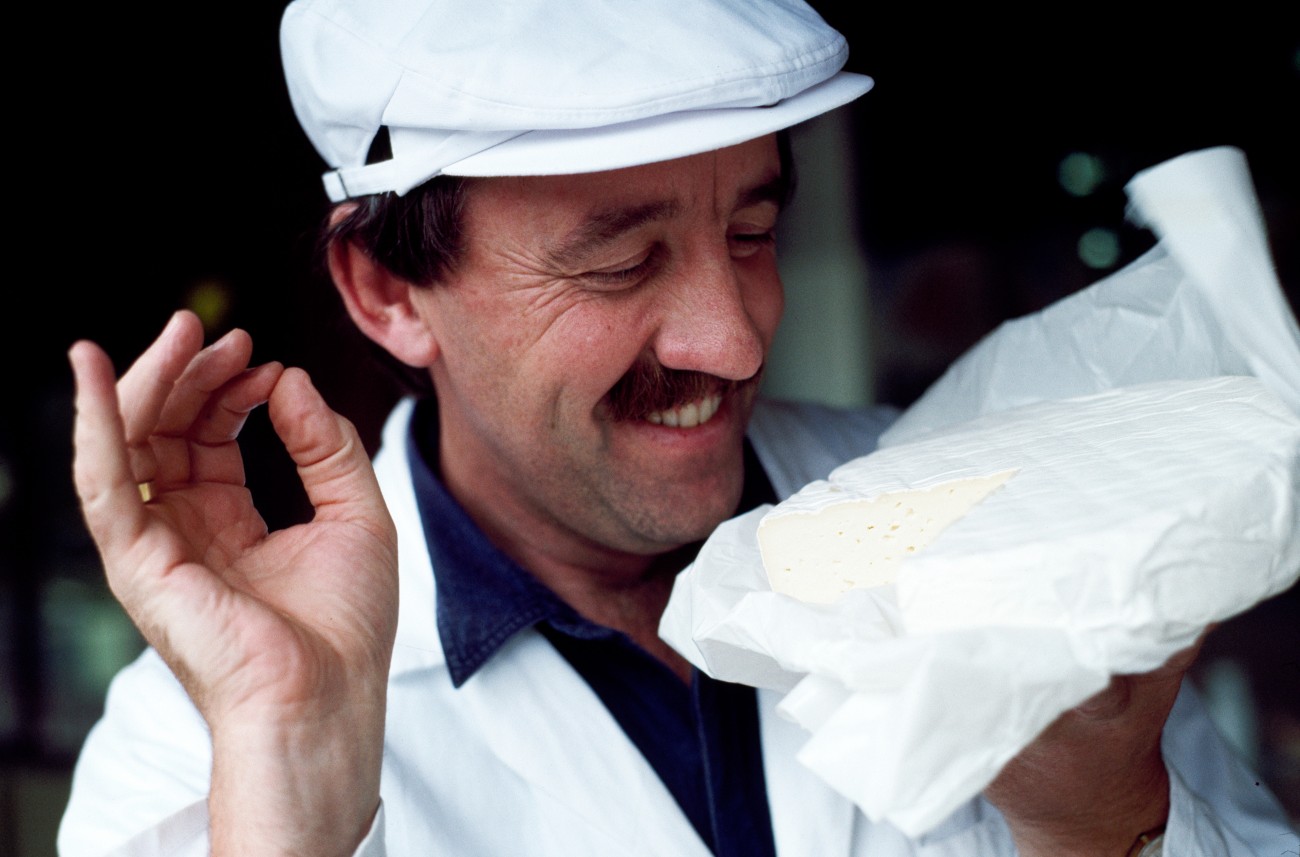
It is remarkable that the coagulated solids of just one product — milk — should be capable of producing so many different flavours, textures and colours. David Burton takes a close look at one of the world’s favourite foods....
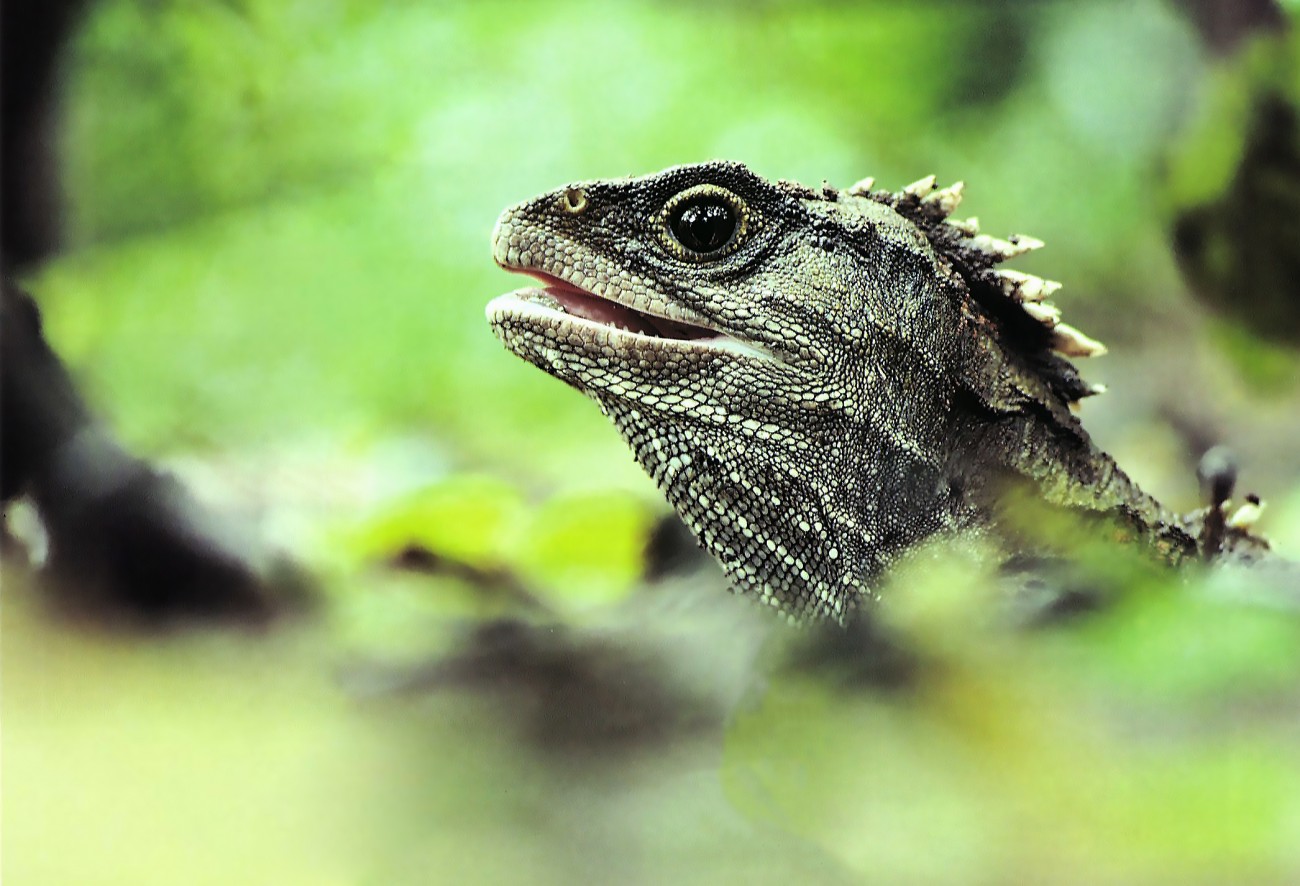
Two hundred and twenty-five million years ago — about the time the first dinosaurs arrived on the scene — the ancestors of the tuatara were roaming the world. Now, 65 million years after the last Tyrannosaurus bit the dust, tuatara are still here, little changed from their ancient predecessors. But how much longer can they survive […]...
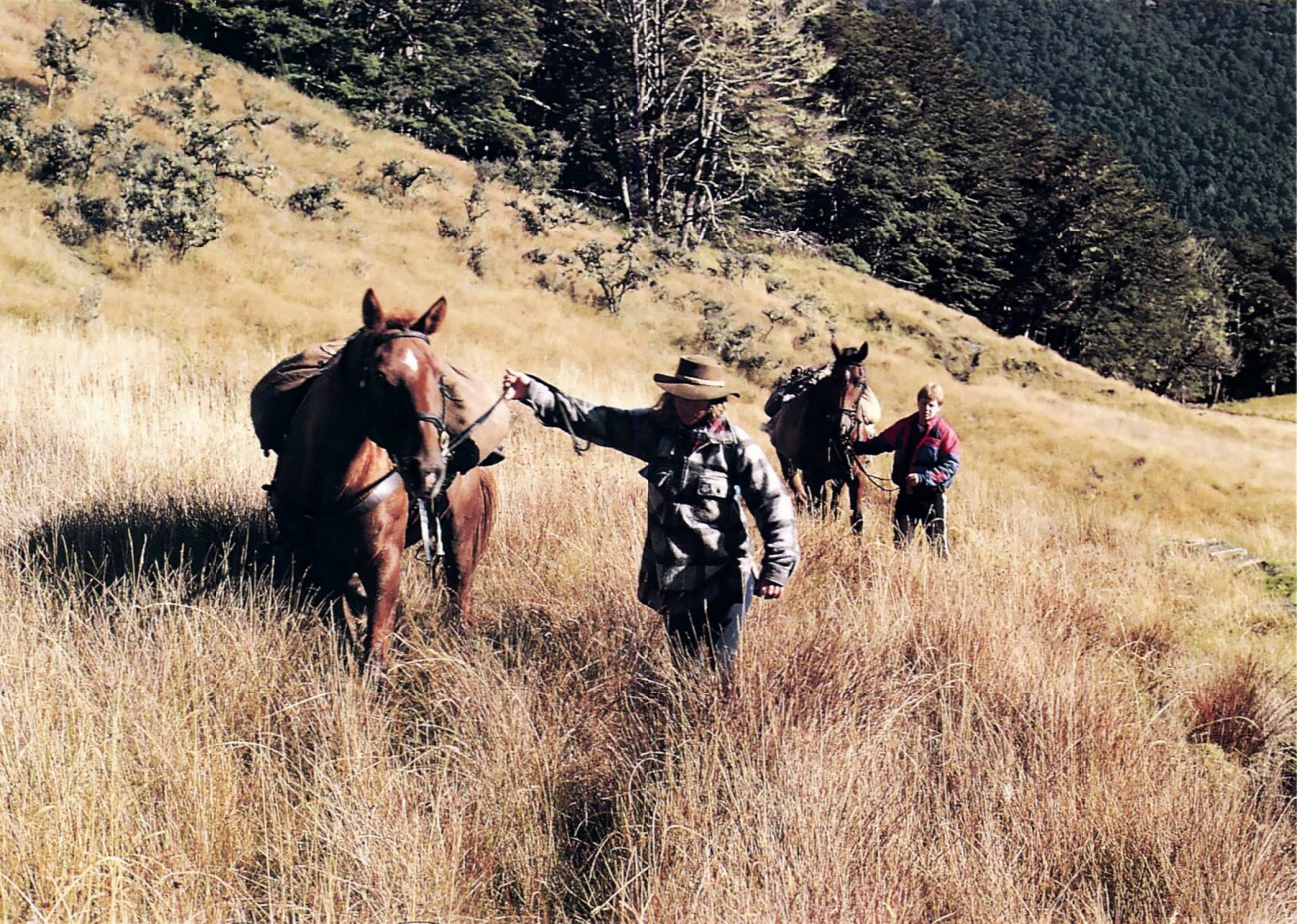
In 1857, explorer Leonard Harper became the first European to cross the Southern Alps. Retracing his route on horseback, three adventurers relived his pioneering journey— in ways they could not have foreseen!...
As a showcase for New Zealand’s native timbers, the works of two little-known Auckland cabinet-makers are unsurpassed....