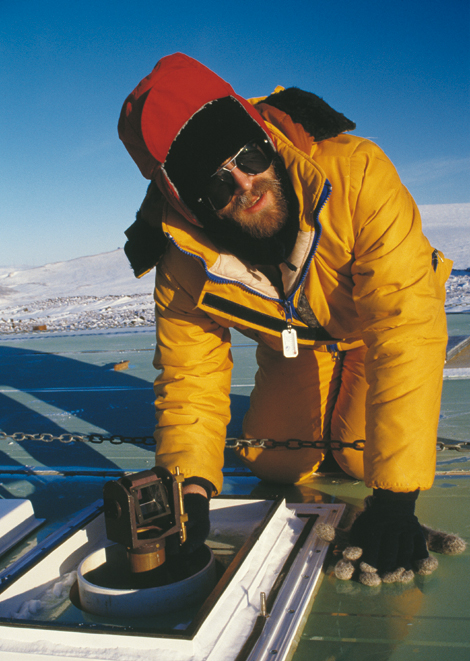
It is a clear day in Antarctica, and out in front of the low, green, coolstore-like buildings of Scott Base on the shores of the frozen Ross Sea three men are struggling with what looks like a large tripod on the back of a trailer. The device is actually a portable drill, and the trio is […]...
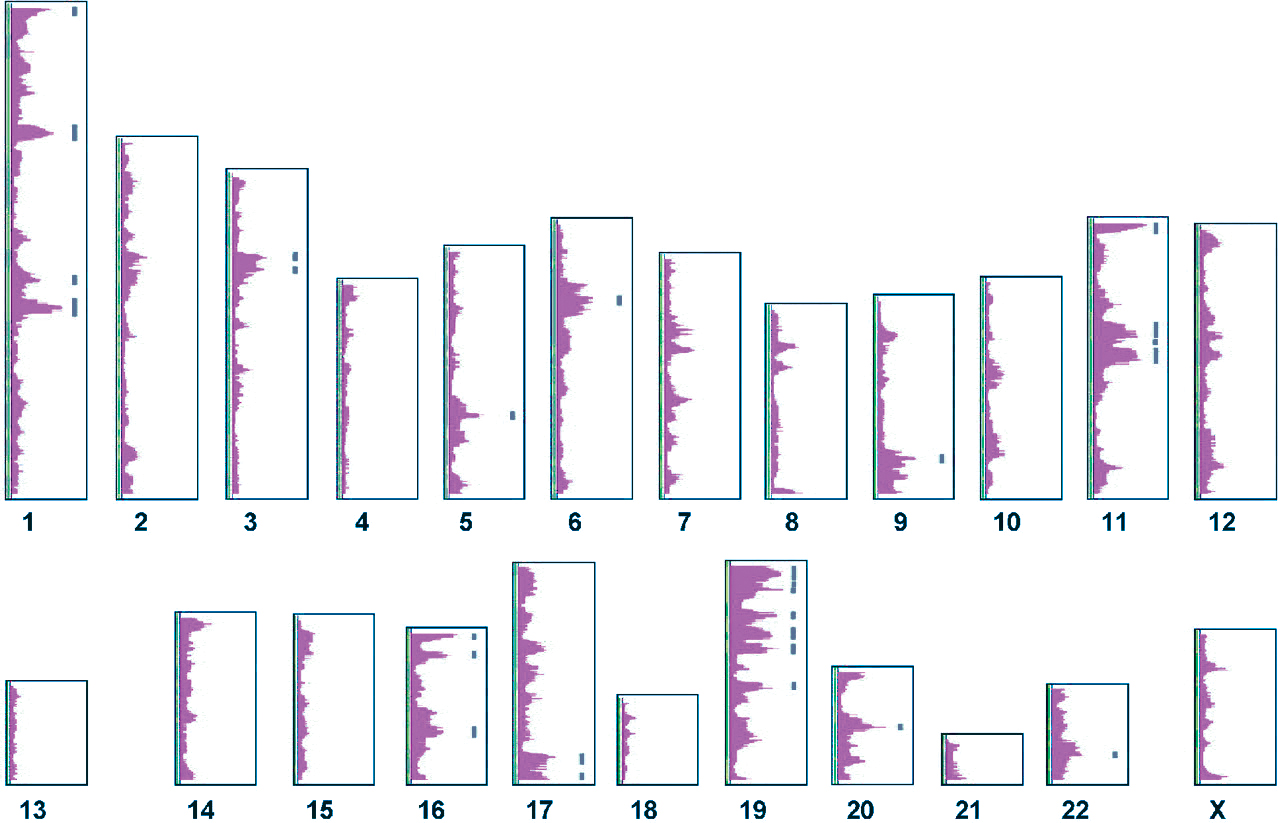
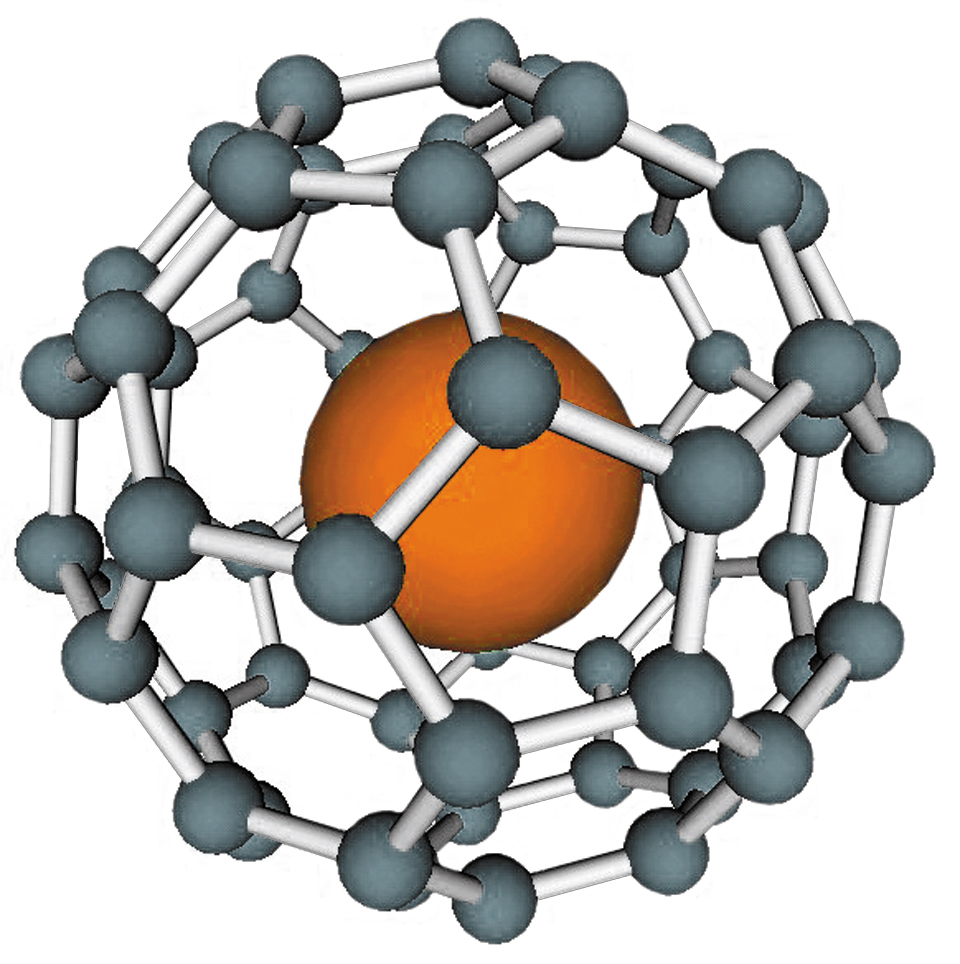
In February 2001, initial results from the human genome sequencing project—the largest and most complex project ever undertaken in the field of biology—were published to an international media fanfare. Over the years, physicists have spent trillions of dollars on telescopes, underground particle accelerators, fusion reactors and more—all vast undertakings involving many collaborating groups of scientists and […]...
A stonefield containing evidence of 1000 years of Maori and Pakeha horticultural, agricultural and social history has been made a reserve in South Auckland. Auckland once had more than 8000 ha of such stonefields, established by Maori as horticultural settlements around the isthmus’s numerous volcanic cones, among rocks formed from lava flows. Now less than […]...
The news from the predator front isn’t all bad. Where careful management permits, small but significant battles are being won....
In March 2000, we reported that a “beech mast” event—in which large areas of South Island beech forest flowered and set seed—had led to plagues of rodents in spring and a boom in stoat numbers during the 1999/2000 summer, with dire consequences for native wildlife (see GeoNews, Issue 46). The problem has recurred over the […]...
In 1834, the Englishman William Swainson was at the height of his scientific career. Aged 45, loaded with honours from the scientific academies and institutions of Paris, Quebec, South Africa, Philadelphia and Bermuda, a fellow of the British Royal Society and the prestigious Linnean Society and vice-president of the London Zoo and the British Ornithological Society, Swainson confidently looked […]...
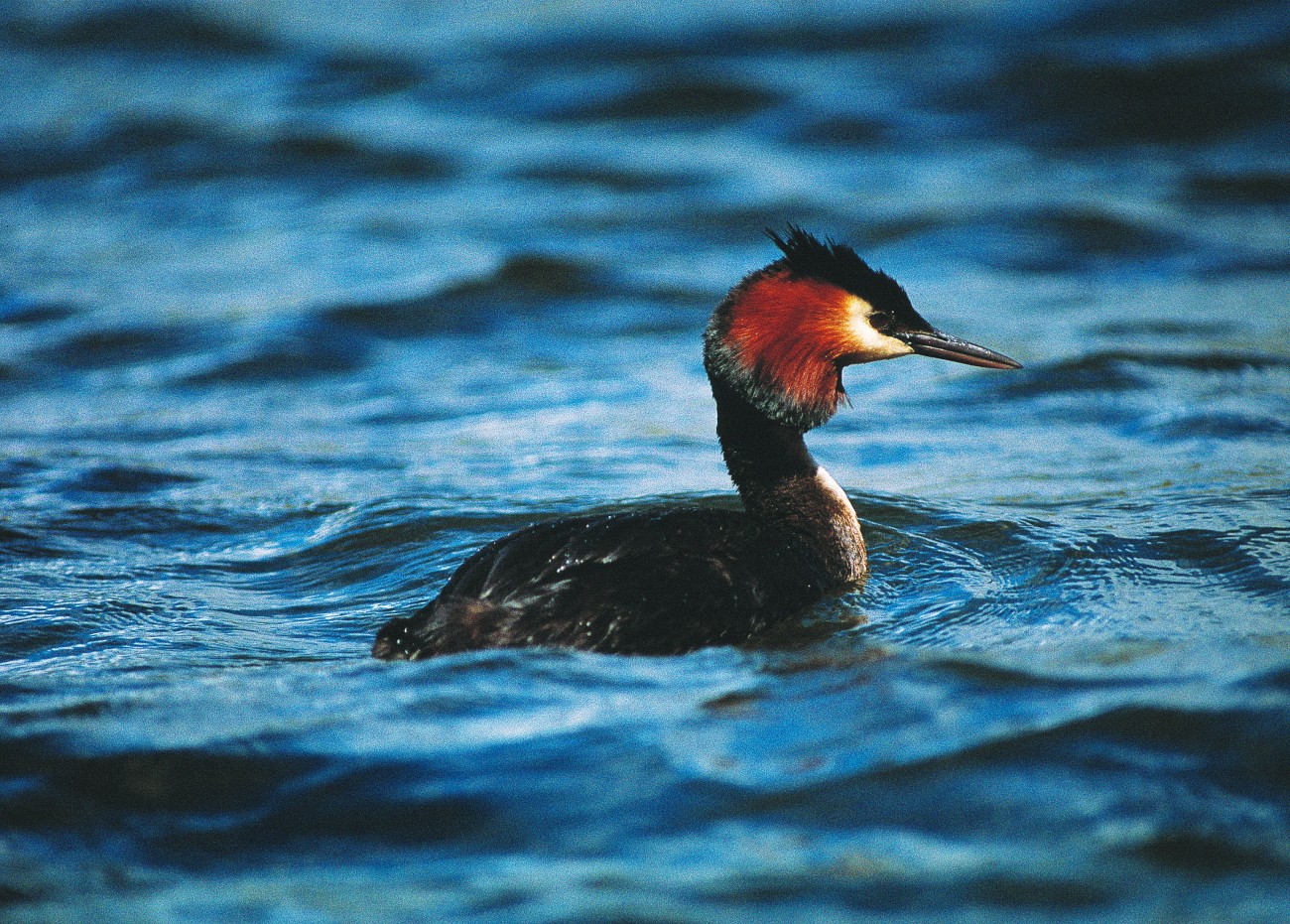
Grebes are an ancient group of diving birds, quite unrelated to ducks and swans. The southern, or Australasian, crested grebe is one of New Zealand’s least known aquatic birds, a secretive but handsome swimmer most likely encountered on secluded lakes in inland Canterbury....
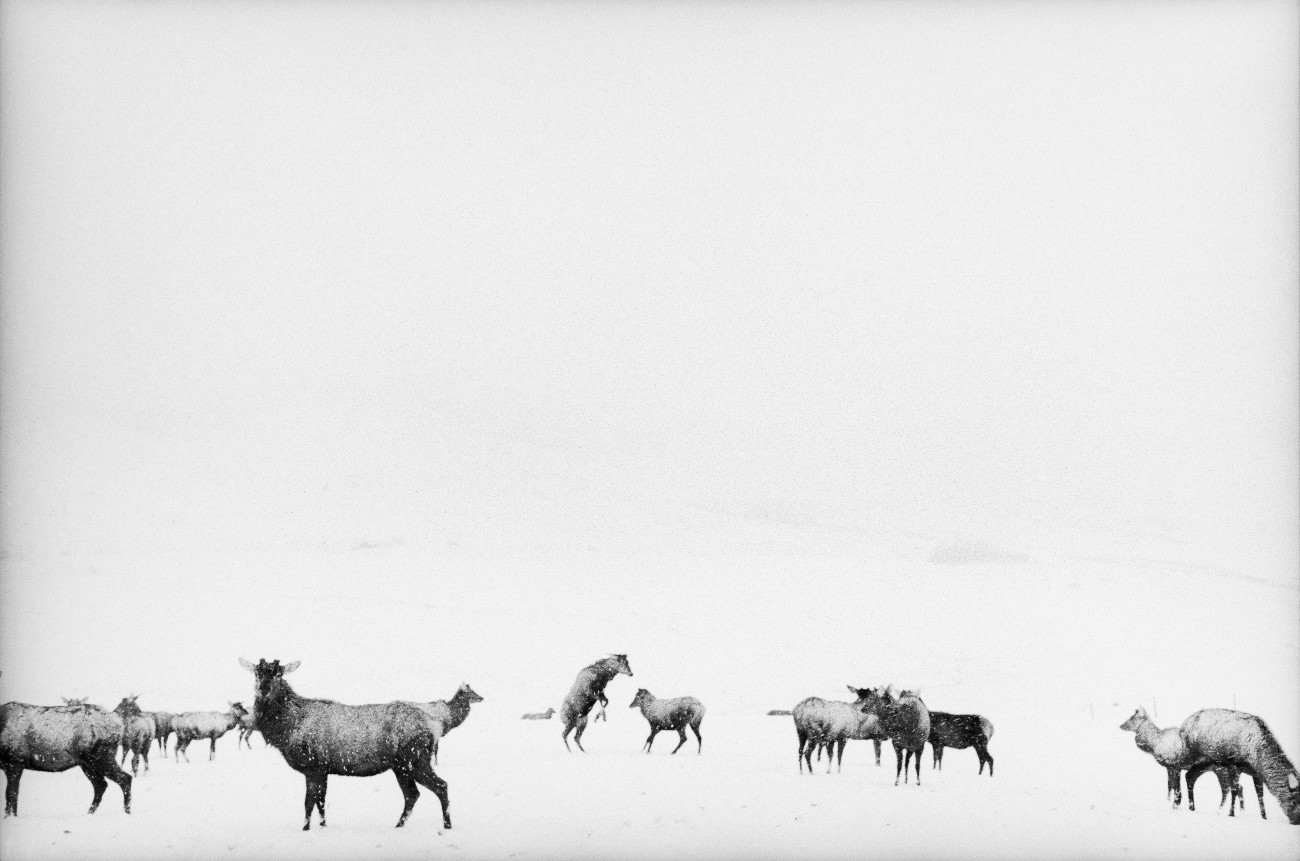
Red deer linger in the snow, some grumpily, waiting for Glenary Station’s deer manager, Dave Little, to feed out hay. A mean wind whips through the afternoon gloom, at once unpleasant and exhilarating. This is a place of hardship, and of wonder....
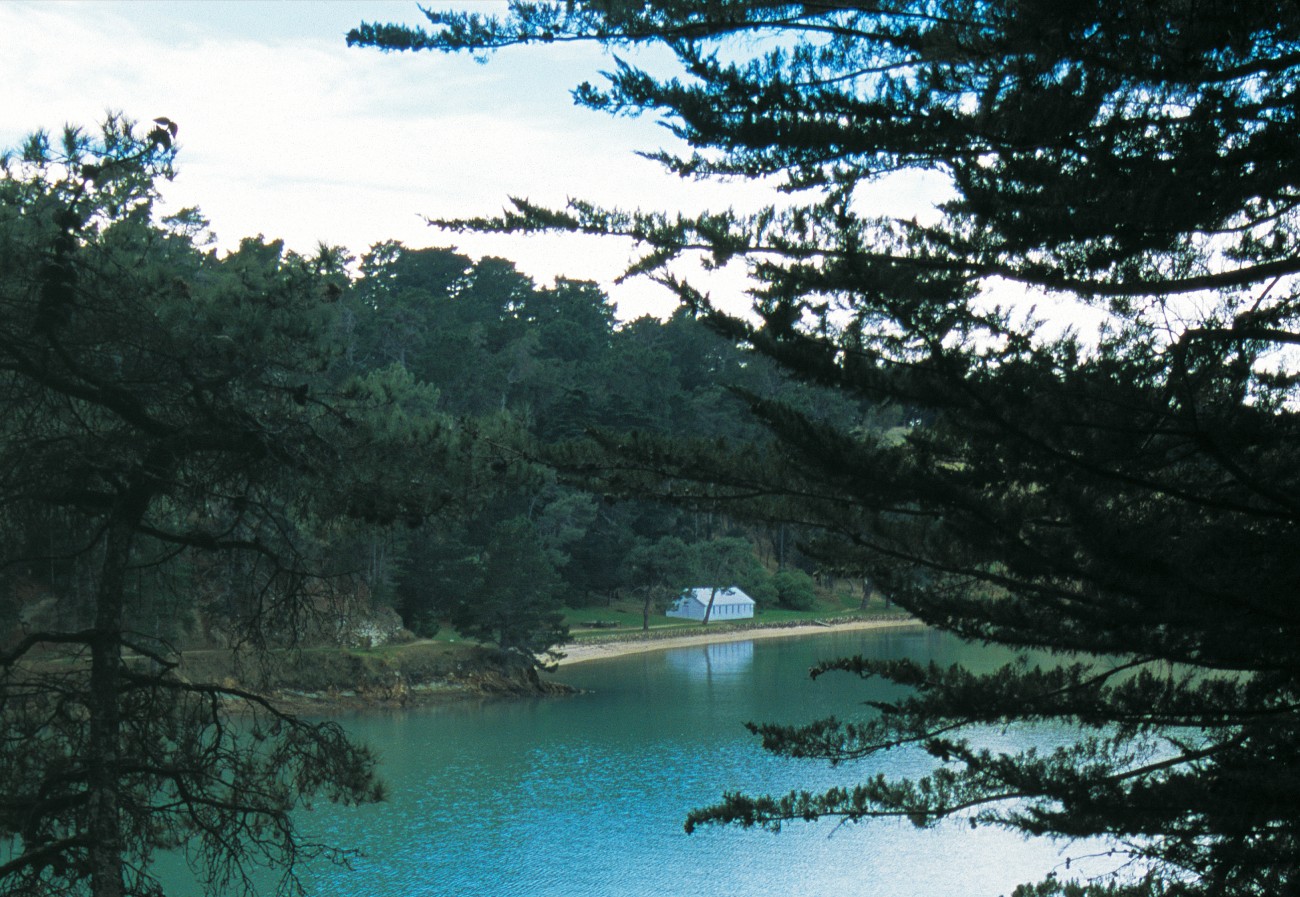
Today, Quail Island, in Lyttelton Harbour, is popular in a quiet sort of way with those visitors who like walking gentle tracks or picnicking on sheltered beaches....
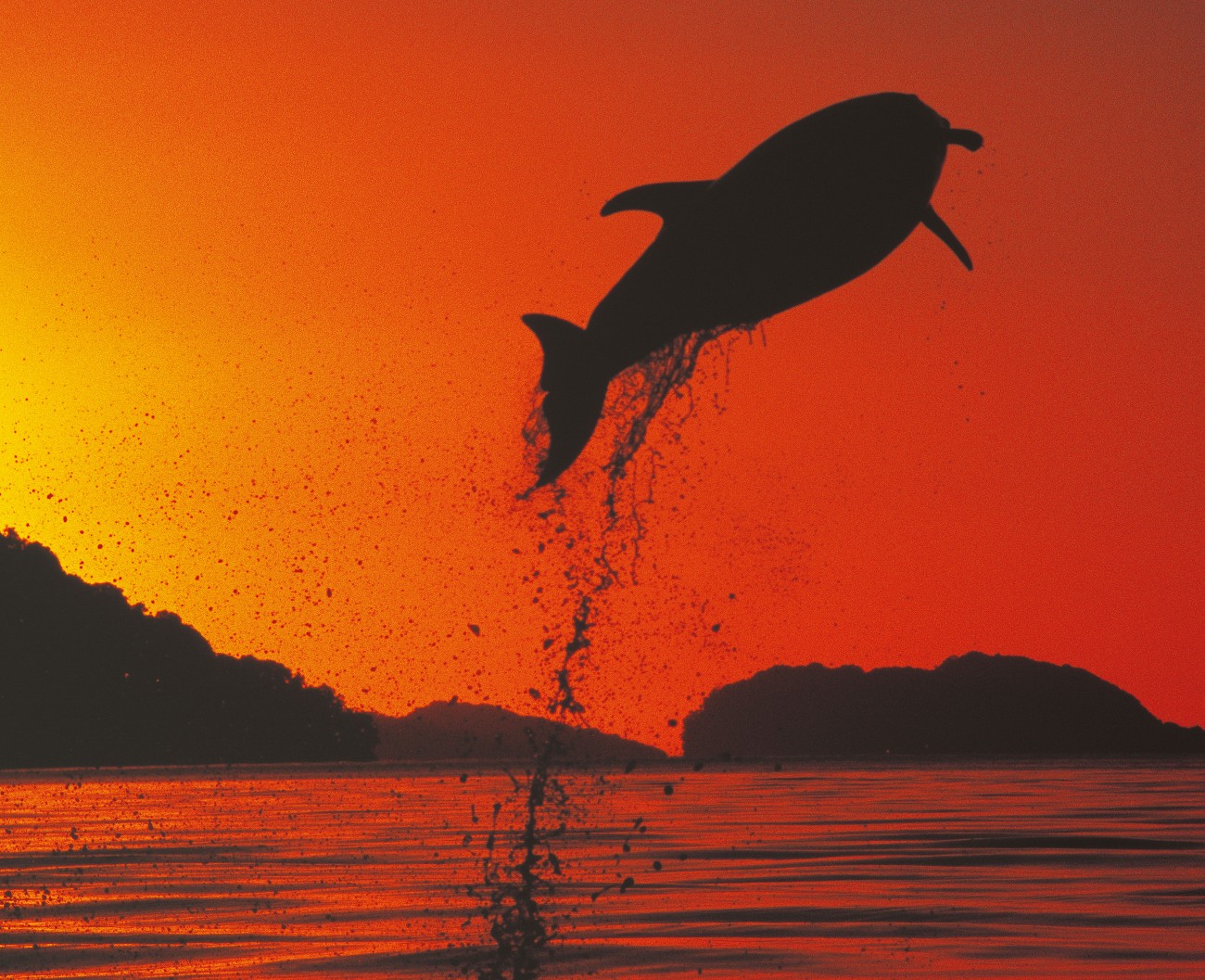
With their large brains, considerable capacity to learn, and propensity for interacting with humans, dolphins are undoubtedly among the most intelligent—and fascinating— of animals. Yet, given their nomadic lives in the ocean, they are difficult subjects to get to know. The bottlenose dolphins of Fiordland’s Doubtful Sound, however, are a resident population, much studied by […]...