A pair of boomerangs unassuming commas of wood—are displayed to one side of the exhibition’s entrance. Above looms the 7.2 m plywood-andfabric wing of a glider. Opposite is the feathered pinion of one of nature’s supreme wind-riders—a southern royal albatross, Diomedes epomophora. Video screens repeat a three-minute sequence showing gliders, both diomedian and human, taking […]...
This is the first in a series of earth-science articles by Purakanui geologist Mark Walrond. For his debut column he examines a landmark close to his Otago home: the famous Moeraki boulders....
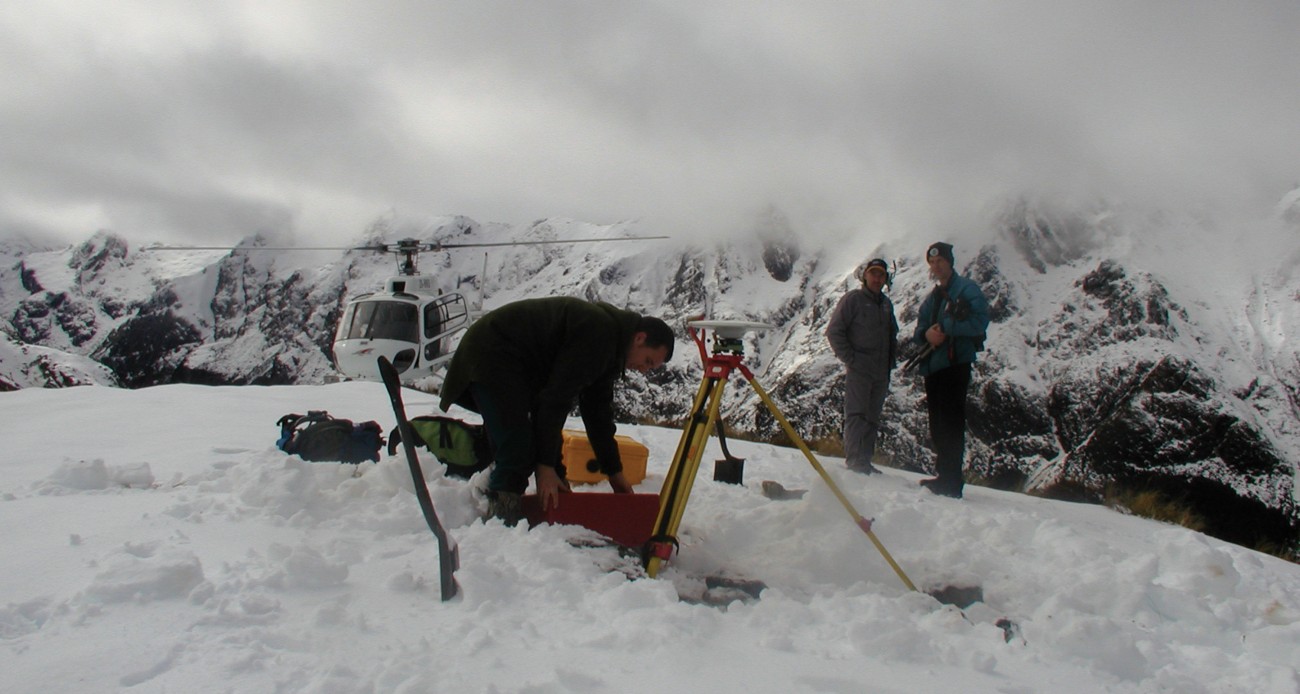
The earthquake that shook the southern South Island in the early hours of August 22 was the largest shallow quake in New Zealand since the destructive Inangahua shock of 1968. It had a magnitude of 7.1 and was centred near Secretary Island, on the west coast of Fiordland. Because of its remote location, it caused […]...
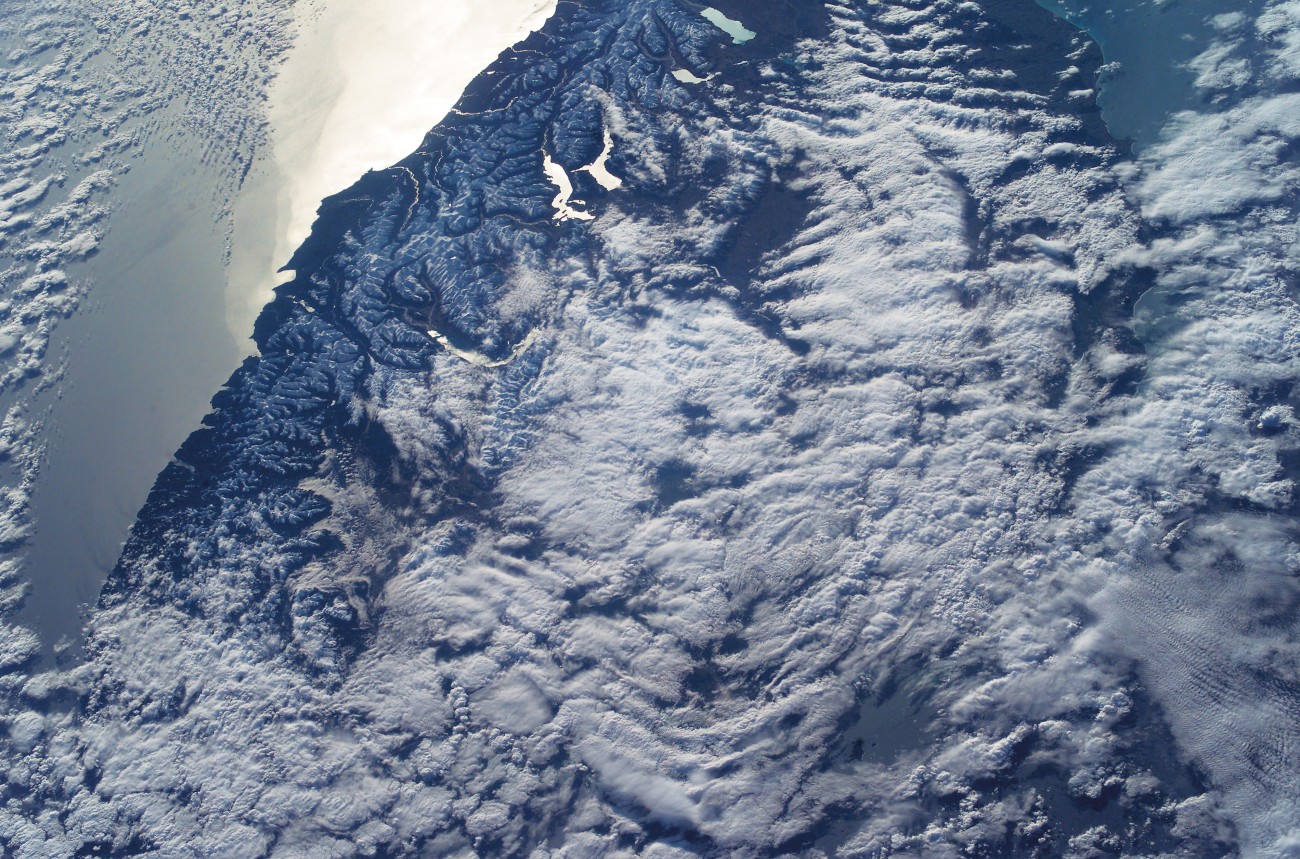
New Zealand through the eyes of astronauts...
Wherever it is too dry, cold, wet or rocky for trees to prosper—as at Lake Heron, in inland Canterbury—expect to find tussock. It is as intrinsic to the high country as sand is to Ninety Mile Beach. But who should own and manage the tussock lands?...
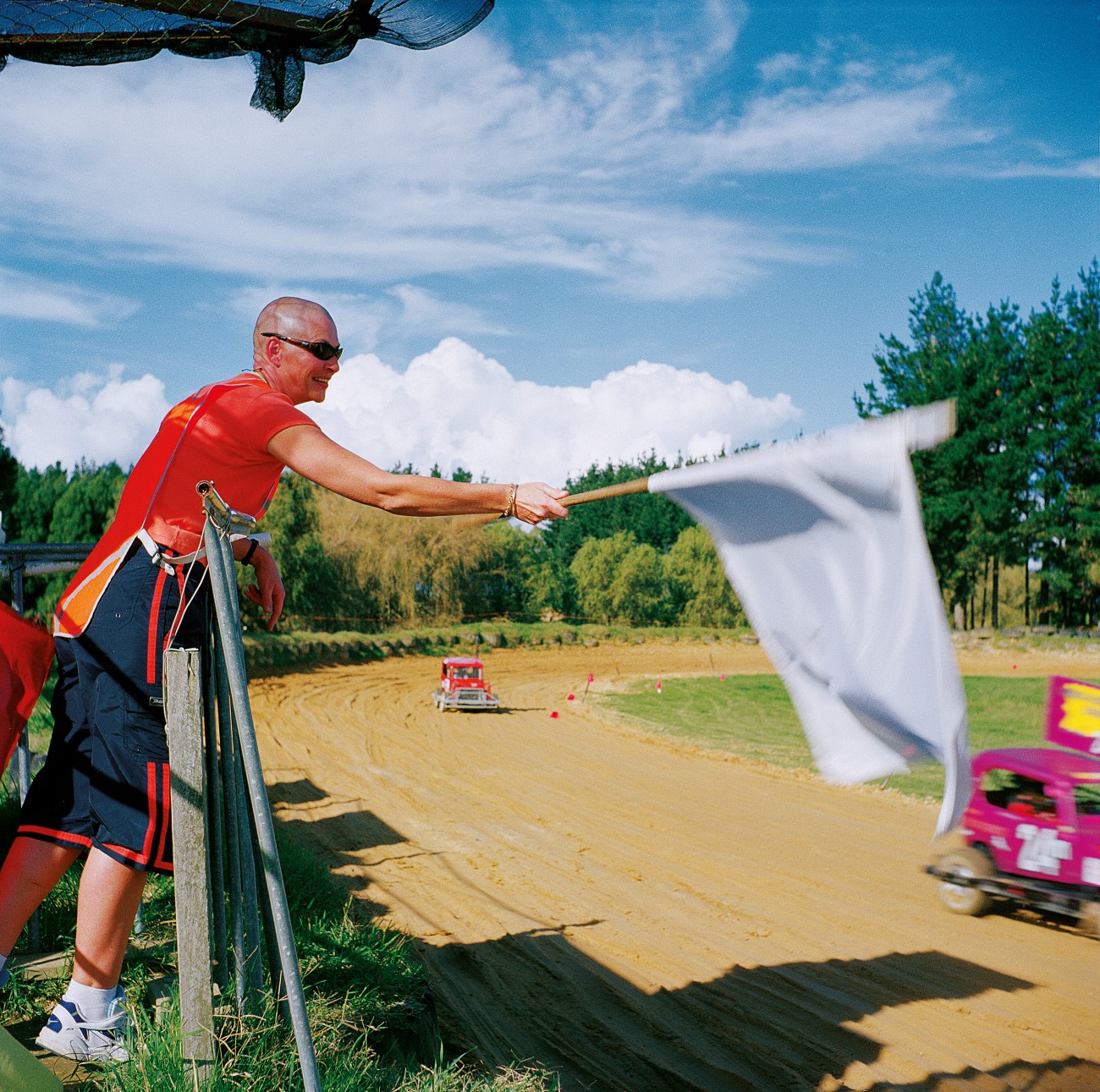
The dance hit “I Will Survive” battled its way through the sound system at Te Marua Speedway—and I really, really hoped that I would. Once I finished my sausage-on-a-stick it would be my turn to head out onto the track and drive in my first speedway race. I had to use all my willpower not […]...
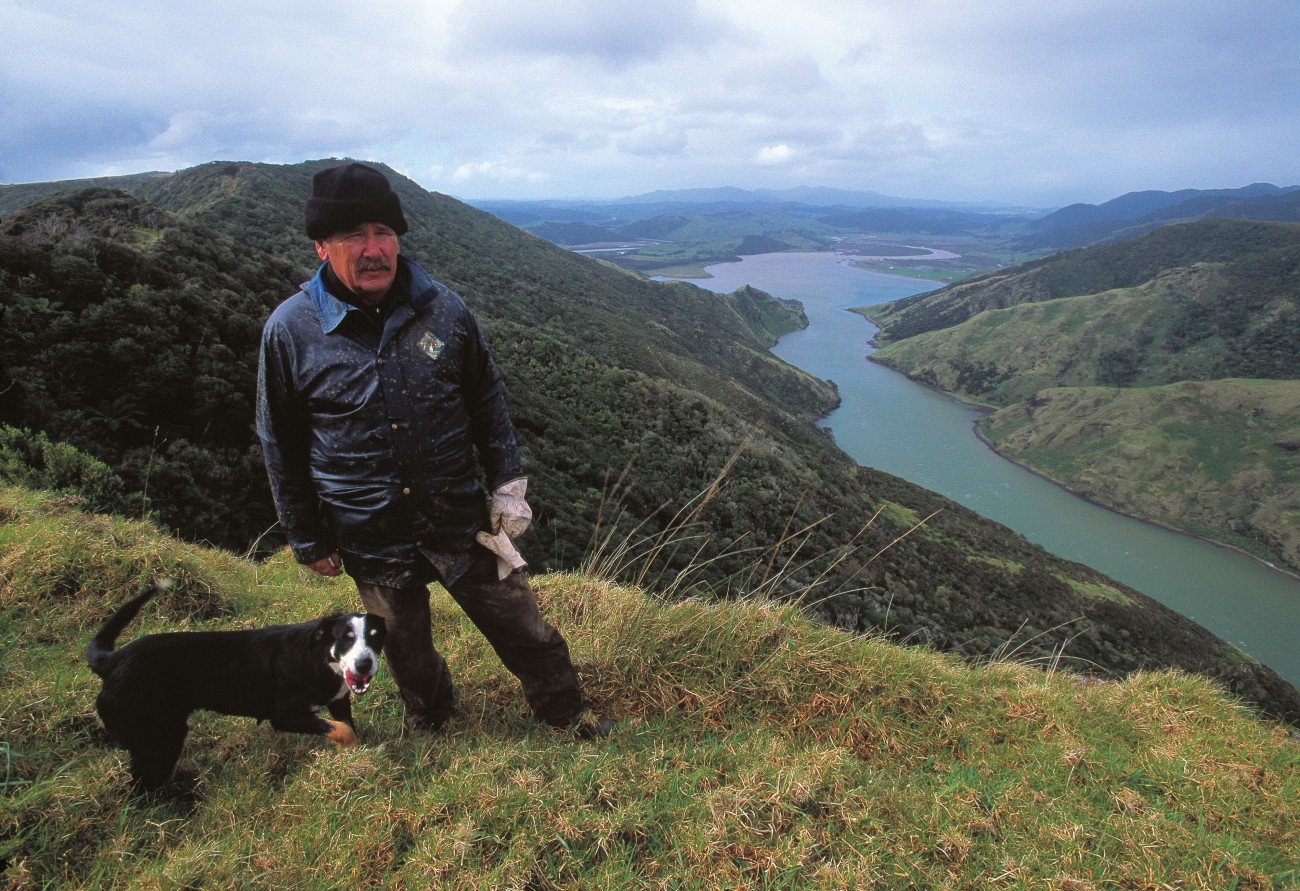
Twenty-six years old this year, the QEII Trust has helped nearly 1700 landowners establish convenants, all of which seek to preserve the natural environment for future generations....
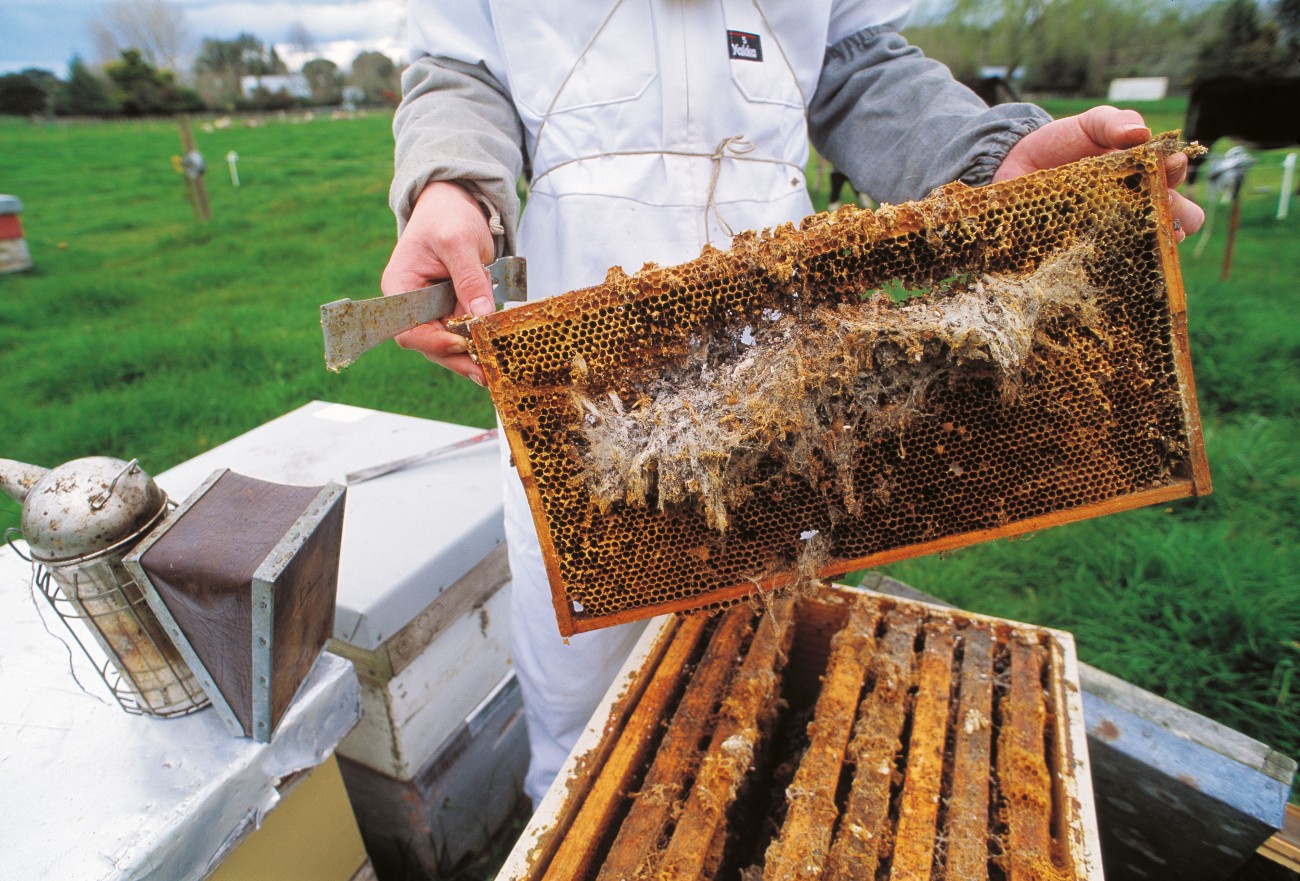
In April 2000, New Zealand honeybees received a death threat in the form of the varroa mite, an insect parasite which, if left uncontrolled, is capable of destroying hives and wiping out bees from entire regions. Once inside a hive, the mites multiply rapidly, weakening the honeybee colony and making it susceptible to disease and […]...
Two issues ago we ran a provocative Viewpoint article by Chris de Freitas, of Auckland University, which questioned the currently accepted notion that global warming caused by human activity is abruptly changing Earth’s climate. We invited this Viewpoint to highlight the fact that, despite regular media reports attributing a great range of phenomena to anthropogenic […]...
On Friday October 3, a deepening low moved south-east across the Tasman Sea towards New Zealand. An extensive area of upward atmospheric motion ahead of the low created a broad, deep cloud sheet which unleashed heavy rain over most of the North Island and the top of the South Island, bringing rivers into flood and […]...