In 1992 Dr John McLennan of Land-care Research chose Puketukutuku and Whareama Peninsulas, at the western end of Lake Waikaremoana, as locations for his study of the notion that predation of kiwi, particularly predation of chicks by stoats, was the principal cause of kiwi decline throughout New Zealand. The hapu of Waikaremoana have been involved […]...
In the early hours of August 29, Hurricane Katrina swept across the coasts of Louisiana and Mississippi with a display of meteorological shock and awe of biblical proportions. Over a thousand people died and the damage bill has been estimated at around US$100 billion. Although it had been forecast, the storm caught many politicians unprepared. […]...
We all want to eat foods that are free from, or at least low in, allergens, carcinogens, genetic toxicants, birthdefect-causing chemicals (teratogens), endocrine disruptors and the like. Yet we are living in odd times with regard to minimising human exposure to potential toxicants in crop foods. Governments are far more effective at implementing politically correct […]...
I hesitated for some time before inviting Dr Joel Mattsson to contribute this issue’s Viewpoint—after all, he works for a large American chemical company and he is not talking specifically about New Zealand. But I decided that his subject was of relevance and interest here, and besides, serious science merits consideration regardless of the affiliation […]...
Samuel Marsden was one of the most influential Europeans in early New Zealand. He brought Christianity and agriculture to the Maori and tried to stop the sale of muskets to them and the trade in tattooed heads. Although he had become interested in Maori by 1805, the Boyd massacre at Whangaroa Harbour (above) in 1809 set European visits […]...
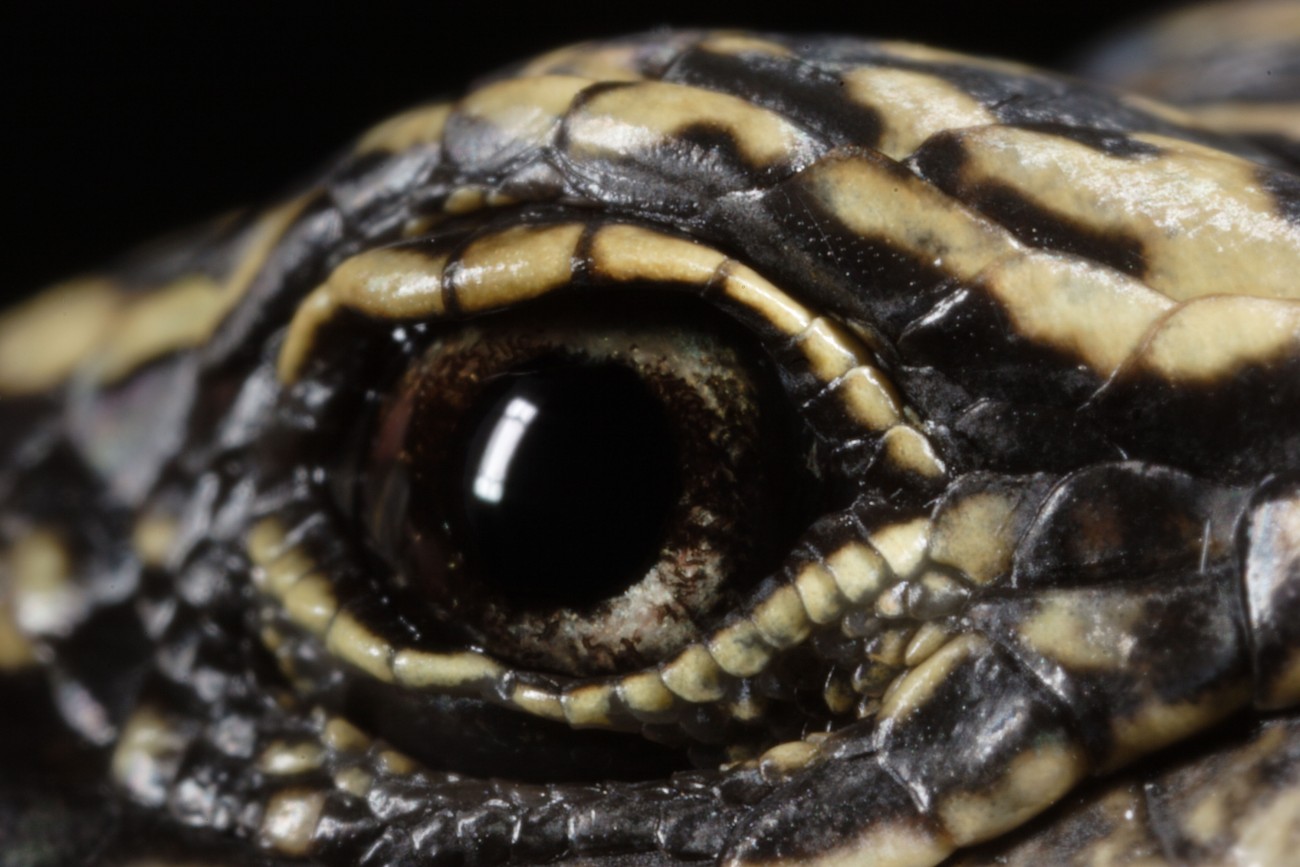
Two of our largest and most handsome lizards—the 30 cm long Otago and grand skinks from Central Otago—are staring at extinction unless present conservation efforts succeed....
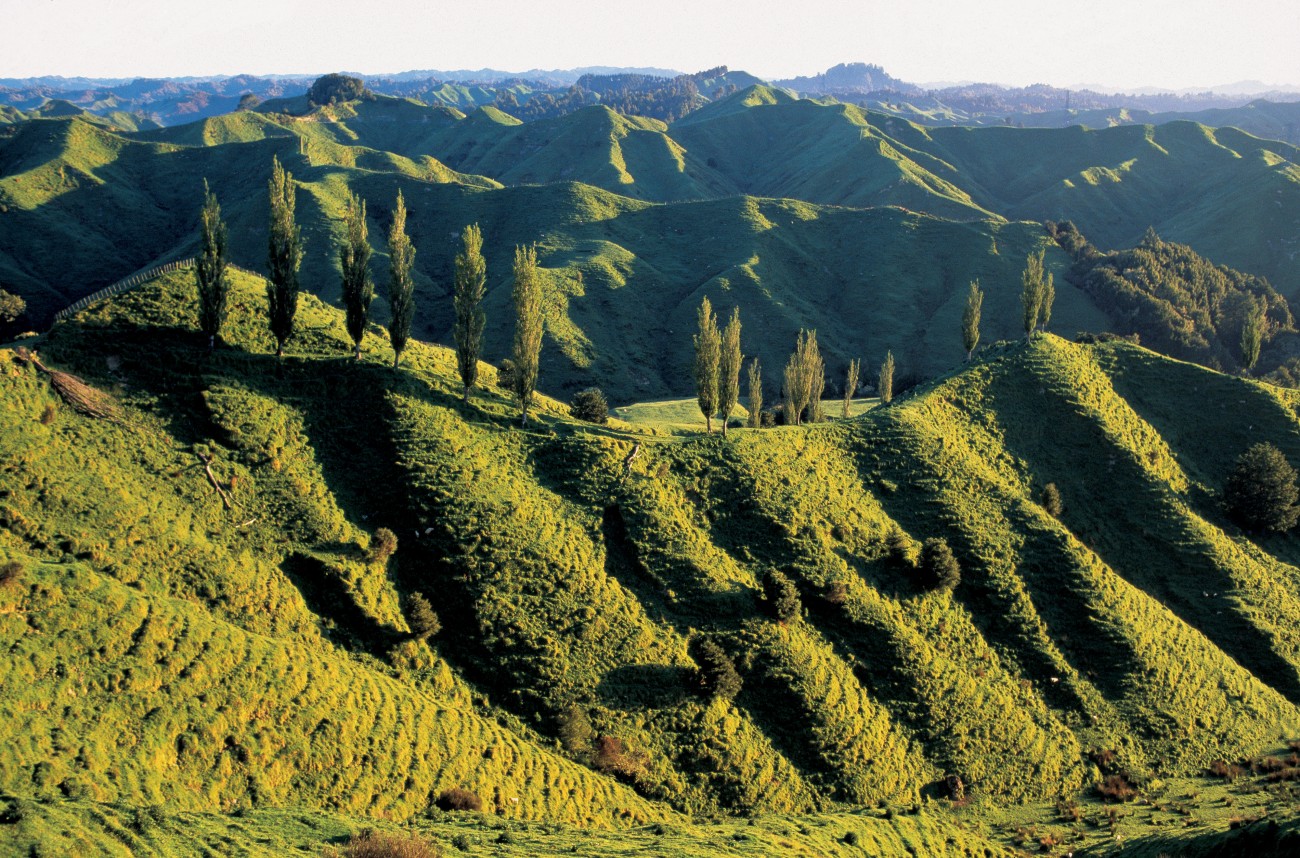
The small settlement of Whangamomona, buried in the hills of eastern Taranaki, declared itself a republic in 1989 and has since attained a sort of cult celebrity status. For Republic Day celebrations—held in summer every second year—thousands of visitors flock to the town, and are required to hand over $3 for a passport at border […]...
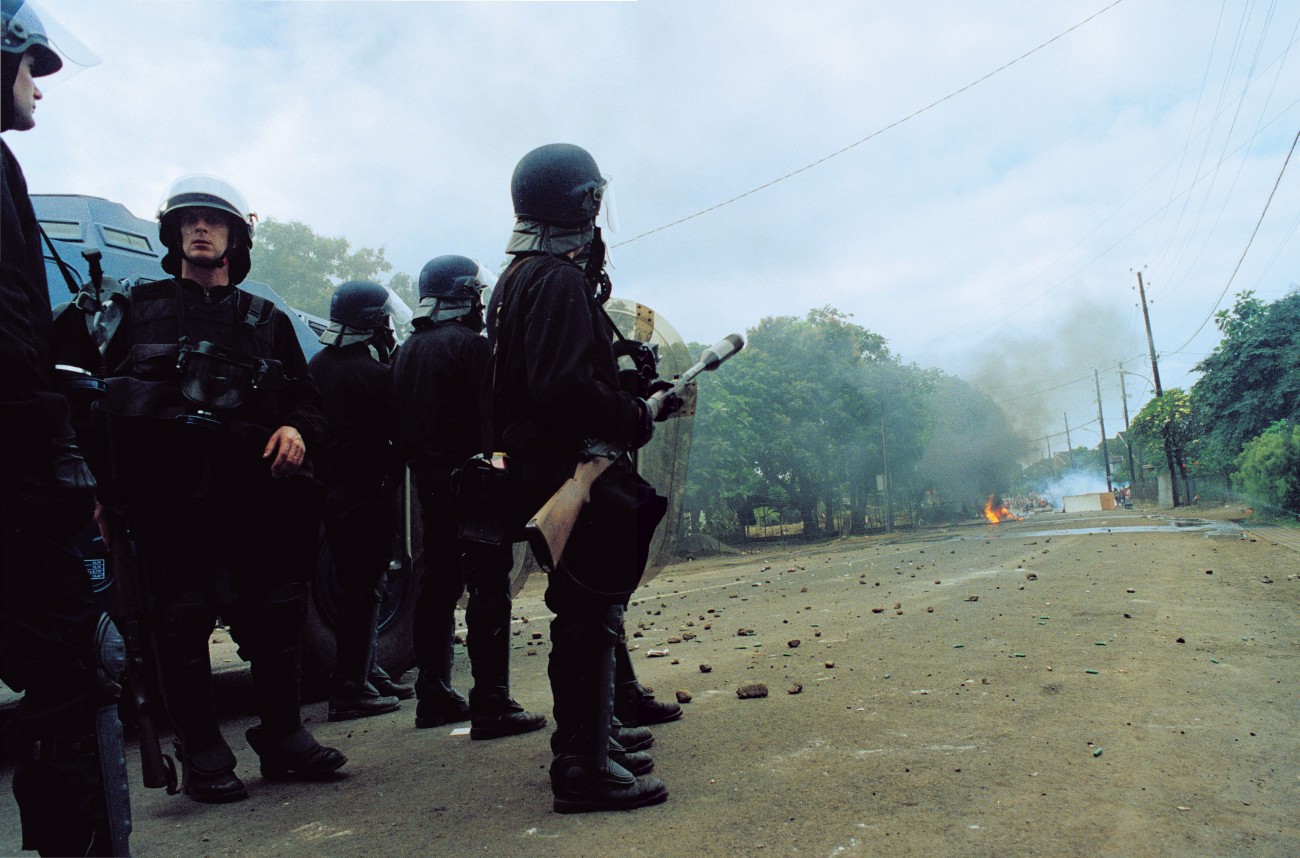
In June 1995, the French government announced it would carry out eight final underground nuclear bomb tests at Moruroa atoll before ratifying the UN’s comprehensive nuclear test ban treaty. The announcement provoked a storm of protest around the Pacific. Greenpeace sent ships to the island, protest marches and riots took place in Papeete (left), and […]...
When shoals of whitebait begin their annual migration from the sea to New Zealand’s rivers, there’s a corresponding migration of whitebaiters to the river mouths. Bankers, retired folk in campervans, local townspeople and farmers all spend hours braving the elements in anticipation of that elusive “big catch”. Whitebaiting is part of New Zealand folklore, and […]...