Penguins are the heroes of many children’s books and videos, being known and loved throughout the world for their comical walk and distinctive coats. Emperor penguins are the largest living penguins, reaching heights of 1.2 m and weights of 20–40 kg. However, there were once far larger penguins waddling across the earth. In January 2006, […]...
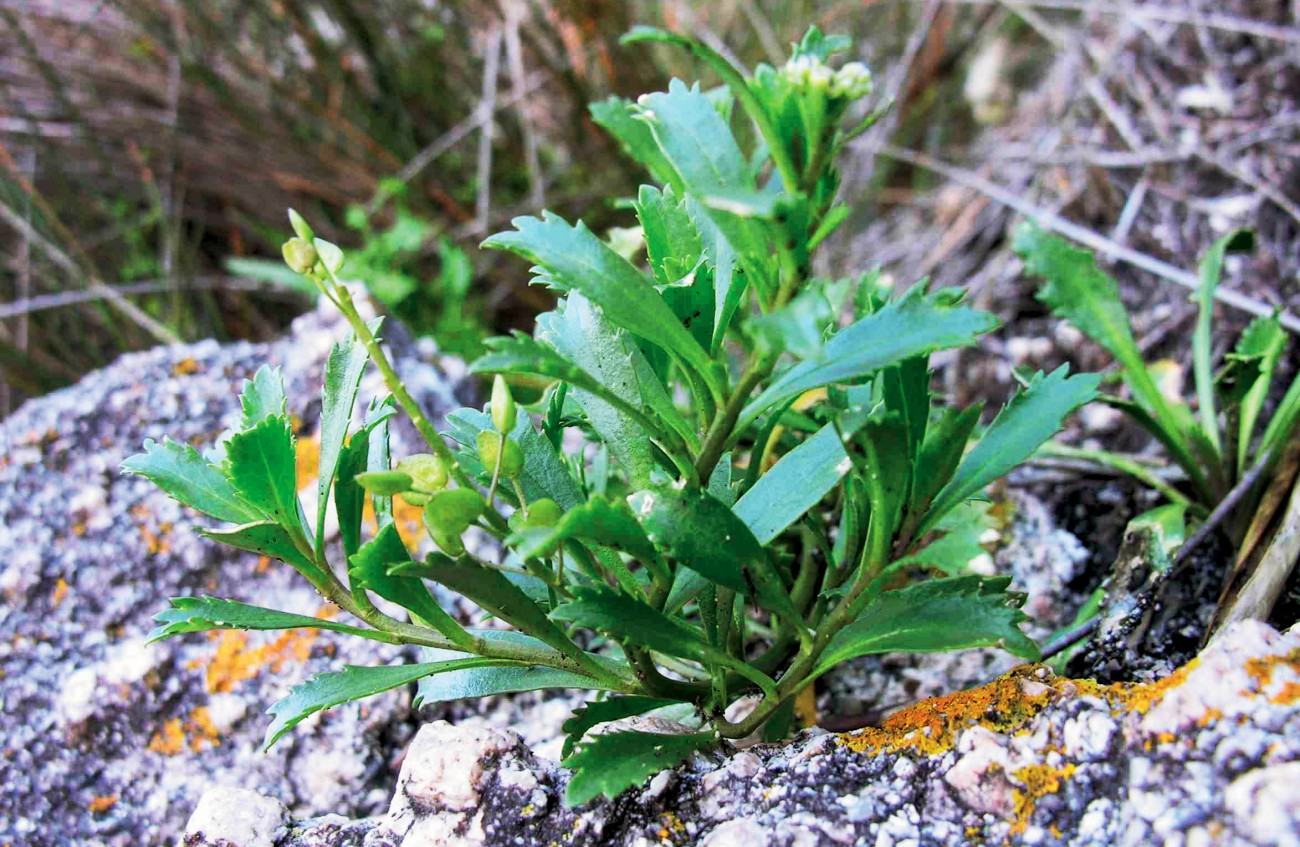
Coastal Peppercress, Lepidium banksii, is perhaps the most threatened of New Zealand’s 11 indigenous lepidia. Thomas Kirk described the species in 1899 from material collected by French explorers during the Dumont d’Urville survey of the coastline of what is now the Abel Tasman National Park. He also recorded its presence in the Marlborough Sounds, where […]...
Fifty years ago New Zealand whalers used to sit high above the entrance to Tory Channel, in the Marlborough Sounds, as they scanned Cook Strait for humpback whales (Megaptera novaeangliae). Humpbacks, migrating through New Zealand waters on their way from summer cold-water feeding areas in the Antarctic Ocean to winter warm-water breeding grounds in the […]...
Ian Spellerberg is Director of the Isaac Centre for Nature Conservation, Lincoln University, and John Sawyer is a plant ecologist at the Department of Conservation’s Wellington Conservancy....
It’s after 8.30 at night and I’m long alone in the office, pondering an editorial. I wonder if Irina Marinov (see p24) is still in her lab in Boston. She emailed me early in the day saying she would be working until very late and I have gathered from our limited contact that that can […]...
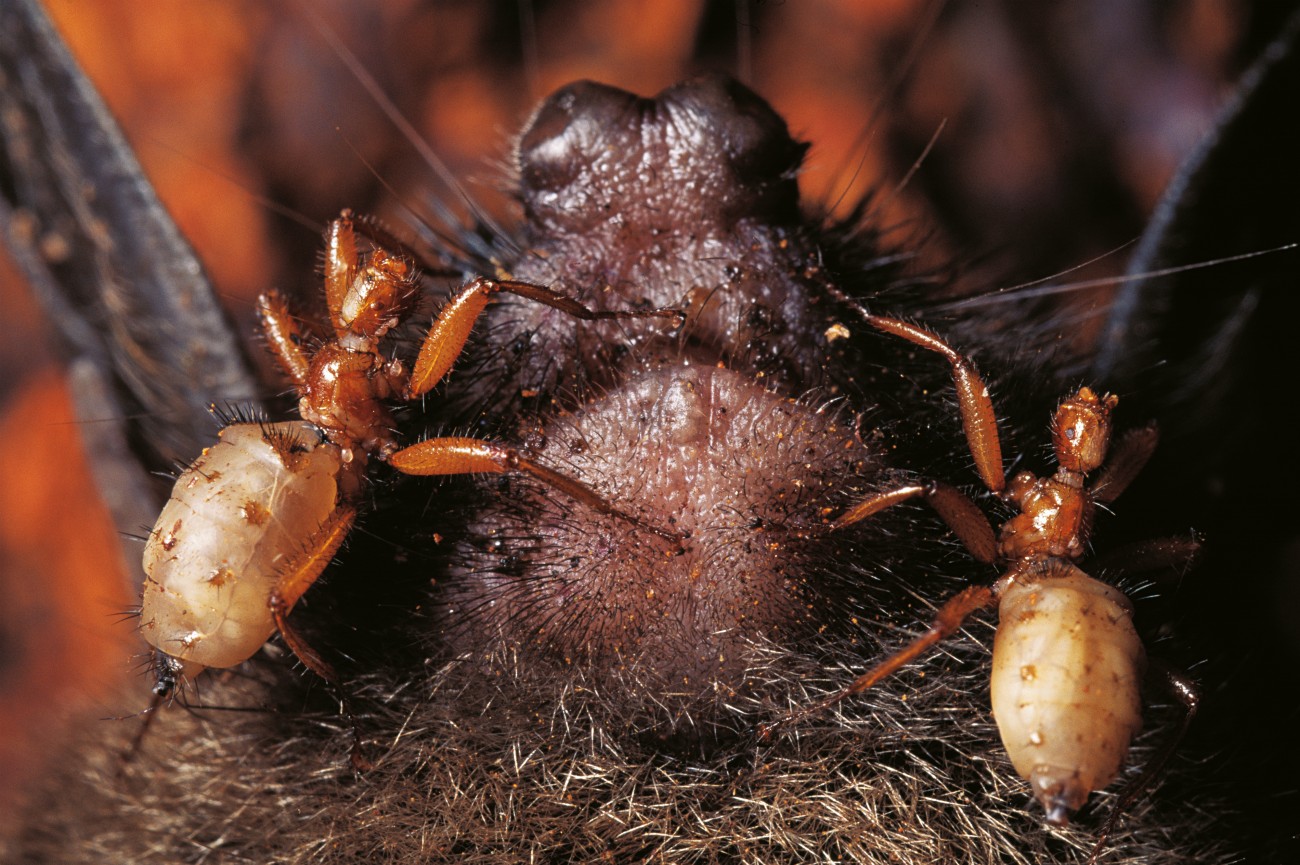
It’s an ant! It’s a spider. No—it’s BATFLY! A blind, wingless species of fly that lives on and with New Zealand short-tailed bats in strange symbiotic relationship. Similar animals infesting bats in South America and elsewhere are blood-sucking parasites—the vampire’s vampire—but the New Zealand version is a vegetarian coprophage specialising in the management of bat […]...
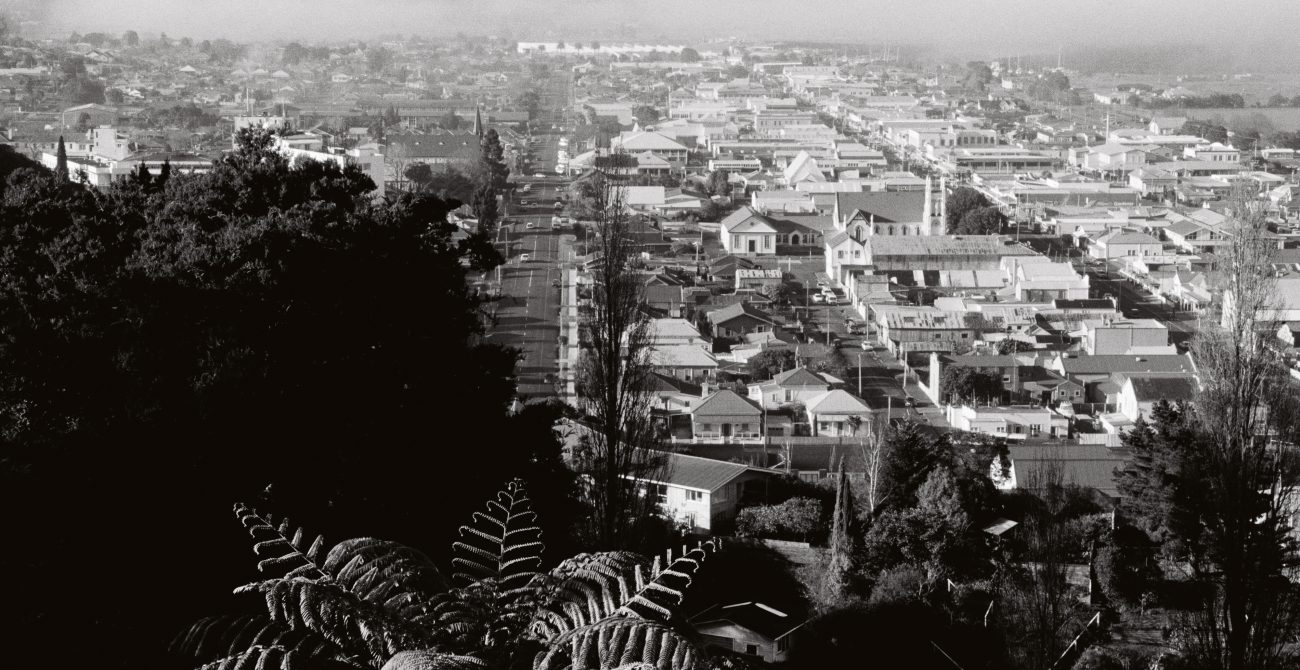
Legacy of the Thames goldfield....
It is the larger of Auckland’s twin harbours; at high tide 340 square kilometres of sparkling sea, and at low water half of that, the rest becoming sand and mud-flats. The rugged heads can be glimpsed from many high points around the city and are one of the iconic images of Auckland for the millions […]...