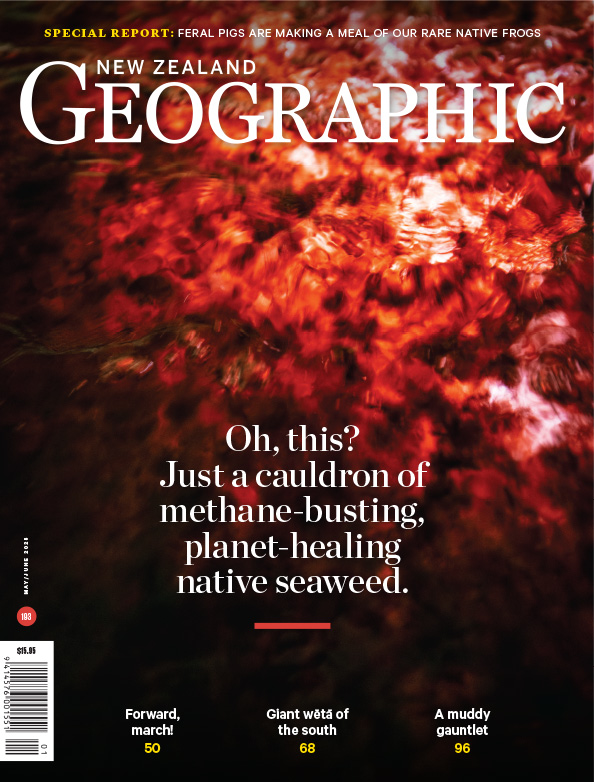
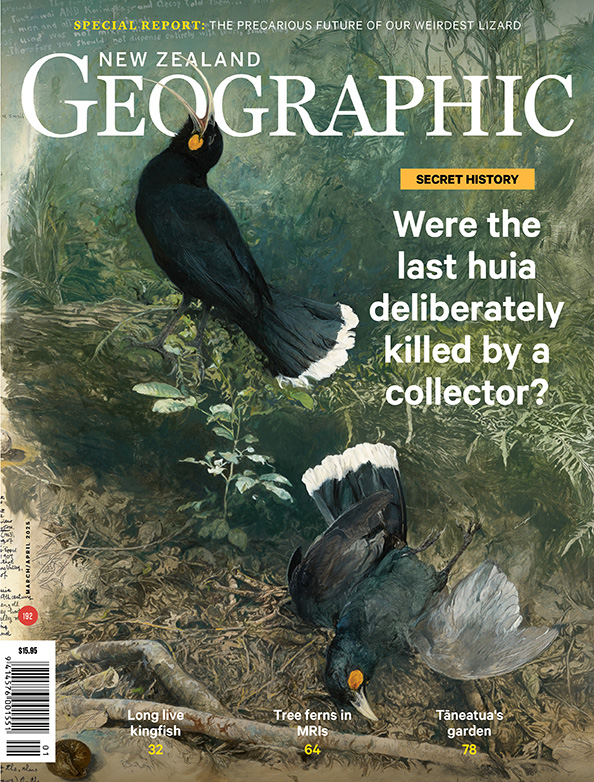
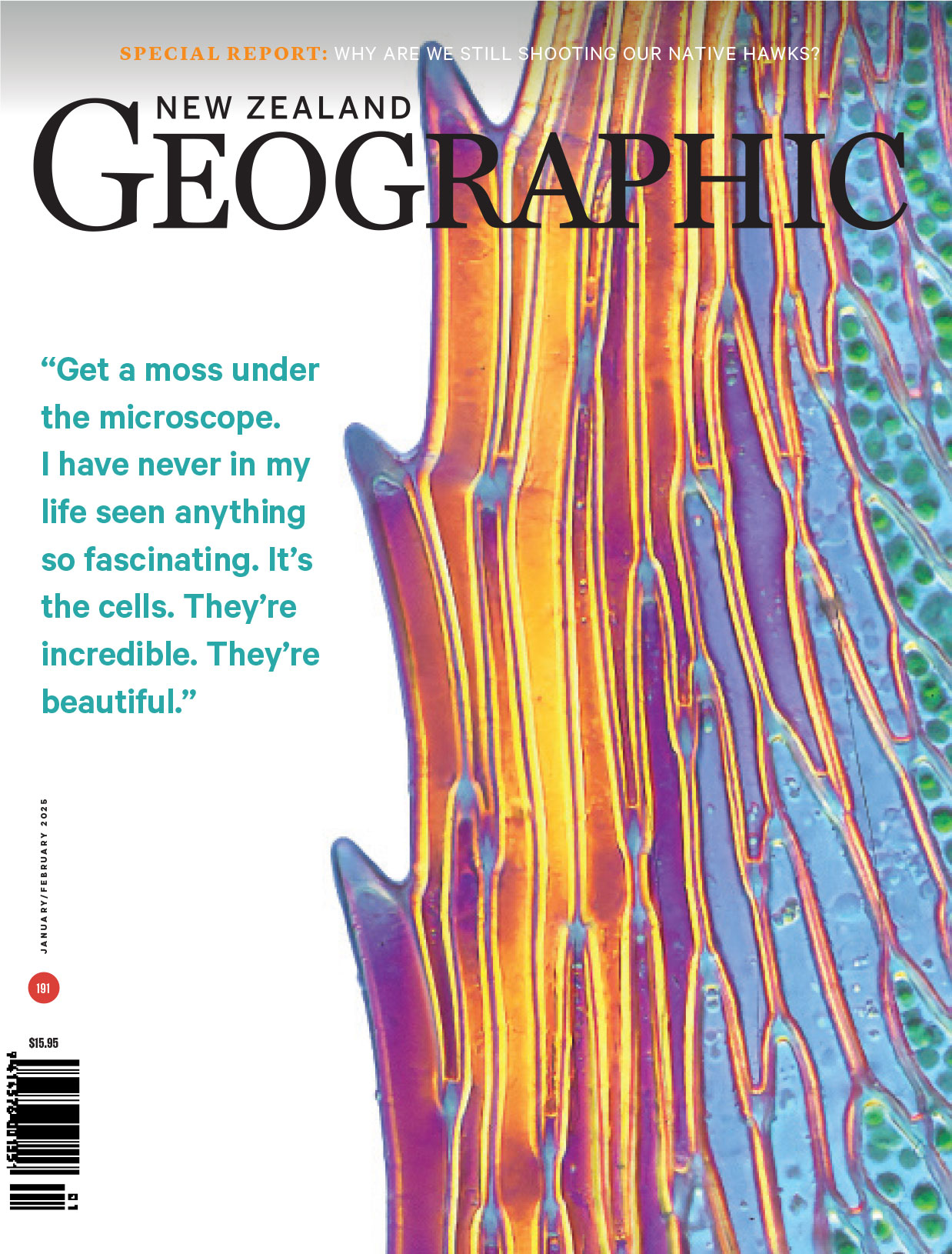
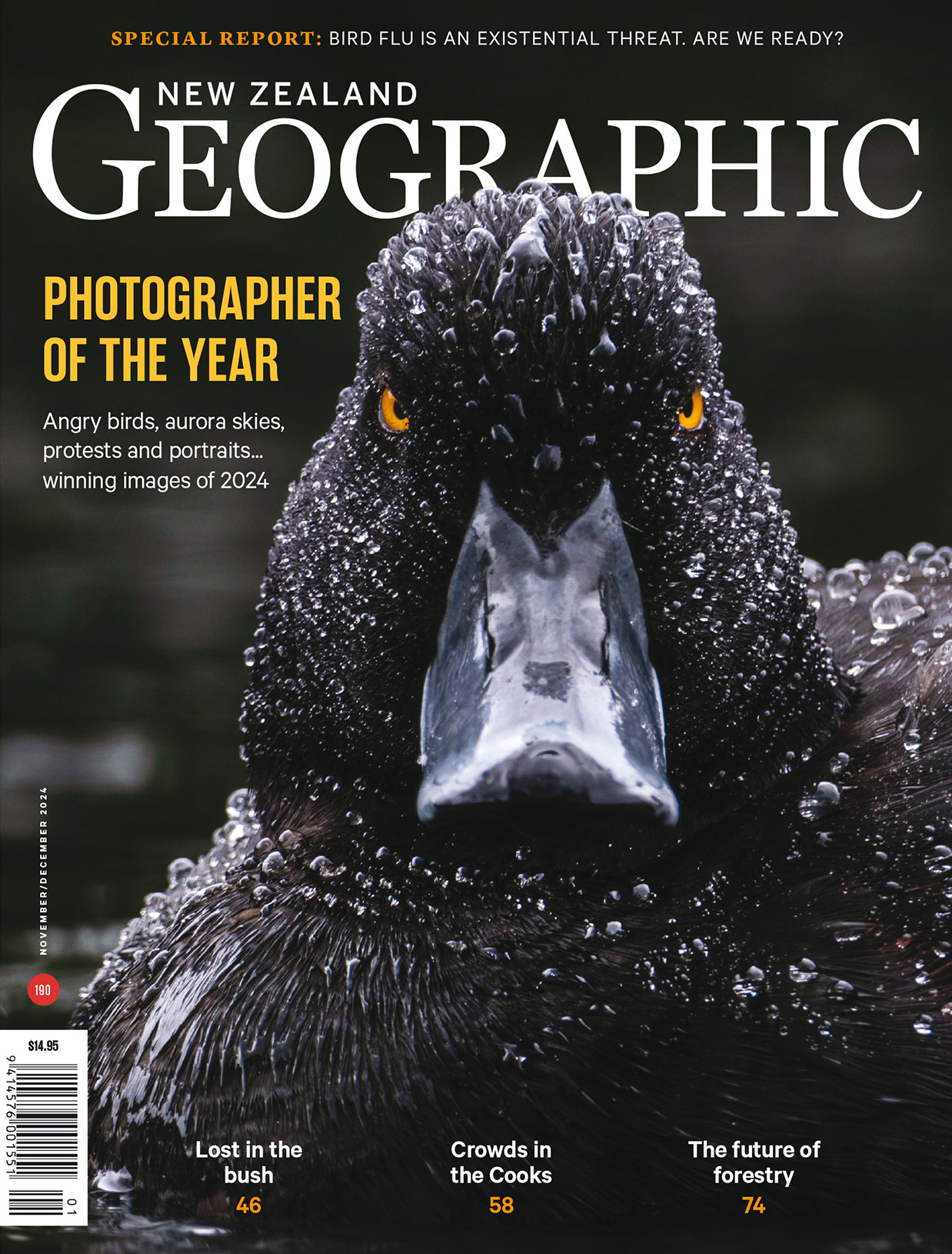
The fifth issue of New Zealand Geographic, published on the 150th anniversary of the signing of the Treaty of Waitangi, began with an observation that “differences were not understood, respect not offered, deals not honoured, wrongs not righted and, for many, a corroding ignorance widens the gulf”. Thirty-two years later, those words are still accurate, […]...
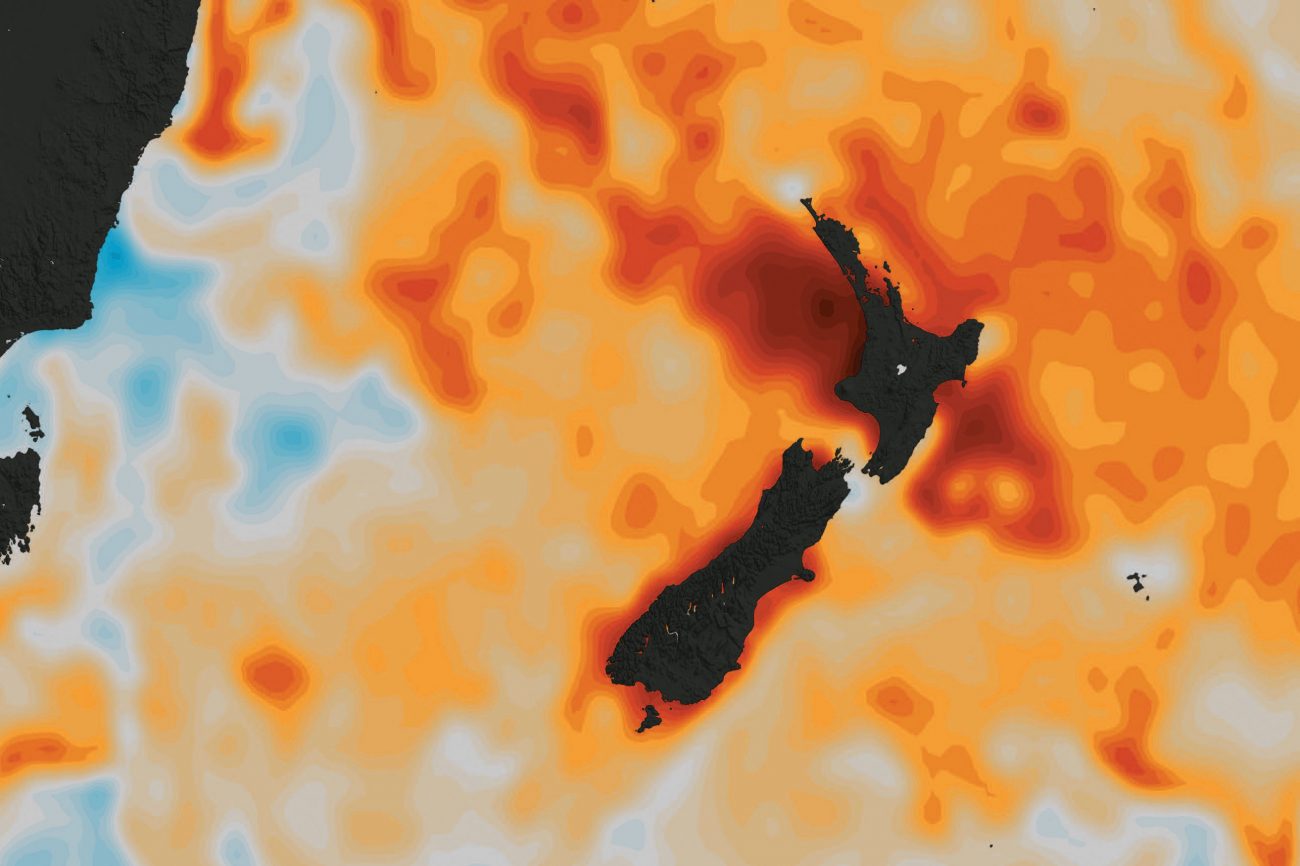
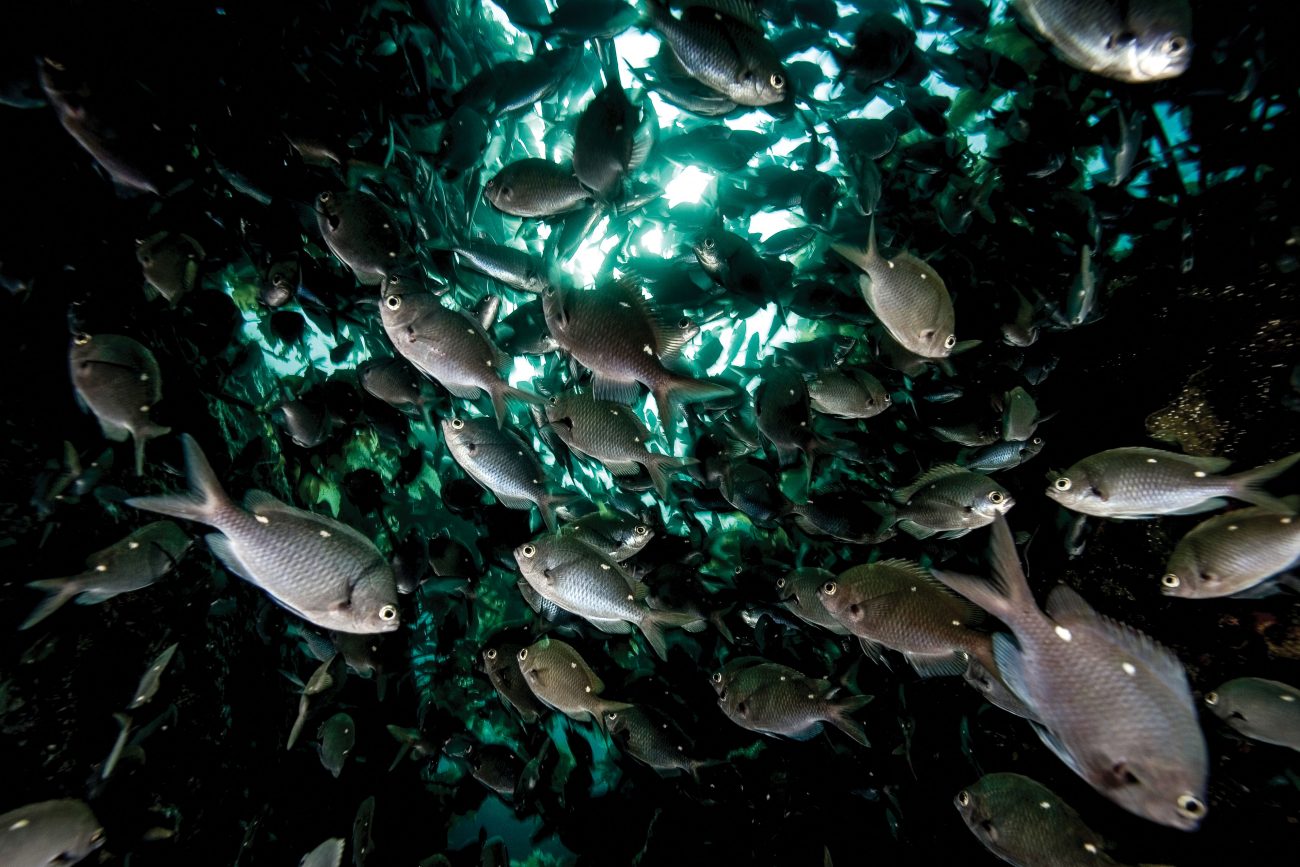
This past summer was a scorcher, not just on land but in the sea, too. In some of New Zealand’s coastal waters, temperatures reached four degrees higher than normal, while in the Bay of Plenty, a marine heatwave began in November and continued into March. Globally, marine heatwaves have bleached coral, flattened kelp forests, changed […]...
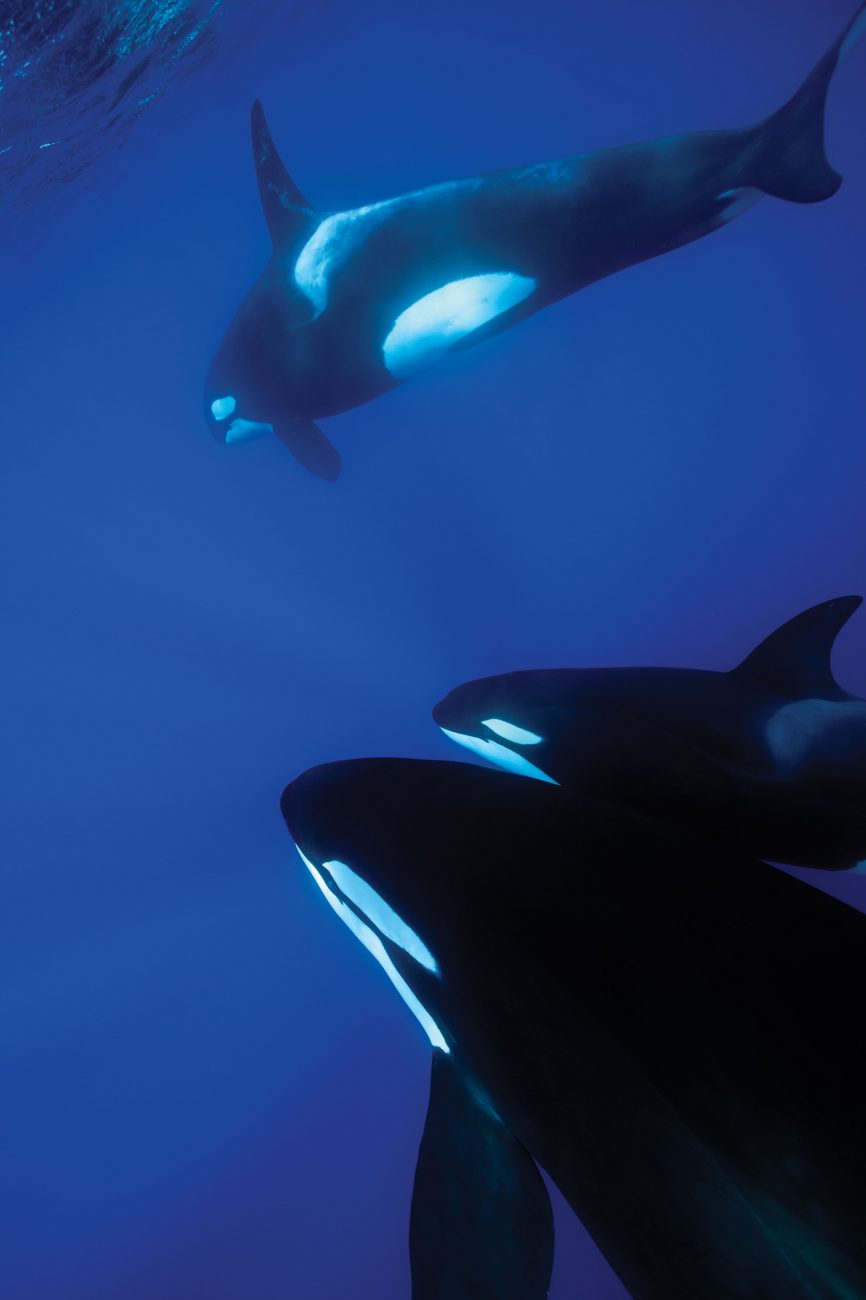
The attack is already underway when the researchers find the blue whale. A huge chunk of flesh has been ripped from its nose, its dorsal fin has been bitten off, and teeth rake scratches scar its body. Still, the whale tries to flee from its attackers. About a dozen orcas continue their hunt, and after […]...
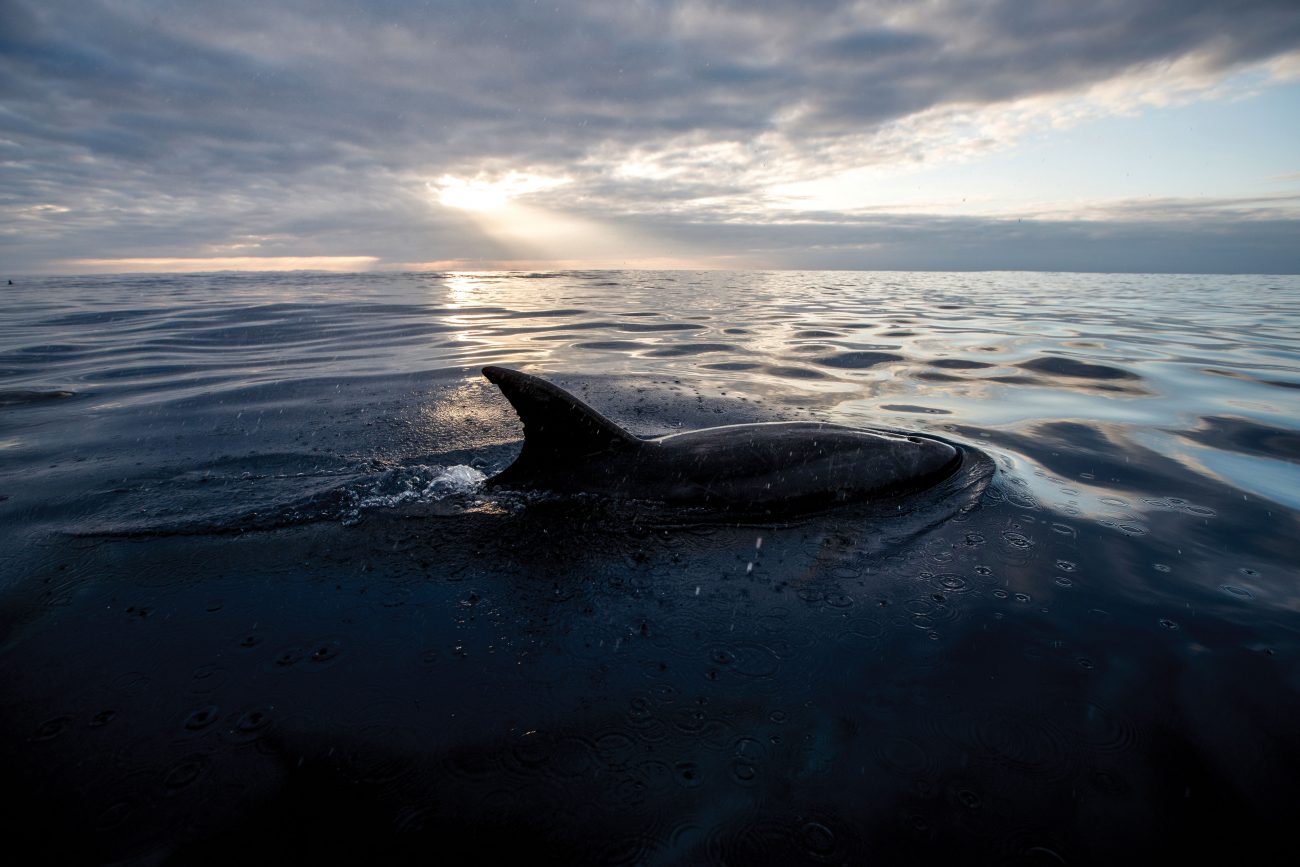
Where do Tamatea/Dusky Sound’s dolphins go? Starting in 2009, researchers spent a decade trying to find out, setting out 178 times in small boats in all seasons to track and identify the sound’s resident bottlenose dolphins—around 120 of them. They found that the animals preferred to hang out in certain parts of the vast waterway, […]...
A machine learning algorithm has identified potentially meteorite-rich sites in Antarctica. The icy continent is a mecca for meteorite hunters—the dry, cold environment keeps the rocks in pristine condition, and their dark colour makes them easy to spot against the white landscape. Still, you need a good dose of luck to find a meteorite stranding […]...
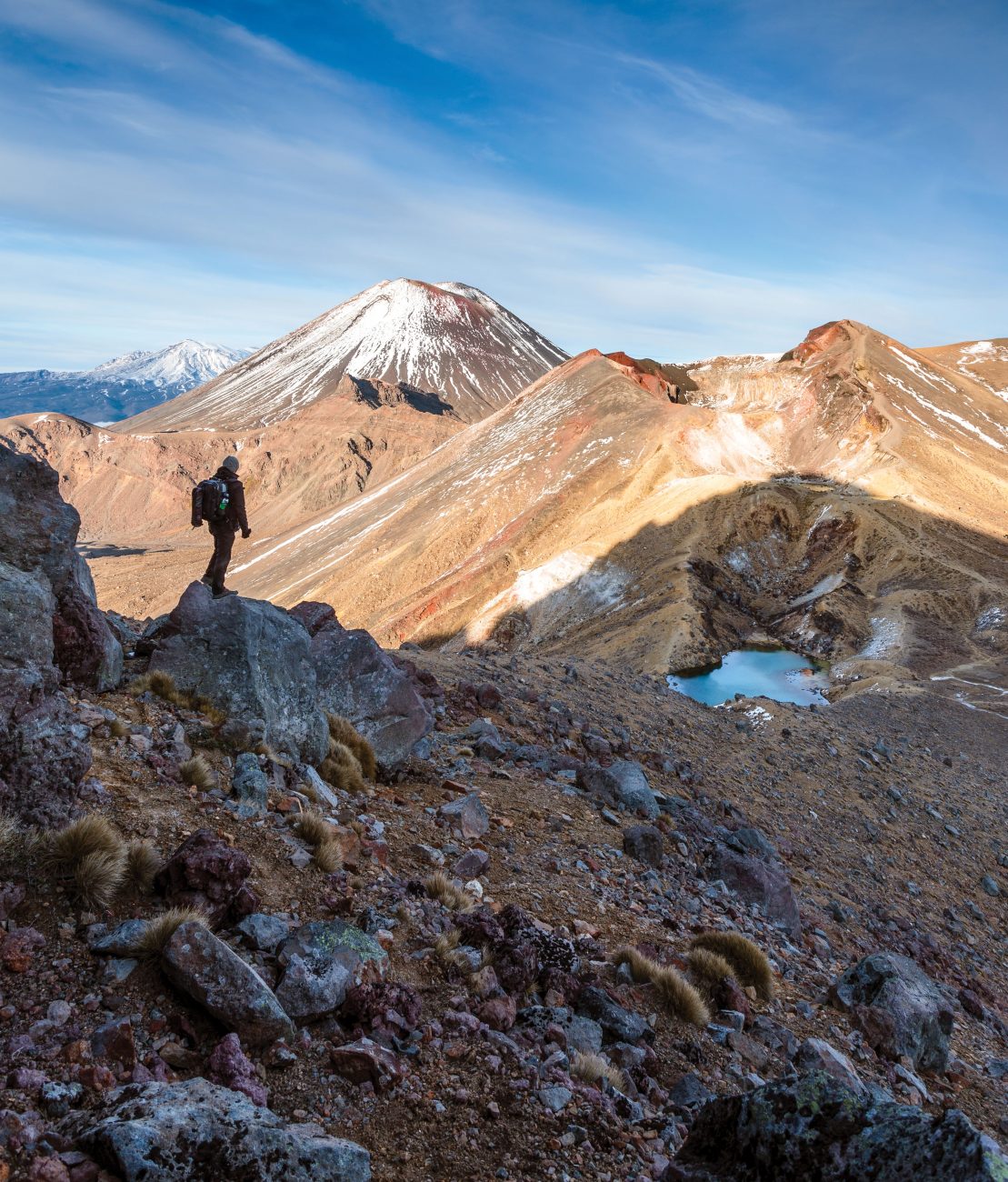
New Zealand’s largest lake lies atop a sleeping giant: the Taupō supervolcano, which last erupted some 1800 years ago. But new research suggests that residents of the central North Island need to be wary of earthquakes rather than volcanic blasts. Eruptions may be more dangerous, but earthquakes are much more common. “It doesn’t erupt very […]...
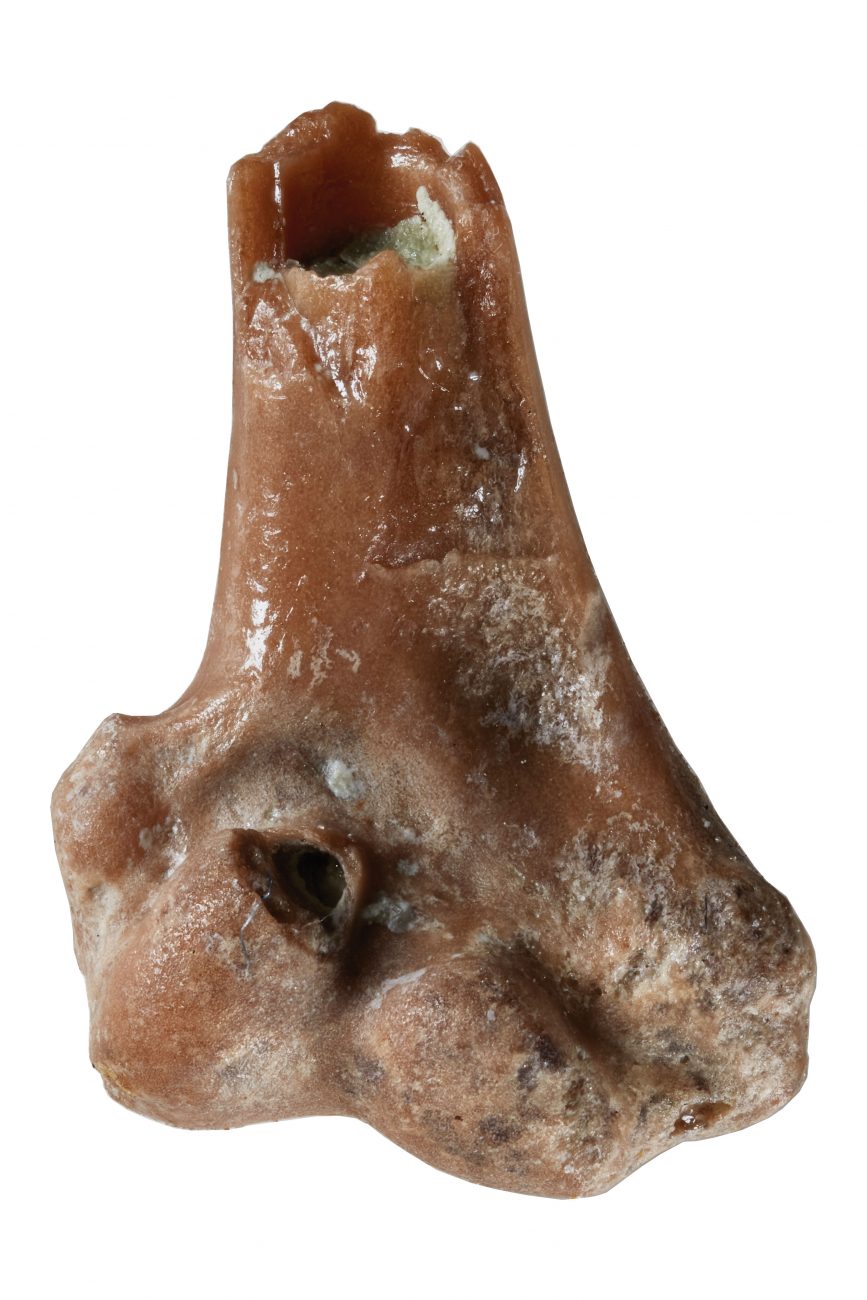
Scientists have identified three new bird species from fossil bones unearthed at St Bathans in Central Otago—which was a massive lake 16-19 million years ago. Among the fossil finds is a wingbone so strange it has sat on a shelf, eluding scientific description, since 2008. “We’ve been puzzling over it, trying to work out what […]...
The handwriting of New Zealand’s most famous author, Katherine Mansfield (1888–1923), was notoriously difficult to decipher, as those who have studied her manuscripts can attest. It was perhaps fortunate, then, that towards the end of her life she came into possession of a typewriter and from then on used it enthusiastically or, depending on her […]...
The actor, writer and director’s play Dawn Raids is being restaged, 25 years after he wrote it....