Fiordland

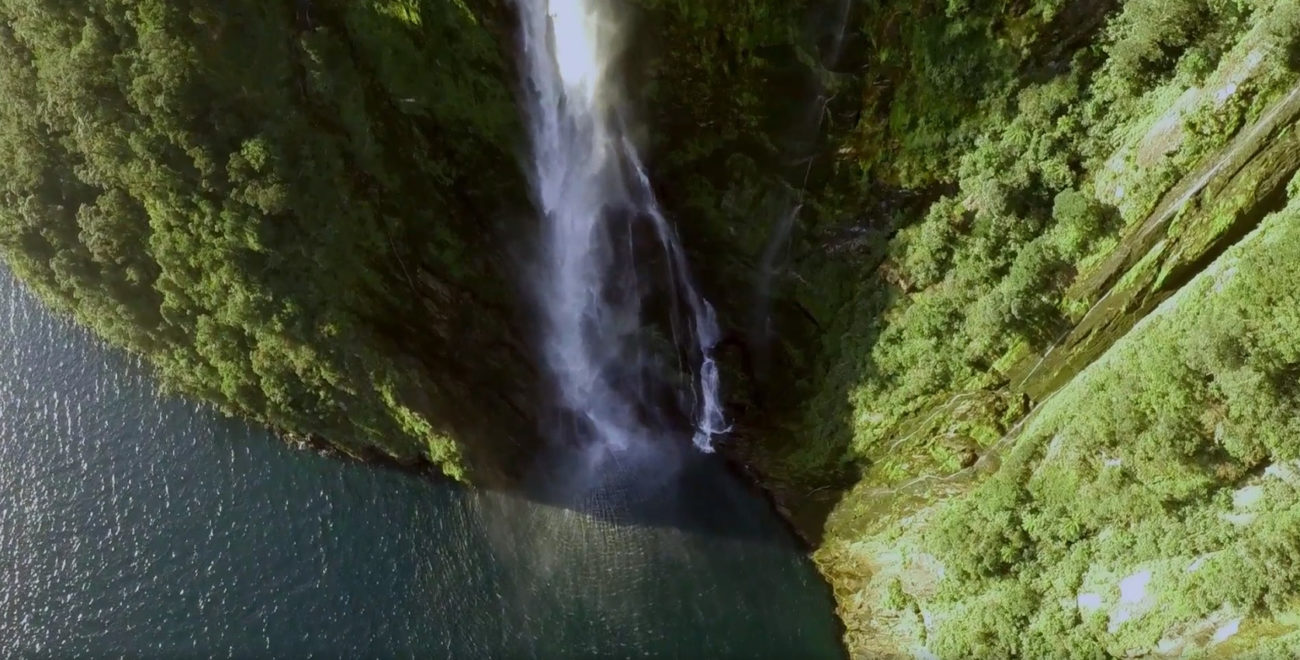
In the cold, steep world of the fiords, tannins block out sunlight to the world below. The fiords are cold and inhospitable in winter, when they receive little light and freeze over at their extremes. In this unforgiving world there are no second chances...

Chatham Islands

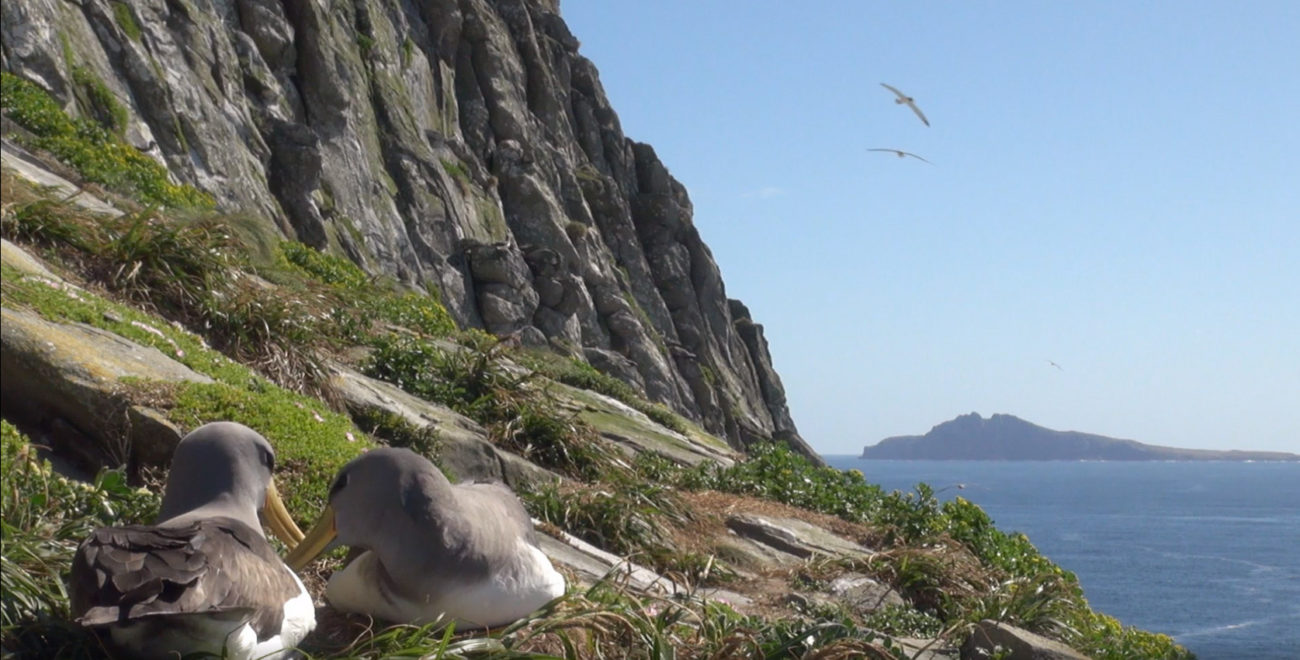
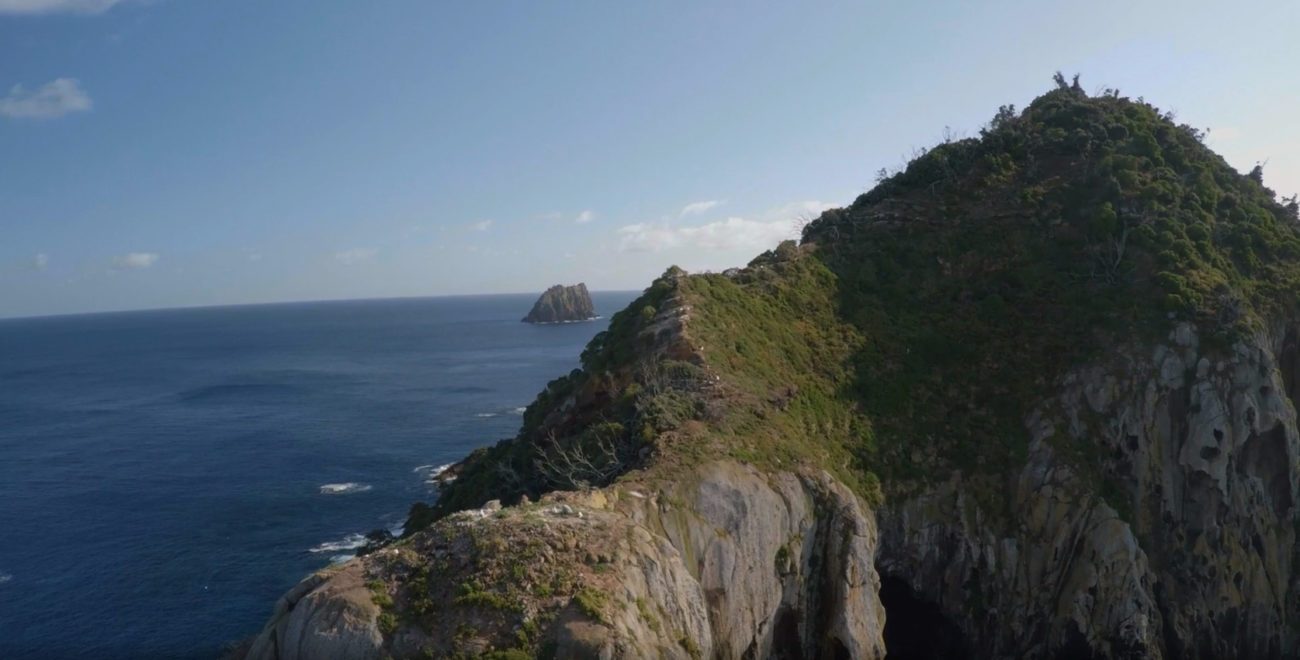
Perched way out in the Pacific, Rangatira Island is pockmarked with thousands, maybe millions, of seabird burrows. Its forest remnants and rocky platforms also shelter some unique and critically endangered birds. But even endangered birds can make a tasty snack and, on a crowded island, there might not be enough room for everyone to rear […]...

Banks Peninsula: Mountains Meet the Sea

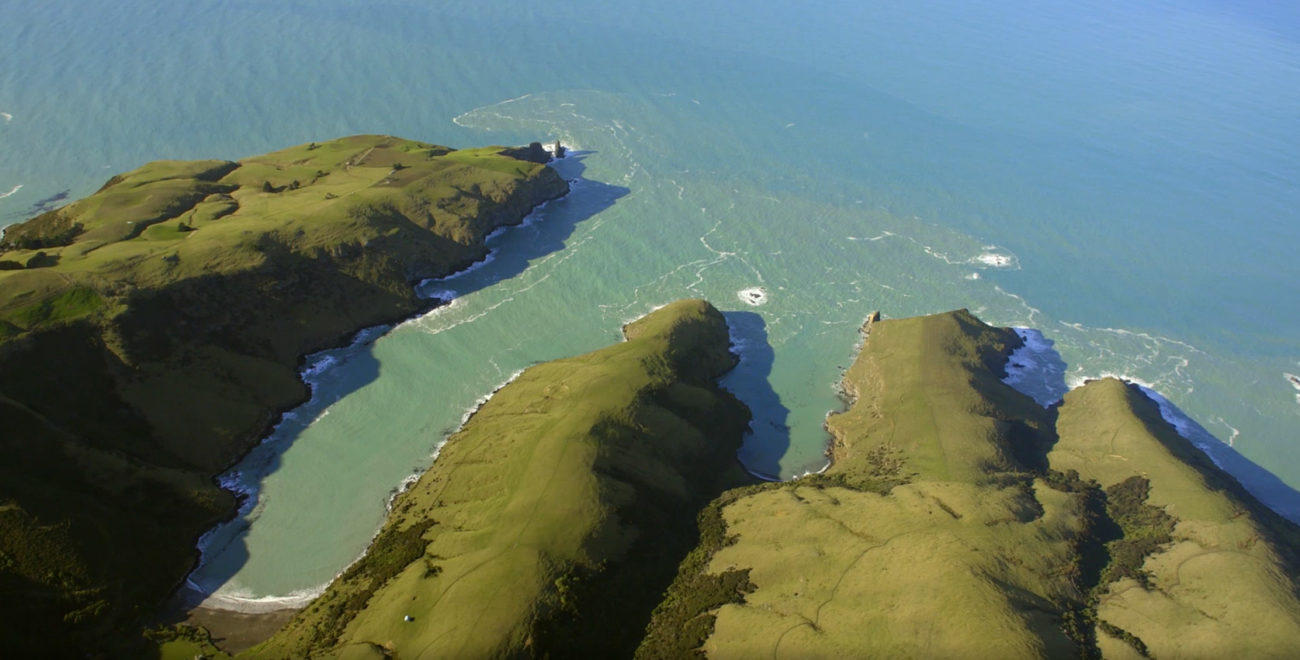
A drowned volcano, jutting out into the ocean, shelters one of the world’s tiniest marine dolphins. Fresh meltwater from Southern Alps rushes down braided rivers, washes food into the sea and percolates into wetlands that provide a home for the long lived and mysterious eels....

White Island

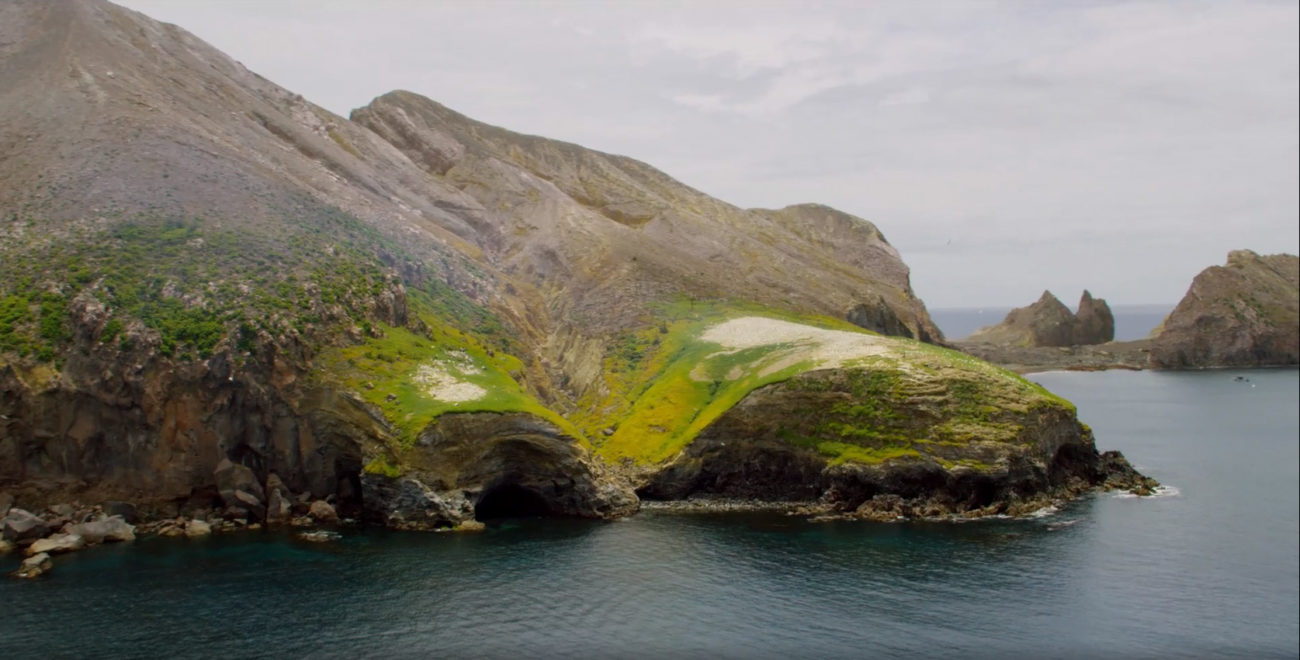
In the Bay of Plenty, New Zealand’s most active volcano fills the sky with plumes of white cloud. Sterile and inhospitable, the forces that built White Island influence the seas around it....

The Kermadecs

Alone in the Pacific, halfway to Tonga, sit the Kermadec Islands. This remote archipelago is New Zealand’s northernmost frontier and our toehold on the tropics. Everything that lives on and around these young islands has travelled far to be here and a unique mix of creatures thrive in its warm waters. As a marine community […]...

Magazine

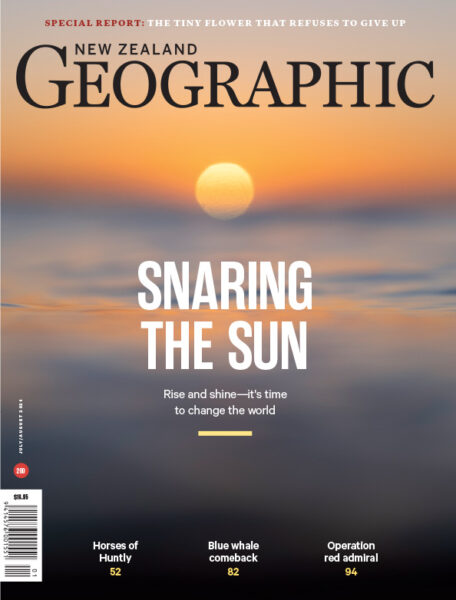
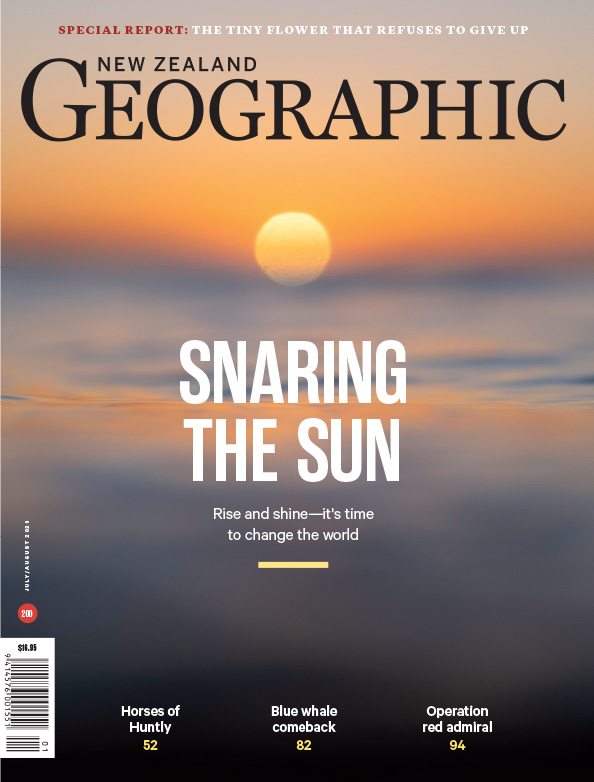
Issue 200

Jul - Aug 2026

Solar power
Horses of Huntly
Forget me not
Whaling
Red admirals

Issue 200 Jul - Aug 2026

Trending

Tongariro is by far the most popular national park in the North Island, attracting tens of thousands of skiers, walkers and trampers every year. The park centres around three active volcanoes: Tongariro, Ngauruhoe and Ruapehu, all of which are considered by local Maori to be sacred ancestors. In 1887 the chief of the local iwi Ngati […]...
Chess in a land of life and death...
I slithered along the gravel through a streamway barely 25 centimetres high, 10 centi­metres of water lapping gently along the centre line of my face. With my head turned sideways, I could breathe only through the top of my mouth by pursing my lips, awkwardly, into a snorkel shape, as freezing water sloshed about my […]...
Fine documentary photojournalists are as rare and as delightful to encounter as any of New Zealand’s endangered species. As this magazine’s art director, I am all too aware of the difficulties that a complex photo-journalistic assignment poses. An instinct that puts a photographer in a certain place at a certain time with an eye for the […]...
You find something, something old, something with a tale to tell. Who do you call?...
The Darran Mountains lie deep in the marrow of northern Fiordland—a chunky, perplexing range of diorites and sandstones, gneisses and granites. This is a land of extremes, with the country’s most remote summits, the greatest rainfall and the longest, hardest-to-climb alpine rock walls. Adventurers have been coming here since William Grave and Arthur Talbot in […]...
Where can the city dweller look for the inexhaustible wild? Perhaps it lies closer than we think, on the flipside of the ordinary, along the unkempt edges of the familiar. An urban green space can become a site of pilgrimage, a place to discover a waterfall by moonlight....
On January 23 1863, the German-born geol­ogist Johann Franz Julius von Haast reached the mountain pass that bears his name; a momentous occasion as he believed his par­ty of five to be the first Europeans to traverse the 564 m crossing....
I grew up with a mainsheet be­tween my teeth, and every sum­mer as the mercury rises, the salinity of my blood seems to in­crease in anticipation of another dousing. There is nothing, in all the world, more satisfying than hoisting a rag, casting off from the tangle of civilisation and sail­ing towards a beckoning horizon. You […]...
Robotic in form and startlingly efficient en masse, ants have outlived the dinosaurs and now scuttle over every major landmass but Antarctica. Humans can learn a lot from these diminutive critters, which communicate using cocktails of exotic pheromones, expeditiously divide labour among thousands, and silently conduct their small and significant lives for the greater good—of the colony and their immediate […]...

Archive

×

Subscribe to our free newsletter for news and prizes