Turning the tide – what it takes to take out rats

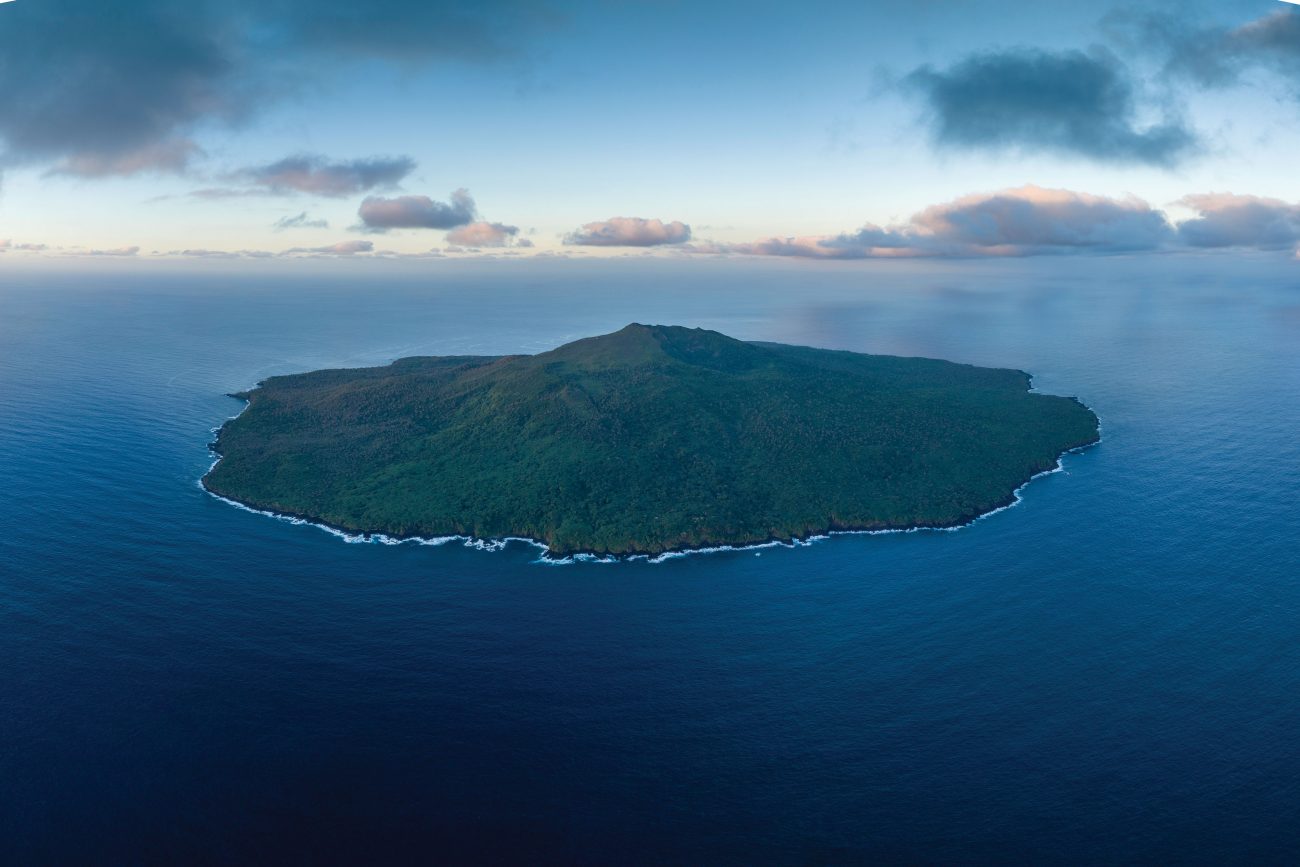
Kate Evans visits a passionate team as they carpet a remote volcanic island in Tonga with poisoned bait, hoping to eradicate rats. What does it take to complete this kind of project, what are the chances of success, and what will it mean for the island’s ecosystems if they manage to remove the rats once and for all?  ...

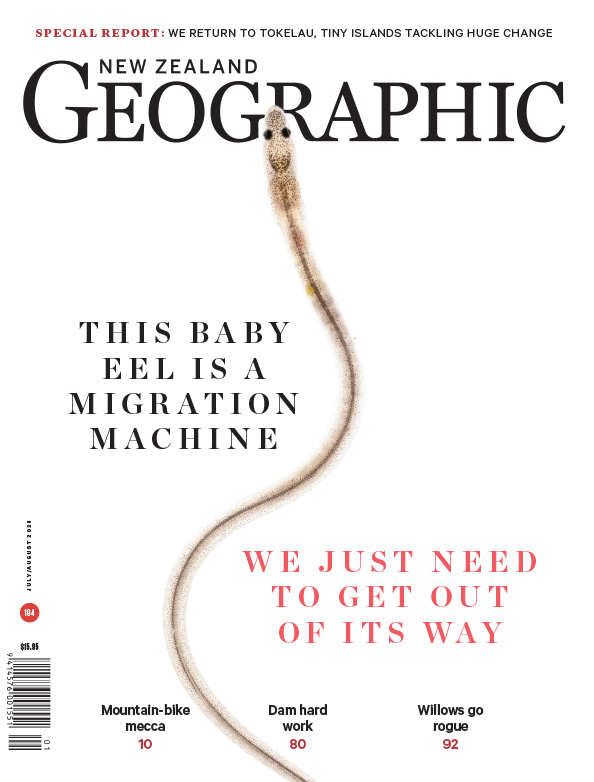
Summer 34 – Three decades of albatross research

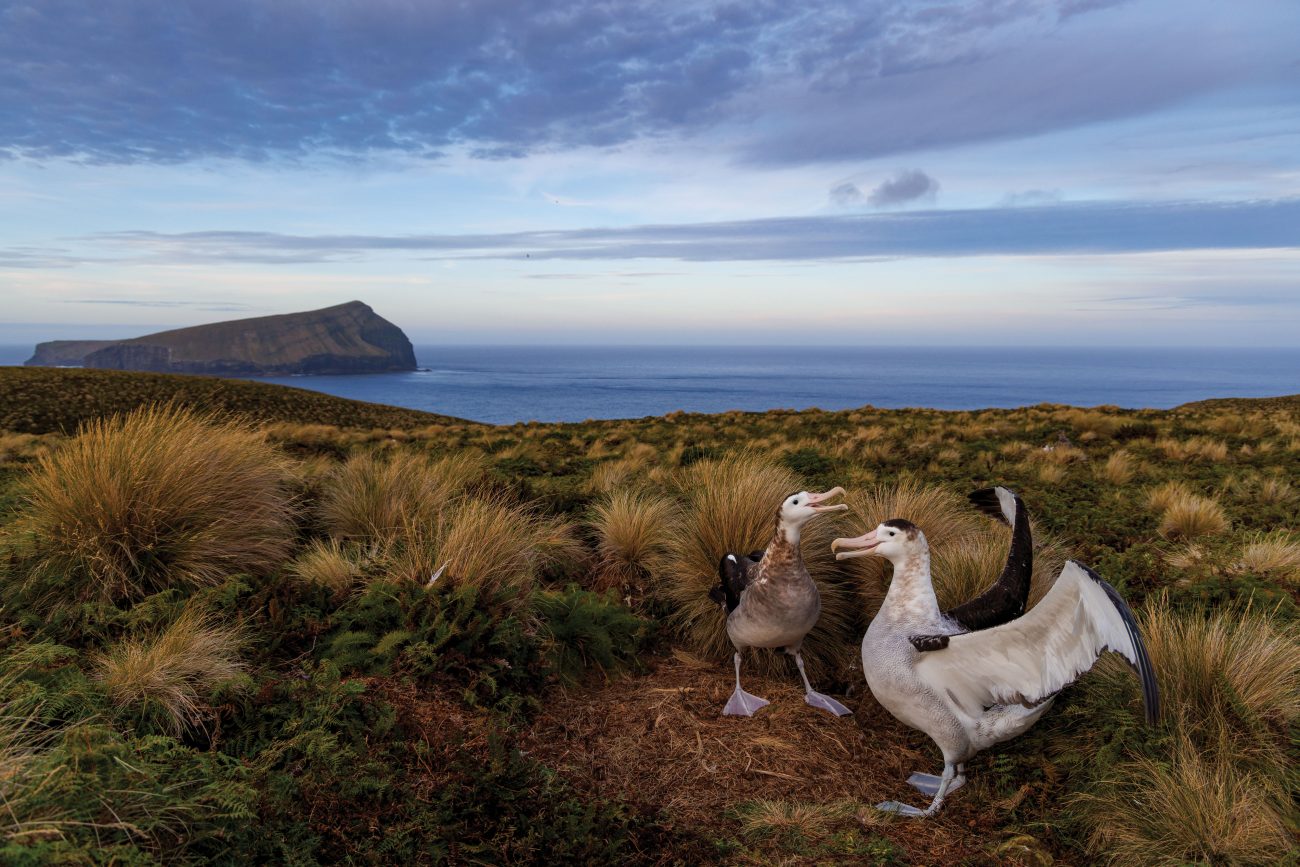
Journalist Rebekah White meets two people who have been counting albatrosses on remote islands in the subantarctic for more than three decades. Their research shows that at least one species is en route to extinction. A few changes to the way we fish could save it....

Taking on water

New Zealand once led the world in marine protection. Now it looks like we will fail to meet our international promise to protect 30% of our ocean estate by 2030. Why is stopping fishing so politically fraught? How might our ideas about marine protection need to change? And why, when our seas are in need, is it taking us so long to learn to talk to each other?...

A tale of two islands

Erect-crested penguins lead largely unknown lives on some of New Zealand's most remote subantarctic islands. A research team travels south to unlock this enigmatic species' secrets....

The stuff of life

What roles do our ocean ecosystems play in capturing carbon? Kate Evans speaks to iwi Māori working to improve the health of an estuary in the Bay of Plenty, and to scientists studying the fiords of New Zealand’s southwest coast. There’s potential for huge amounts of carbon to be locked away, if we don’t mess it up.  ...

Fish out of water

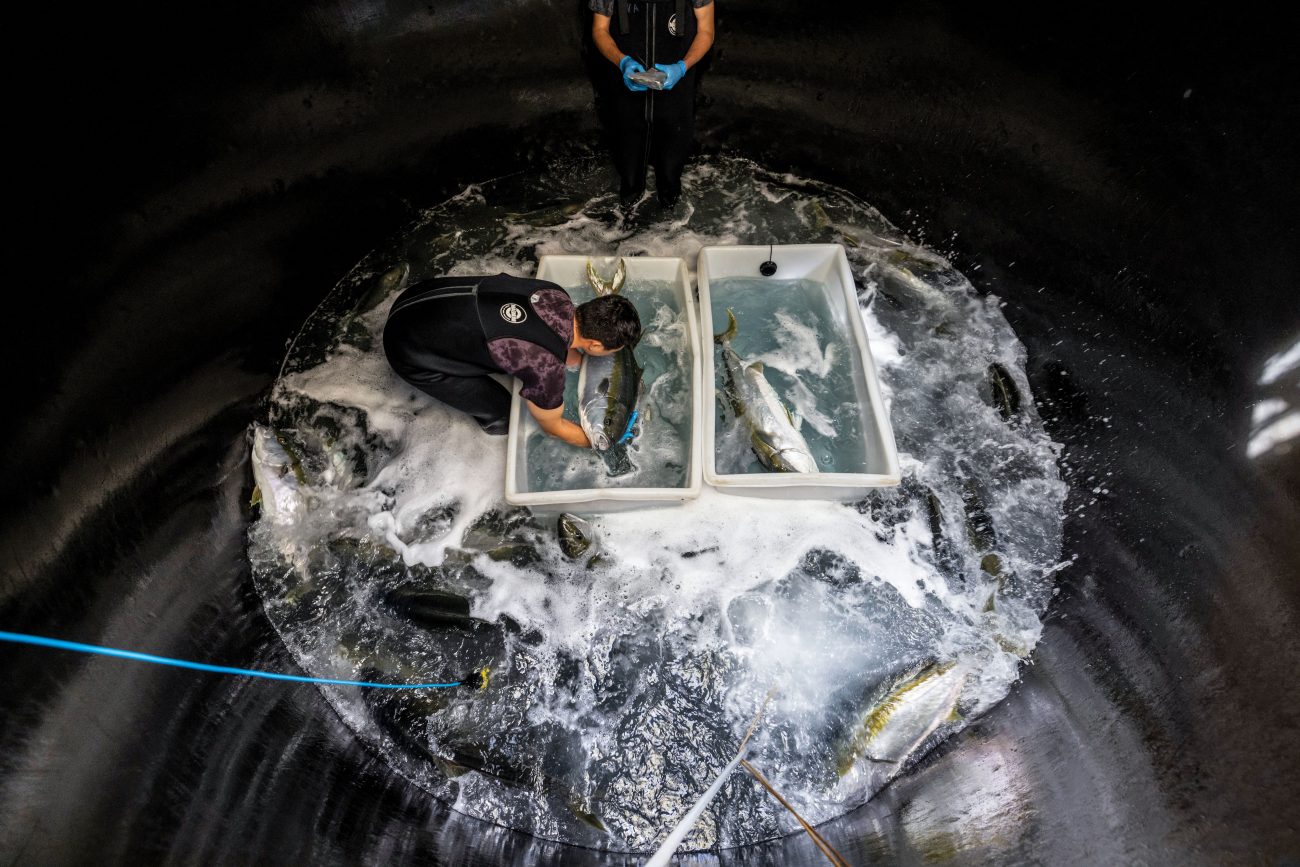
People and livestock gobble so much fish that the seas soon won’t keep up. Is the answer to grow fish on land? Kate Evans meets scientists figuring out the puzzles of how to farm some of New Zealand’s iconic ocean creatures....

Kina-nomics

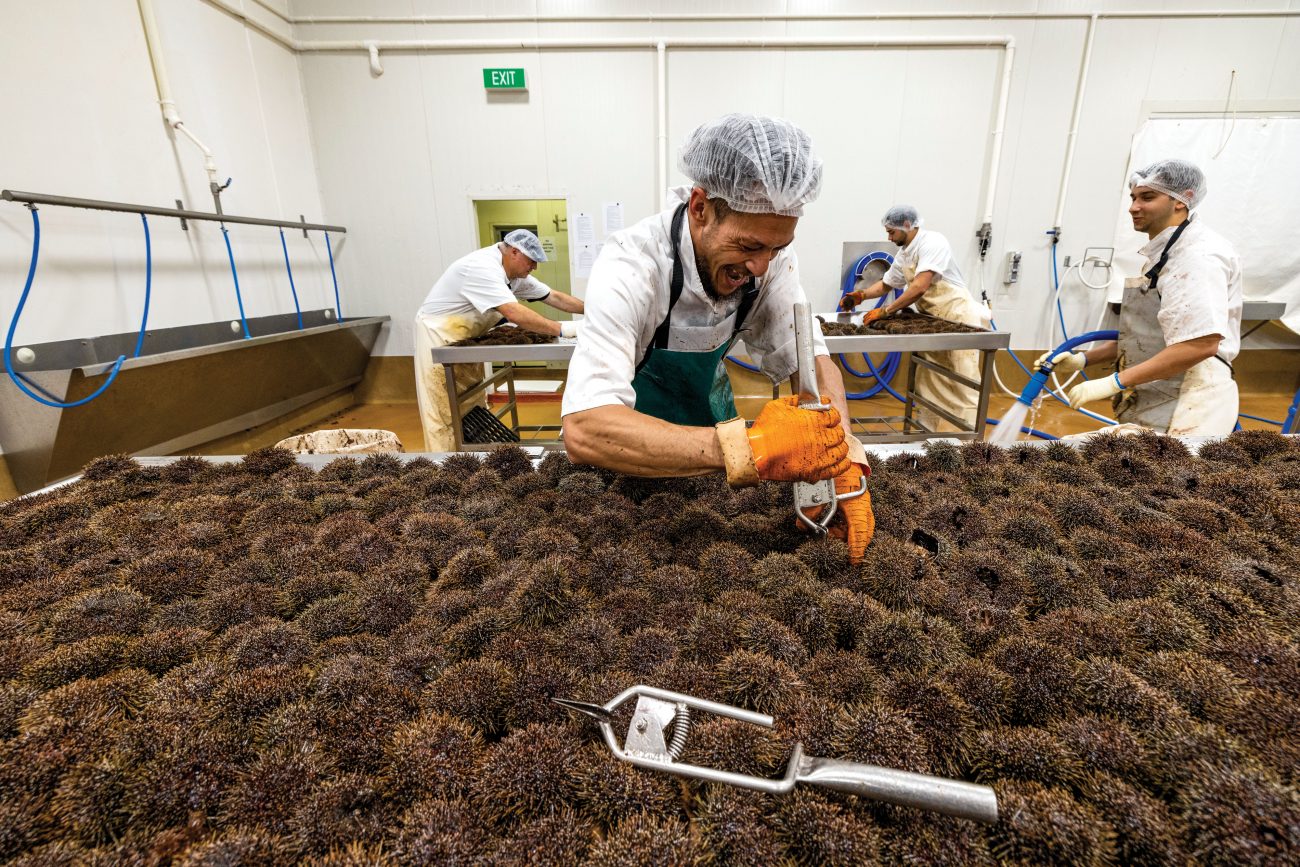
Kina numbers are exploding on some of our reefs, decimating seaweed habitats. Could this problem be solved by eating them? Kate Evans investigates the potential of kina-nomics....

The undersea orchestra

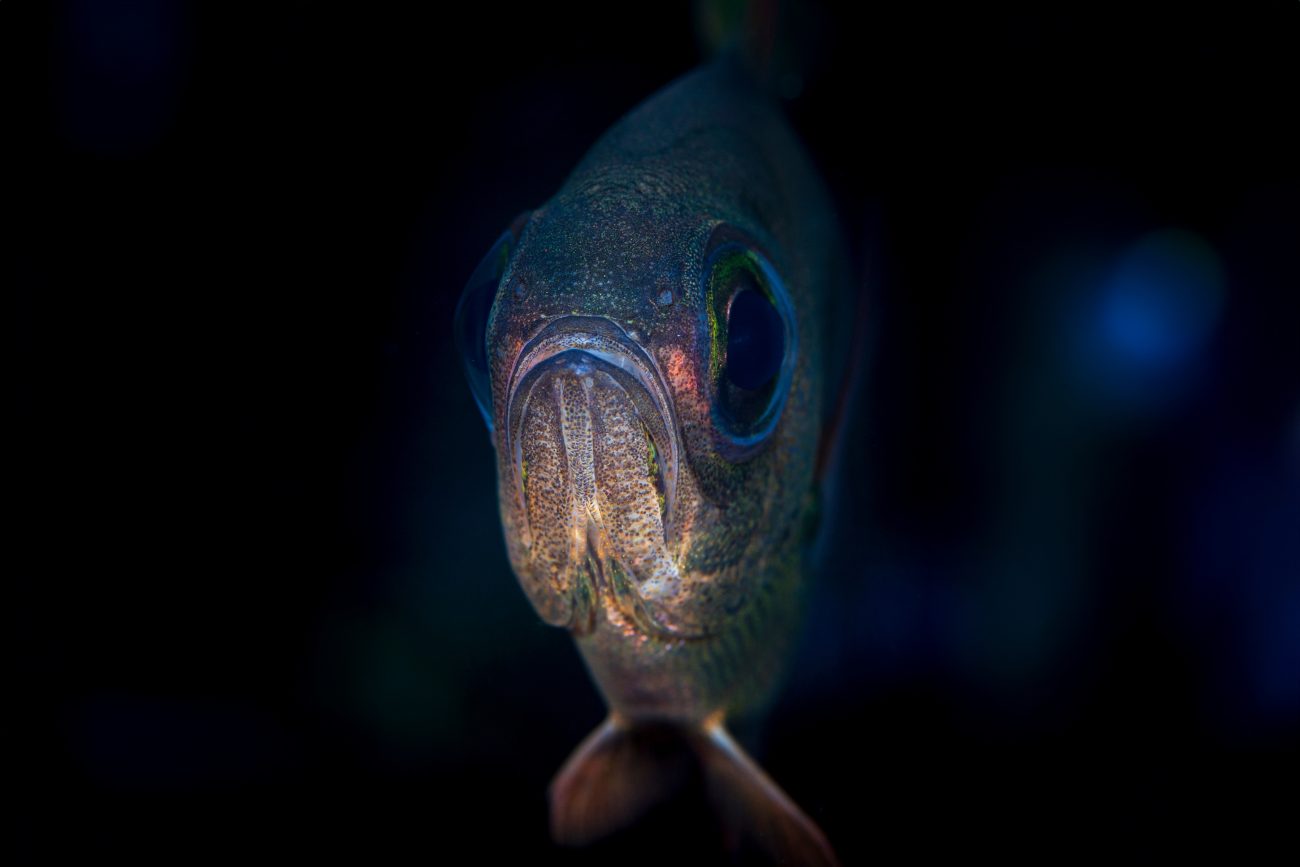
Crackle, pop, woof, crunch, click. In the ocean, an undersea orchestra is in full swing. Journalist Kate Evans discovers who’s playing in it and why, and what happens when human noise drowns out this symphony in the sea. ...

Magazine

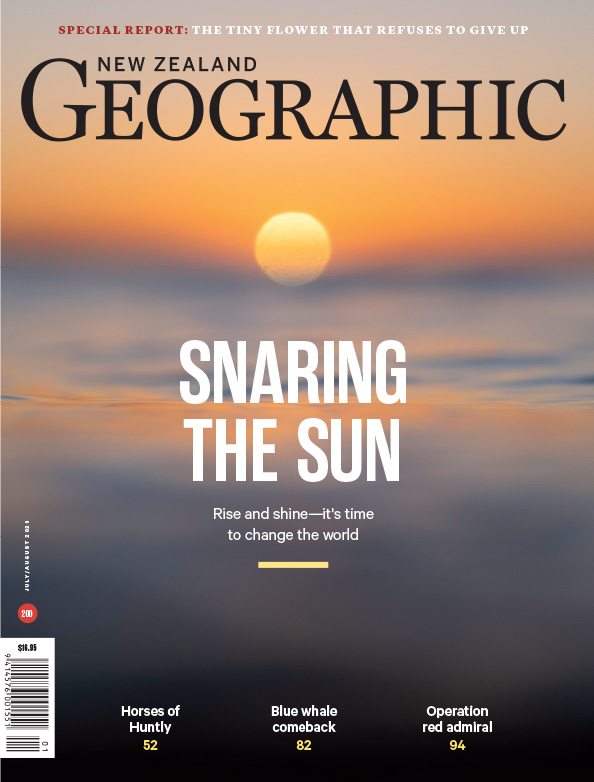
Issue 200

Jul - Aug 2026

Solar power
Horses of Huntly
Forget me not
Whaling
Red admirals

Issue 200 Jul - Aug 2026

Trending

When the forecast is just right, Irene and Crispin Middleton wake up in the middle of the night and put to sea....

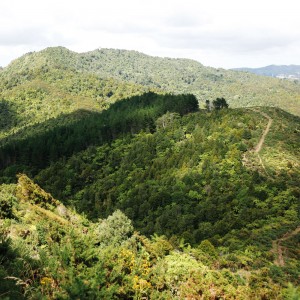
Tararua Forest Park, 2 days...
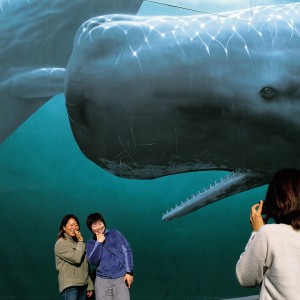
The blast of the harpoon may have given way to the click of the camera, but whales are still the cornerstone of commerce—and the subject of many a decorative mural—in the north Canterbury town of Kaikoura. In little more than a decade, marine ecotourism has transformed a coastal backwater into an international travel hotspot....
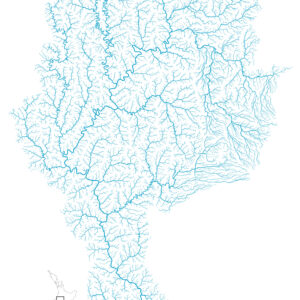
Whanganui is Aotearoa’s third-longest river. It begins on Mount Tongariro and flows 290 kilometres to the Tasman Sea, joined by thousands of small tributaries along the way. Whanganui iwi have long sought legal recognition of their relationship with the river. They petitioned Parliament in the 1870s for protection of their awa. From the 1880s, the […]...
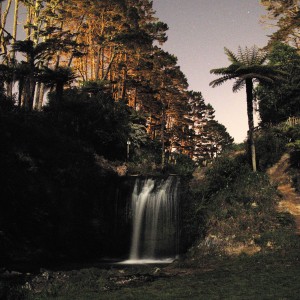
Where can the city dweller look for the inexhaustible wild? Perhaps it lies closer than we think, on the flipside of the ordinary, along the unkempt edges of the familiar. An urban green space can become a site of pilgrimage, a place to discover a waterfall by moonlight....
Anthocyanins, the molecules that turn fruit red and blue, are usually produced at a particular time and for a particular purpose, such as when a plant wants to advertise the fact that its fruit is ripe, or during times of stress. Anthocyanins are particularly power­ful anti-oxidants, those molecules that mop up the free radicals that […]...
Look up! Behold, the architecture of the skies!...
The track goes over Mt Tamahunga (437 metres) the highest accessible summit between Auckland and Whangarei. It’s named for Te Kiri, a Ngati Wai chief who in 1864 rescued 180 Waikato prisoners from Governor George Grey’s nearby Kawau Island estate and brought them here, beyond reach of the British military. The Government demanded that the […]...
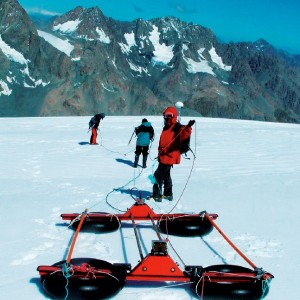
Old snow can tell us a lot about the past. As snowflakes fall, they collect whatever particles are in the atmosphere at the time—dust, volcanic ash, smoke, pollen. Then, as the snow accumulates and turns to ice, it freezes with it a record of what the weather was like dozens, even hundreds, of years ago. […]...
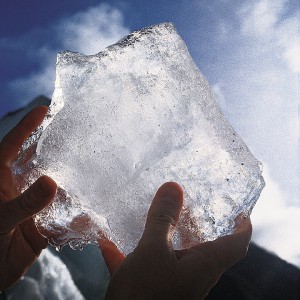
ICE. At one extreme, it is the humble cube which puts the clink in your drink on a hot summer’s afternoon. At the other, it is a major cog in the engine which drives the world’s weather. Further­more, its behaviour over the ages may have played a pivotal role in human evolution. At the heart […]...

Archive

×

Subscribe to our free newsletter for news and prizes