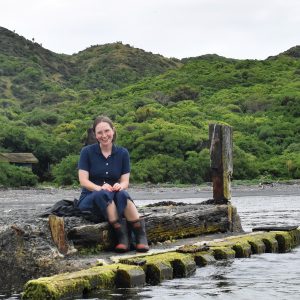
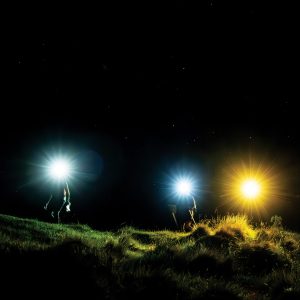
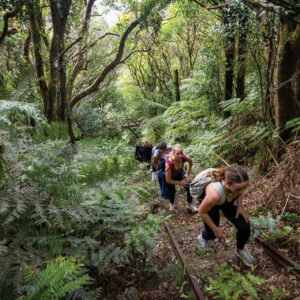
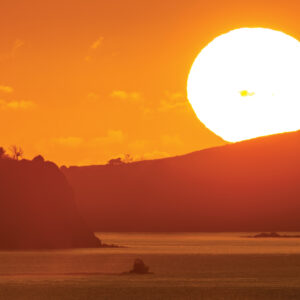
The Cape Reinga-Spirits Bay region of the Far North has great significance for Māori. According to Māori mythology, when the spirits of the dead return to Hawaiki, the homeland of their ancestors, they travel along sacred pathways of the Muriwhenua (land’s end). The dramatic landscapes and seascapes of this area are the inspiration for the following photographs and writings....
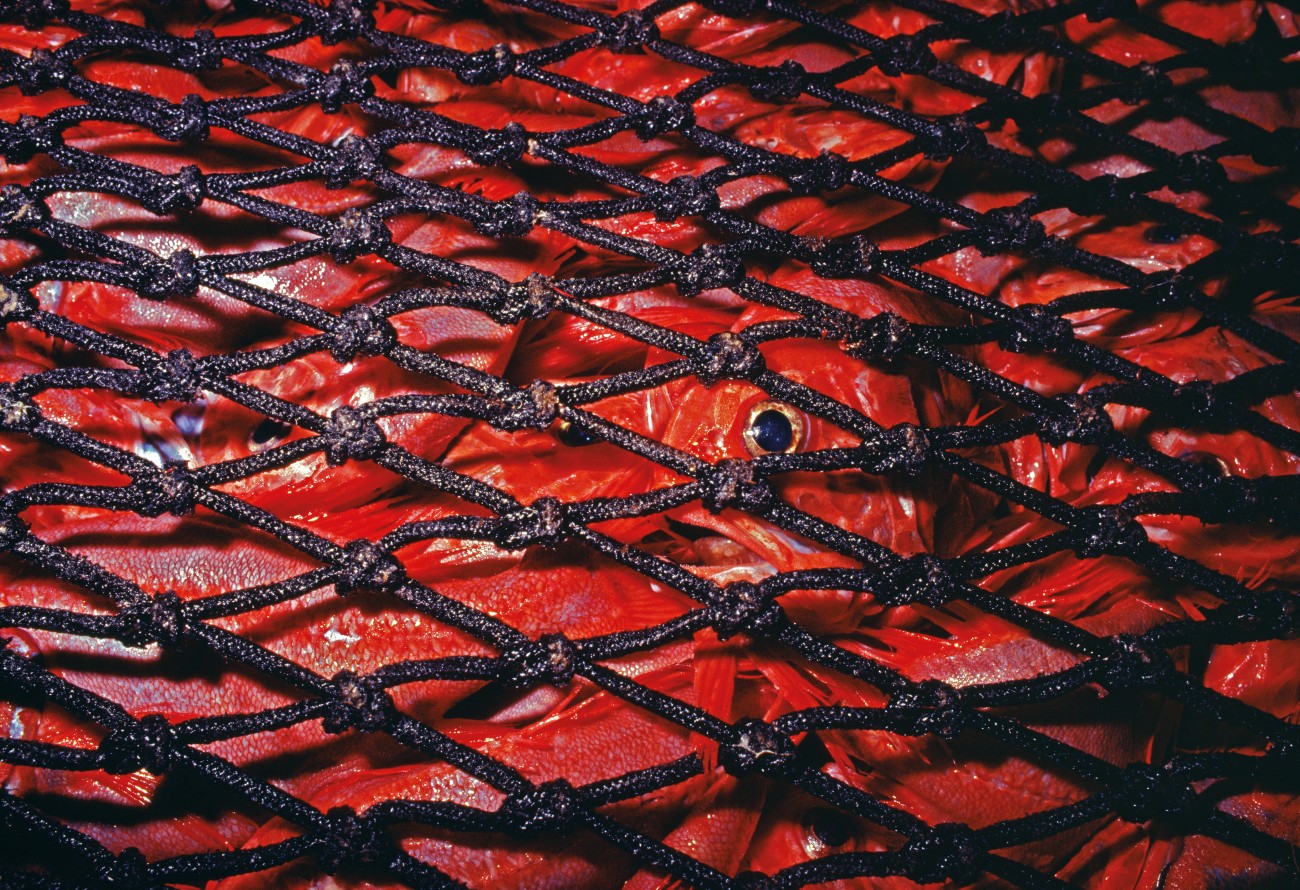
A visit to your local fish shop will only confirm the fine print on the supermarket boxes: most of the fish we are eating these days was unheard of a decade ago. Furthermore, we are now exporting these strange-sounding entities (hoki, alfonsino, orange roughy, oreo dory) all around the globe. Fishing has become a major new industry, but the operation bears […]...
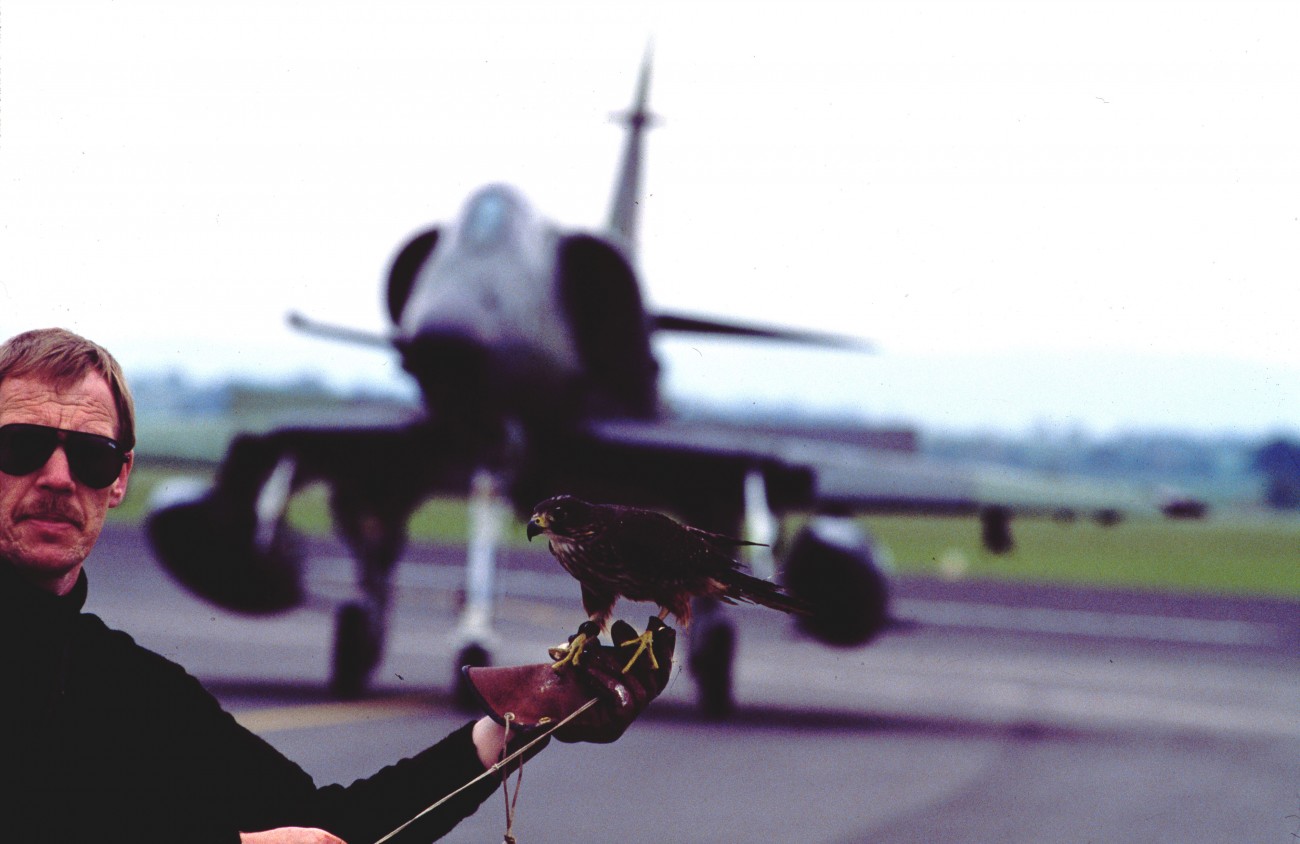
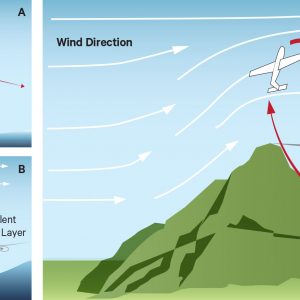
We may have lost our giant eagle, but New Zealand still has two ‘hawks’, one of which is the acknowledged aerobatics supremo....
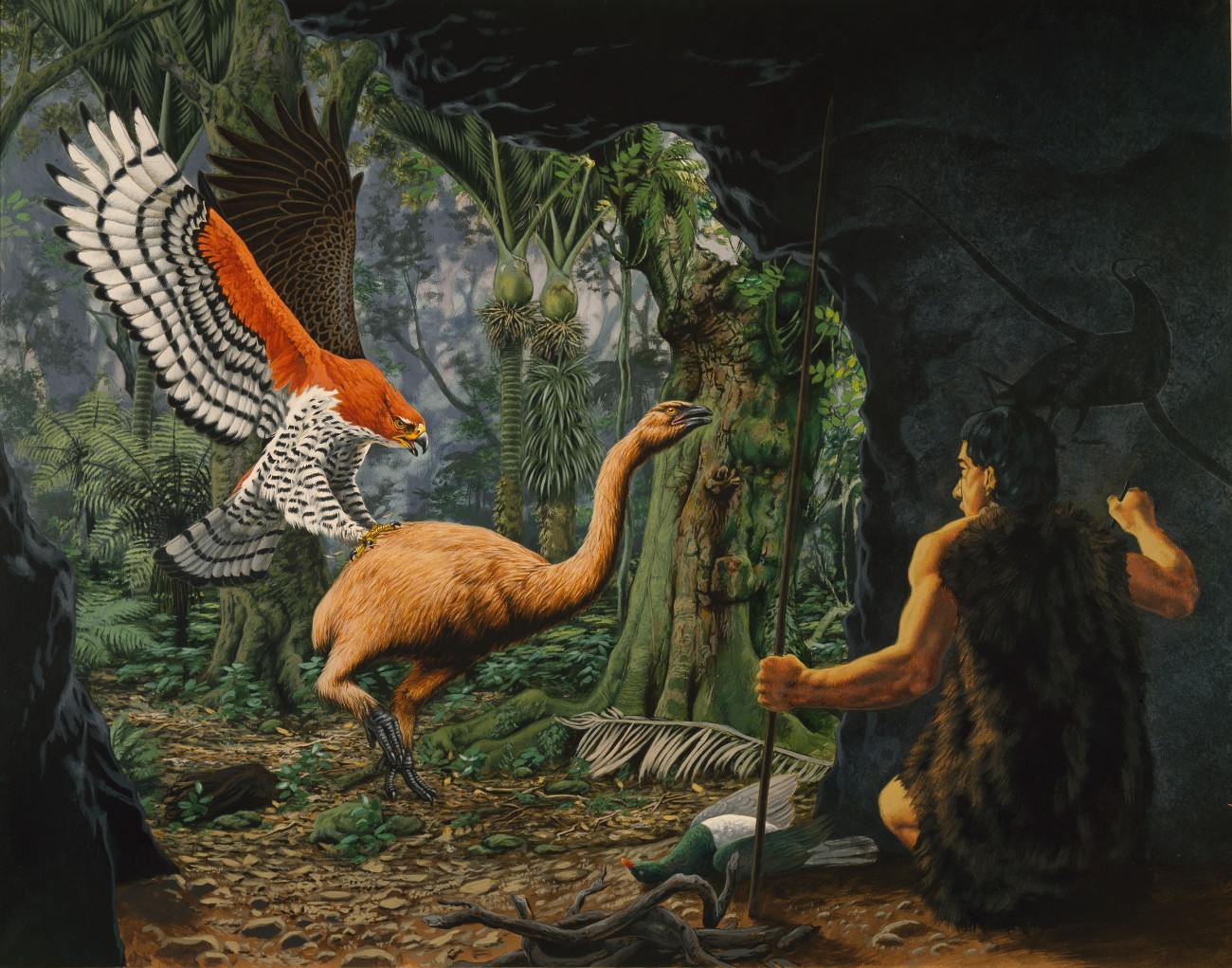
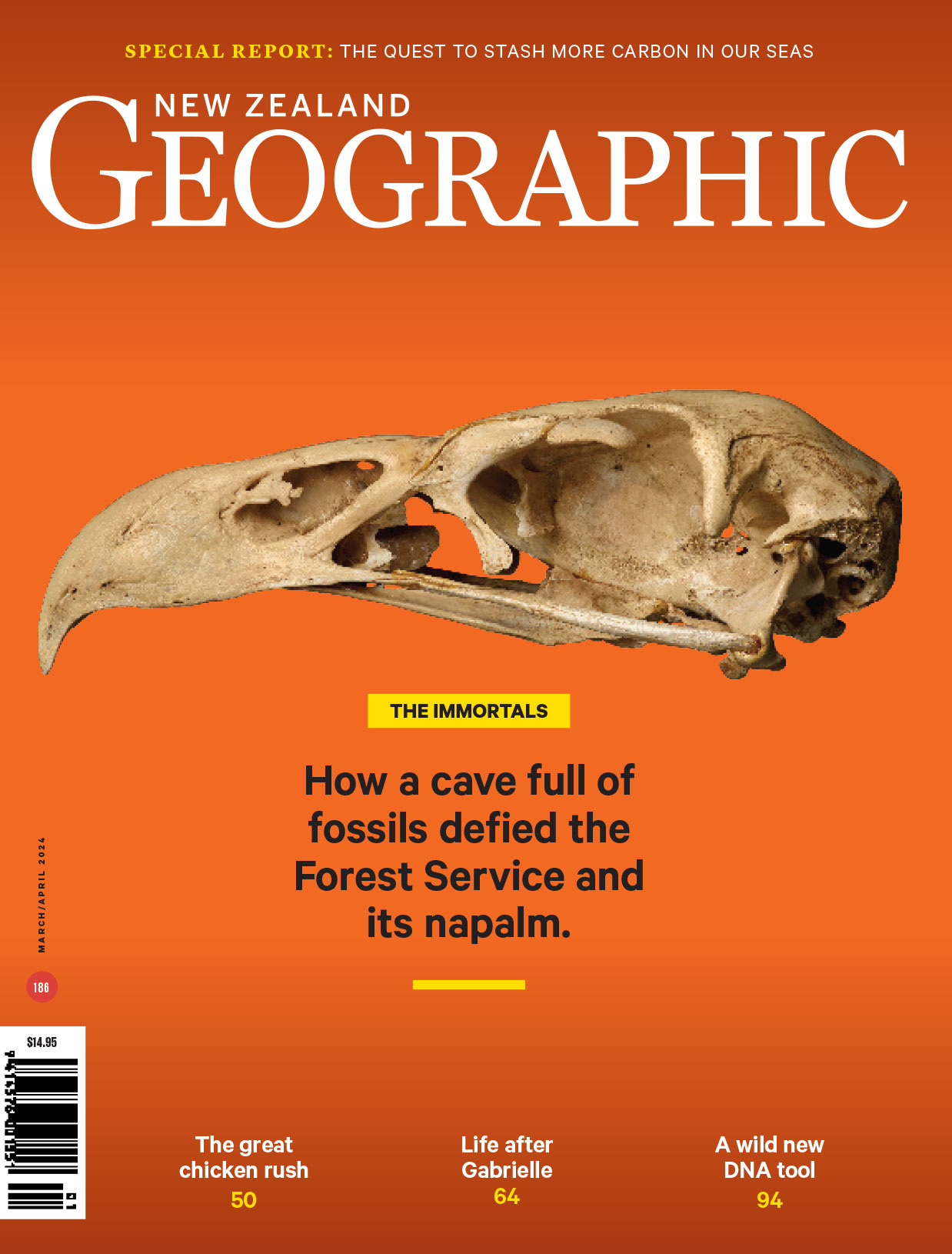
New Zealand’s forests were once the home of the largest eagle in the world. This enormous bird had claws as big as a tiger’s, and could strike its prey with the force of a concrete block dropped from the top of an eight-storey building....
More than half a million New Zealanders have received their schooling not in square classrooms but in housetrucks, boat cabins, caravans and bedrooms. Most have never met their teachers, but all praise the merits of a great New Zealand institution: The Correspondence School....
On 26 April, 1989, Michael Abbott stepped into the surf off Farewell Spit, completing the first full-length traverse of the South Island. In 130 days the 29-year-old architect had walked 1600km, crossed the Main Divide 32 times and climbed 58,000 vertical metres — equivalent to seven ascents of Mt Everest....
“On the first night out of Nelson I was in real trouble,” recalled Warren Judd, writer of our Deep water fishing article. Warren, who describes himself as a professional hangover of the ’60s but is in reality a cell biology lecturer and part-time farmer, was reading the small print on his packet of seasick tablets […]...
One of Westland’s most dramatic engineering marvels, the Denniston Incline, is the main feature of Westport’s coalmining museum, Coaltown. In 1859, surveyor John Rochfort first discovered coal in a small creek 14km north of Westport. However, it was not until 1860 that Dr Julius von Haast found seams of prized bituminous coal high on the fog-shrouded […]...
During late spring and early summer the night sky appears to be rather featureless. In the west the brilliant riches of Scorpius and Sagittarius have disappeared, while in the east Orion, lord of the summer sky, is just rising, and the inverted Southern Cross is scraping the southern horizon. The pattern of stars forming most of […]...
Here is a timely insight into one of the most extraordinary birds which have ever lived. Once thought to be an evolutionary ‘missing link’ between owls and parrots, the kakapo is fighting a losing battle against the forces of habitat change and predation. Fewer than 50 birds are left: a few on Little Barrier Island; […]...