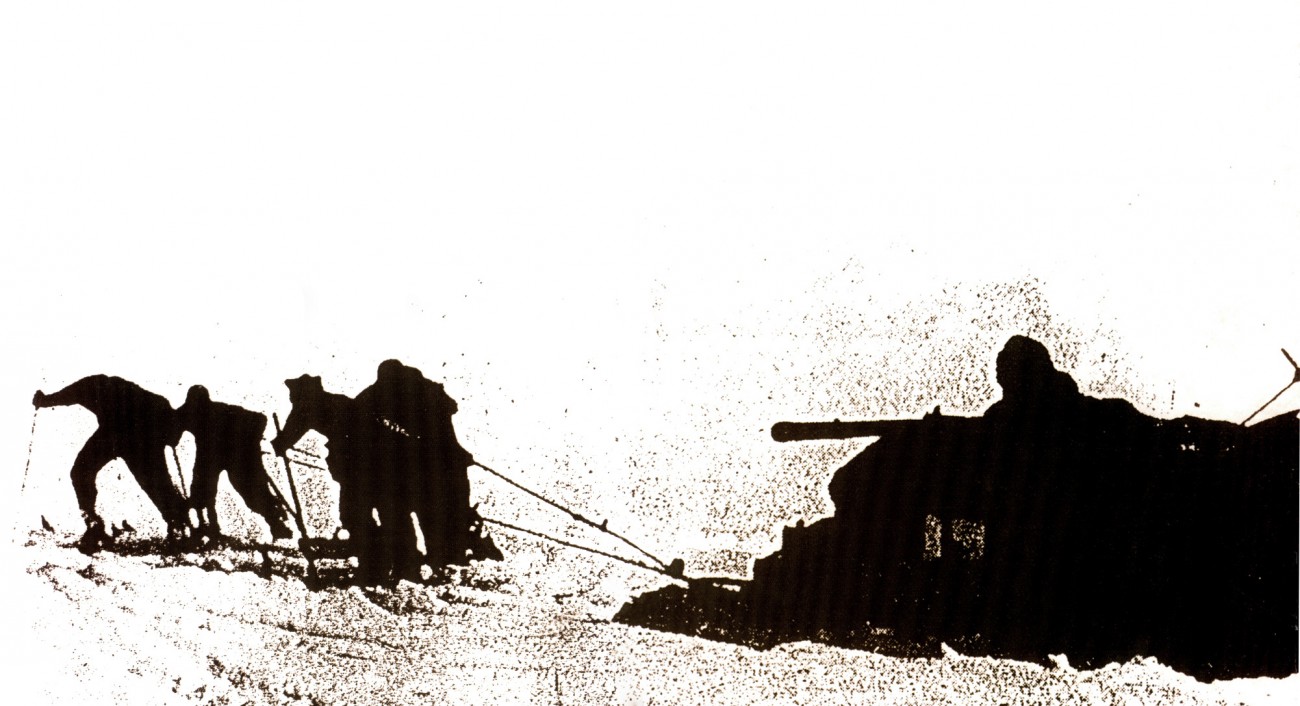
The explorers who set out to conquer Antarctica at the beginning of this century didn’t know that it was the highest, coldest, driest and windiest continent on Earth—just that it was the last great frontier, and likely to test the mettle of any man courageous (or foolhardy) enough to venture upon its icy domain. When […]...
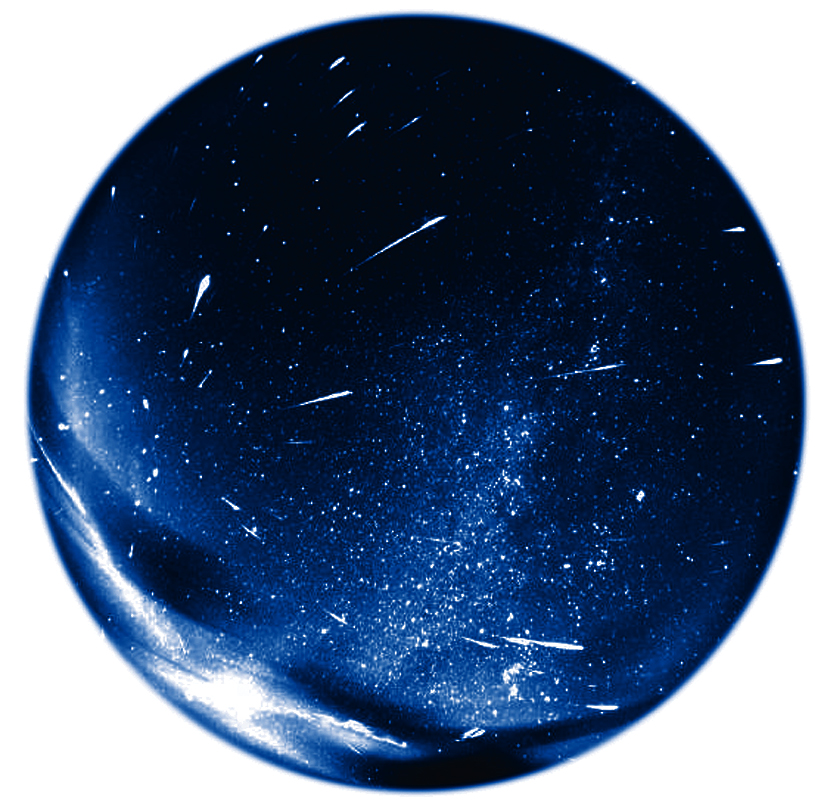
From a meteorologist’s point of view, the most significant change in the past 10 years has undoubtedly been the way technology has increased the amount of data available for describing the state of the atmosphere, with a corresponding increase in our power to predict what the weather will do next. Weather satellites now transmit images […]...
In 1993, when New Zealand Geographic was celebrating five years of publication, the magazine produced a lengthy feature on Pinus radiata, “the prince of pines.” Among the many issues covered was a consideration of the pine “monoculture” that makes up most of this country’s forestry stands. Critics such as Albany nurseryman Graeme Platt denounced our […]...
It is now well established that the Earth’s climate and weather are controlled by the interplay between the atmosphere and oceans. We know, for example, that a redistribution of heat in the oceans of the tropical Pacific during an El Nifio Southern Oscillation (or ENSO) event—or its opposite twin, La Nifia—affects the weather and climate of […]...
Oceans cover 70 per cent of the Earth’s surface. Ocean-based ecosystems are a major food source, ocean seafloors are expected to be the major source of new resources needed in the new millennium, and ocean chemistry and current systems are as important as the atmosphere in controlling the world’s climate. Yet the oceans, particularly the ocean depths, are the least known part […]...
I came across this Latin phrase in 1995, when the magazine was preparing to publish a story on the life of William Herbert GuthrieSmith—Hawkes Bay sheep farmer, naturalist, writer of the acclaimed Tutira, voice for the land. The words were part of a coat of arms imprinted on a piece of Guthrie-Smith’s crockery. They mean […]...
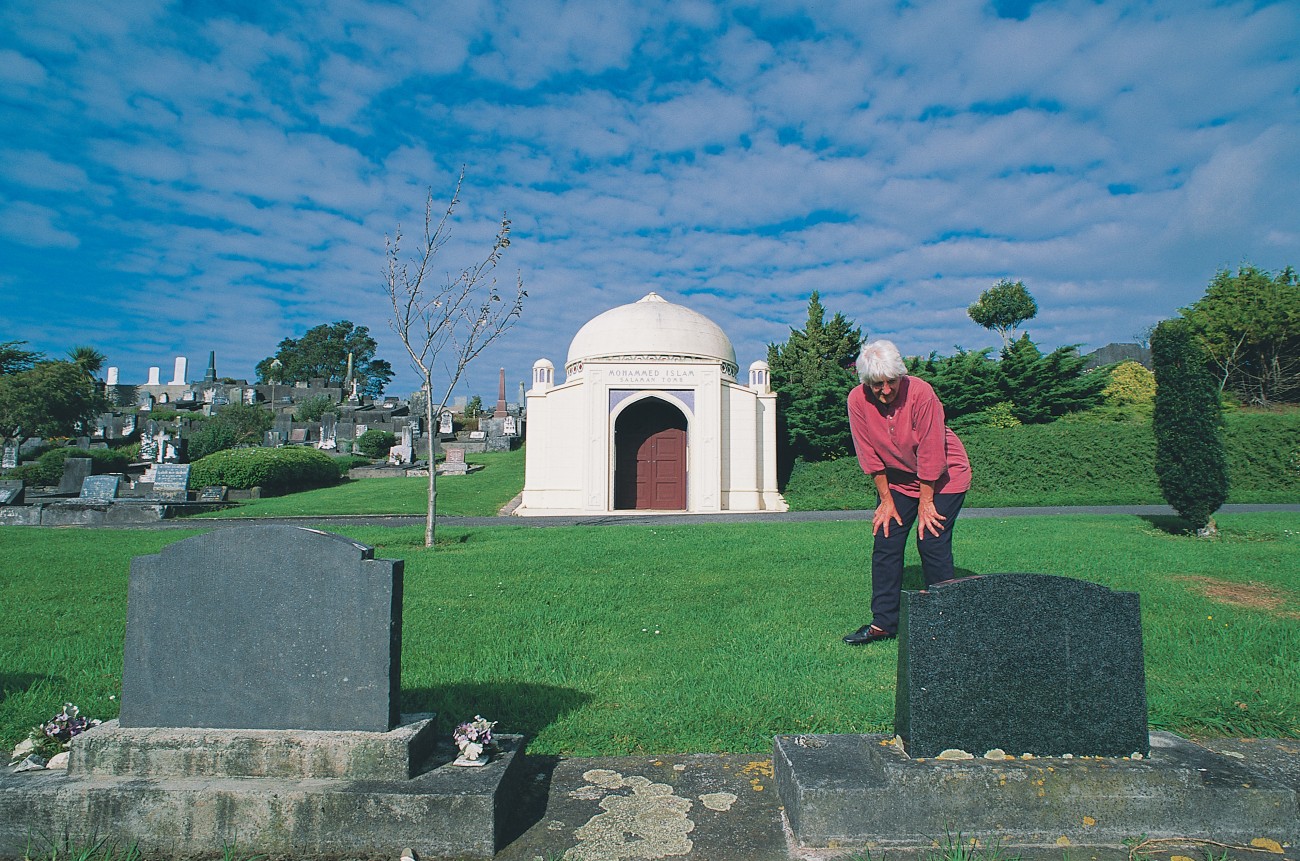
Dr Orange and the Dictionary of New Zealand Biography....
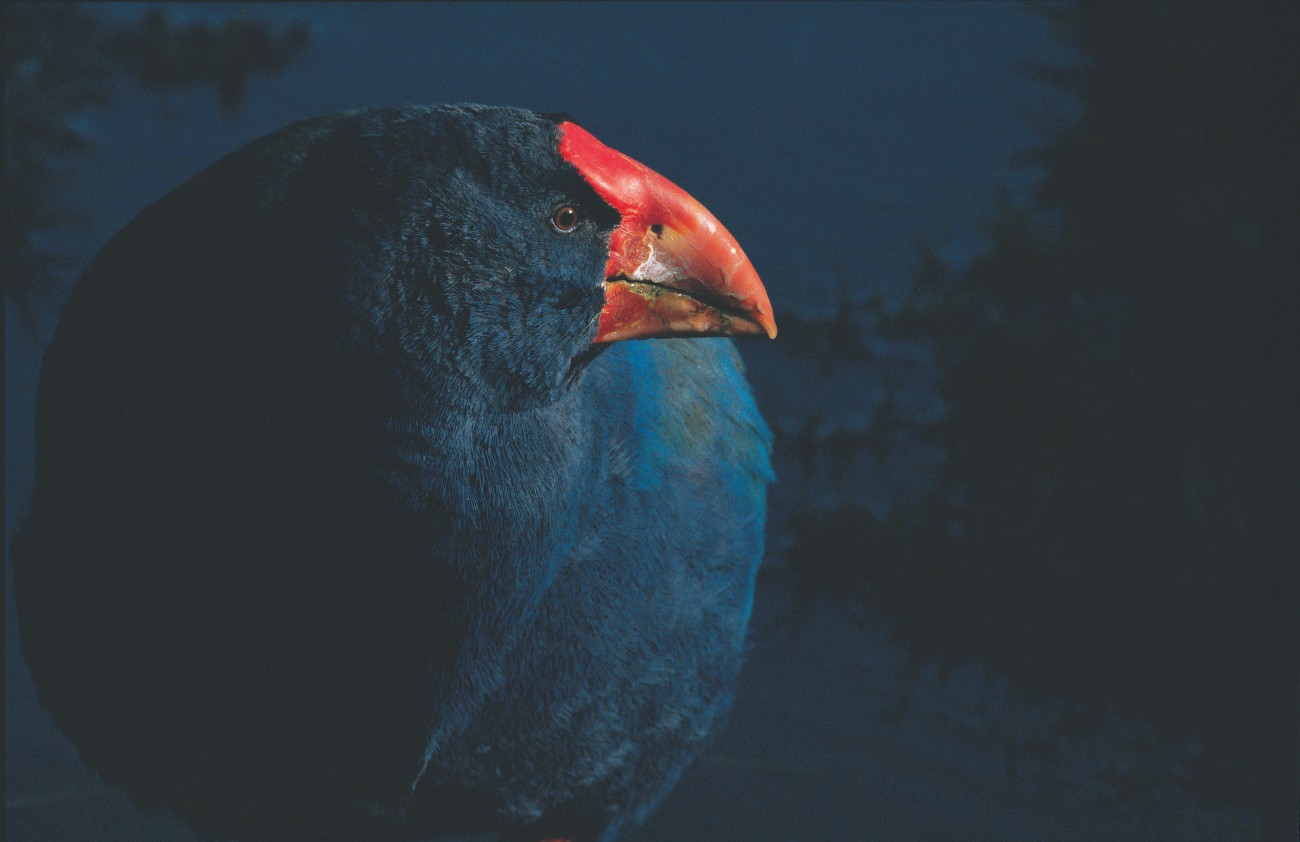
When Dr Walter Mantell formally described a large, attractively-plumaged new species of rail in 1851 from only the second specimen captured, he wrote: “It is unlikely that any further living specimens will be found.” Indeed, only two further individuals were taken last century, and the bird was officially considered extinct for 50 years—until an Invercargill […]...
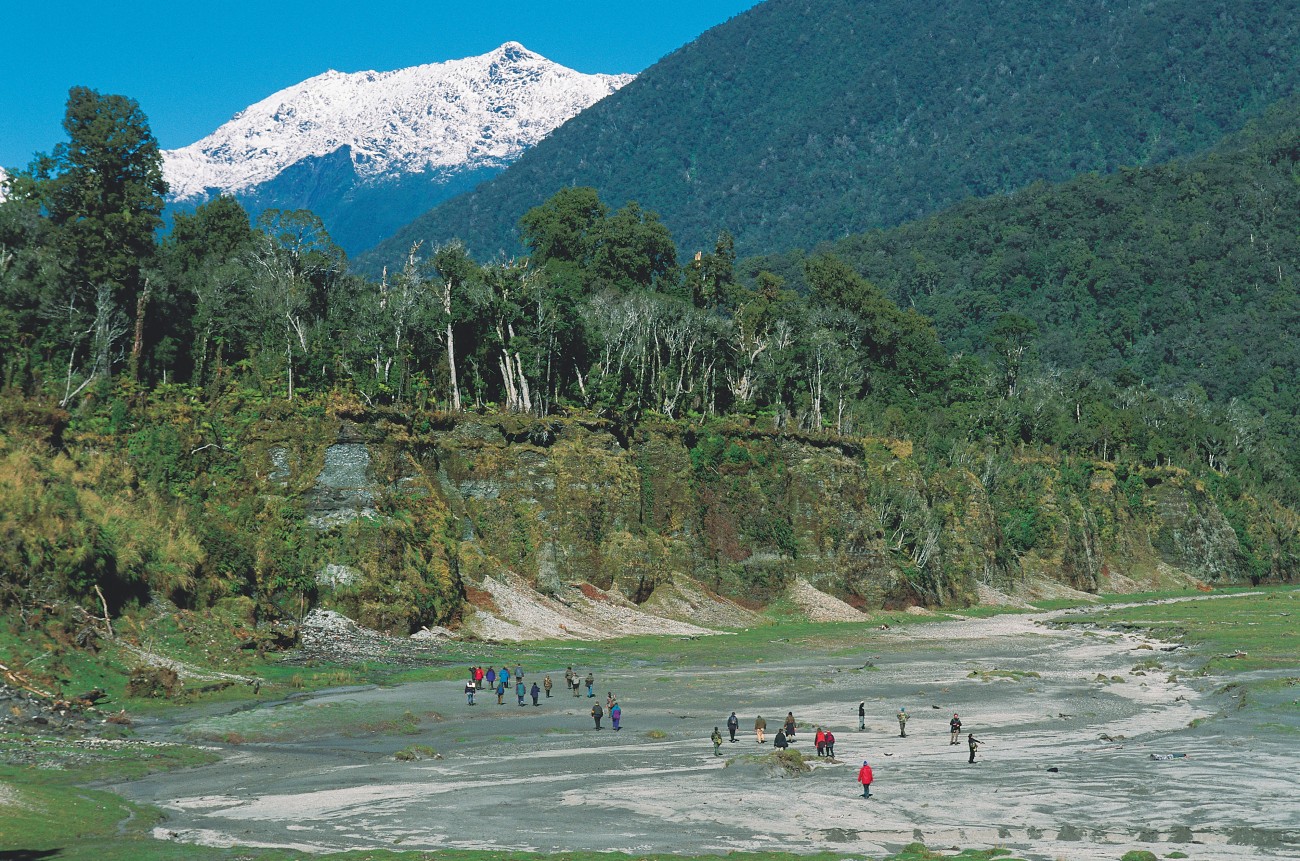
Drenching rain, lush forests, rivers that regularly inundate the land, even sandflies and that fierce human independence bred by isolation—all that is the West Coast can be traced ultimately to the towering presence of the Southern Alps. Yet from a geological perspective these mountains are mere outward symptoms of greater things happening beneath the ground, […]...