A tsunami hit New Zealand on June 23, 2001. Gauges in the Chatham Islands detected a sudden 55 cm rise in sea level, and several hours later mainland New Zealand recorders noted a 30 cm rise. Warnings had been transmitted from the Pacific Tsunami Warning Centre in Hawaii, so New Zealand seismologists knew the wave […]...
A fungus responsible for decimating amphibian populations around the world has struck one of New Zealand’s rare native frogs. Researchers working in the Coromandel Range have found a dead Archey’s frog with skin lesions, suggesting that it died from a chytrid fungal infection caused by Batrachochytrium dendrobatidis. Chytrid fungi are found mainly in fresh water, but […]...
The silken web is as much a signature of spiders as are eight legs and an abundance of eyes. When we wrote about all things arachnid in the 10th issue of New Zealand Geographic, we noted that the silk which spiders spin is much more elastic than nylon, and that it has been considered a […]...
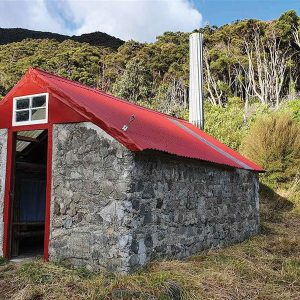
Empress Hut, perched on the western flank of Mt Cook, is one of more than 1000 huts peppered throughout the New Zealand back country. But how secure is this heritage in the face of difficult economic times?...
Gypsies, tramps and thieves—in some measure, New Zealand’s swaggers were all of these things. They were opportunists in a society that idolised hard work and conformity. Their vagabondage earned them few friends and little respect, but—like our cheeky alpine parrot—they added a dash of colour to rural life....
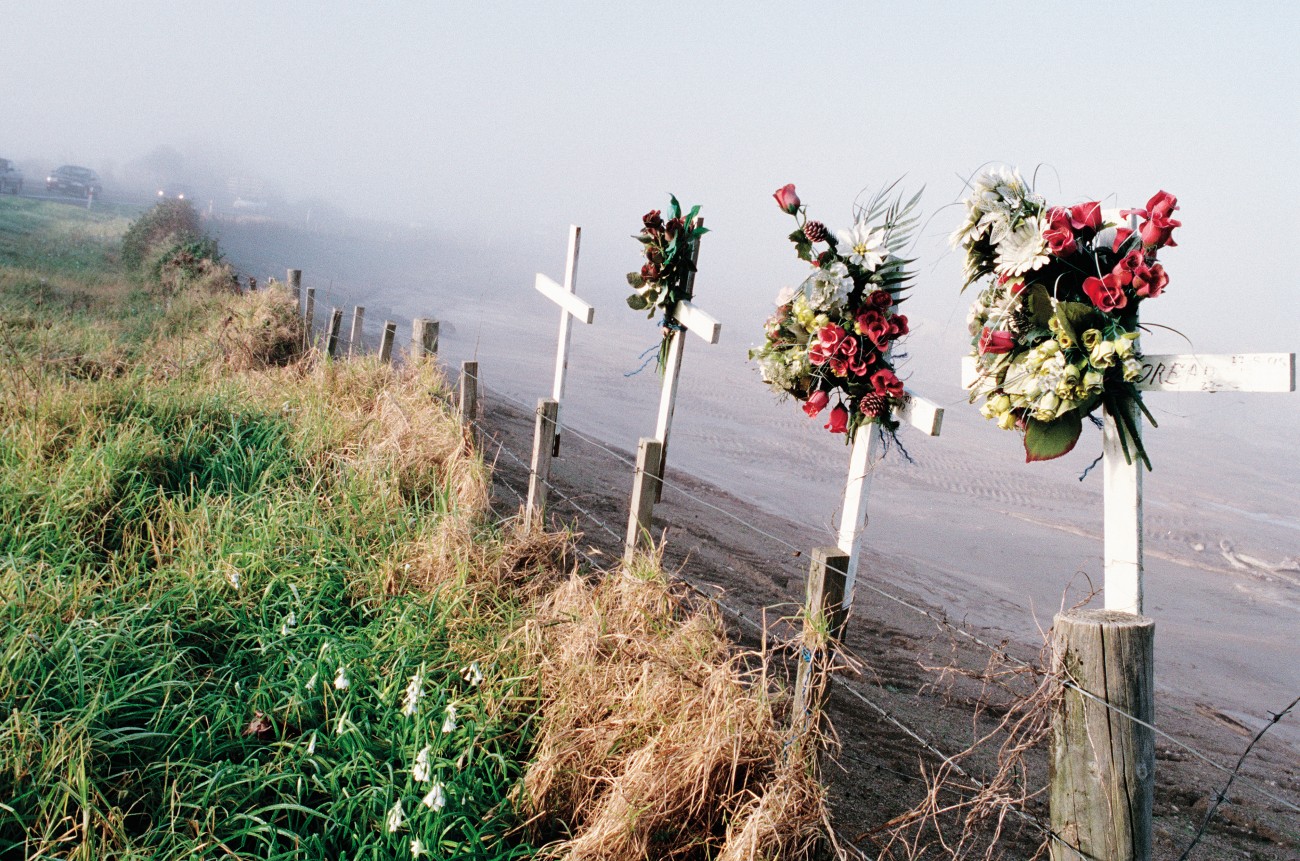
Ten years have elapsed since a successful and pervasive road-safety campaign began in New Zealand—not on television or radio or in the press, but by the side of the road....
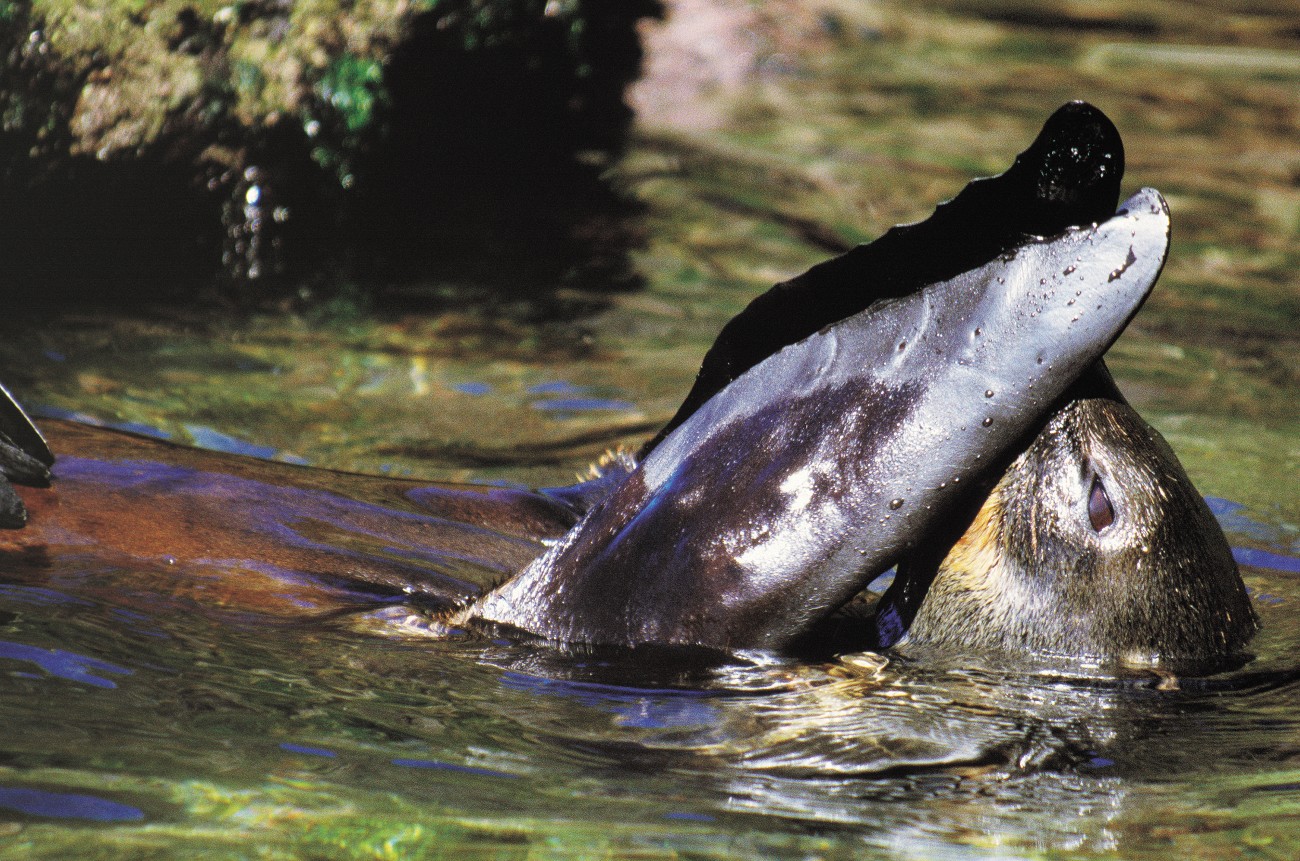
Despite being hunted to the edge of extinction in the 19th century, New Zealand fur seals seem to be making a modest recovery. Although the animals are still sparse around most of the North Island, several South Island rookeries are increasing in size, making some fishers nervous at the prospect of increasing competition from these […]...
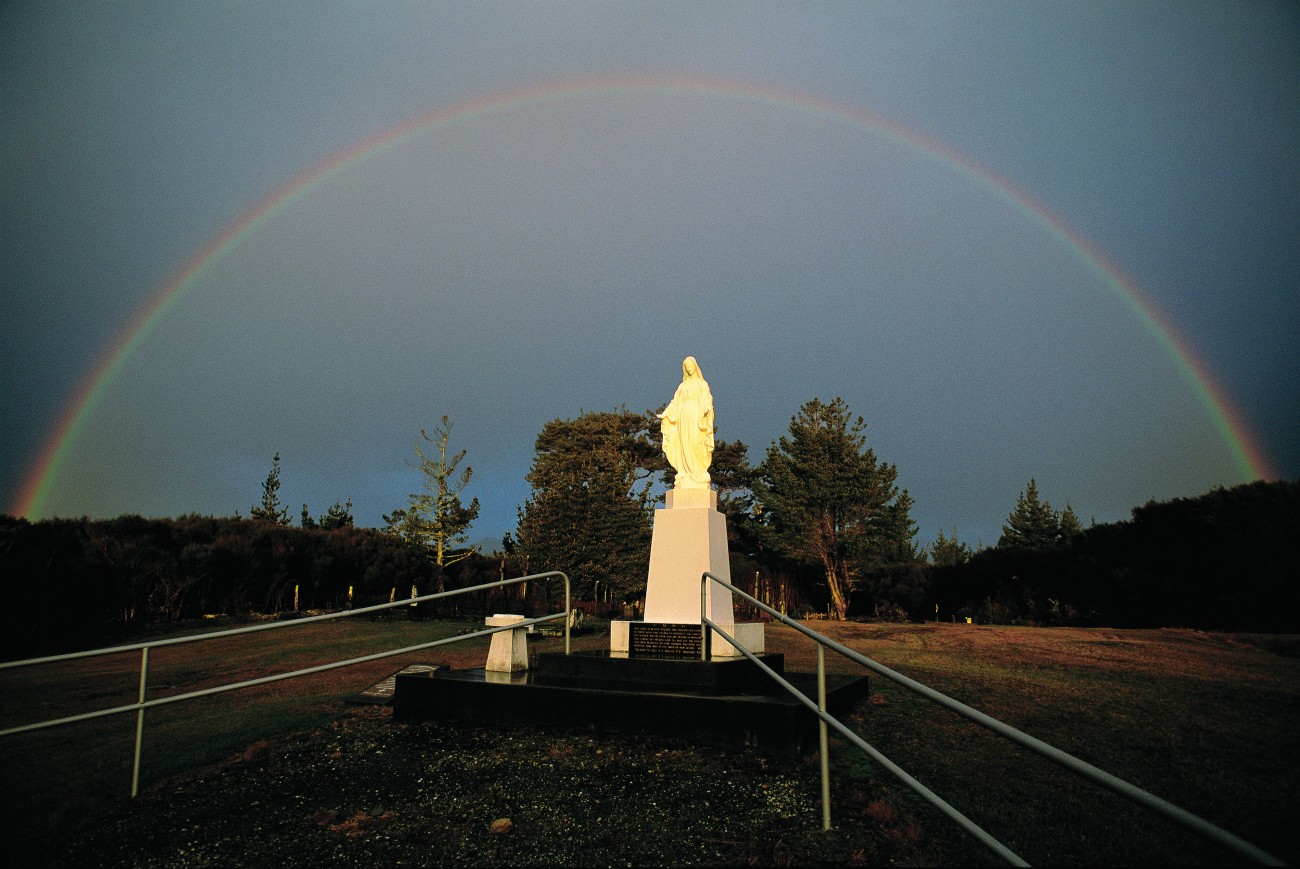
Last century, hope of a better life drew many Irish, among them a strong contingent of Catholics, to New Zealand, and the religion they brought has taken root and flourished here, becoming a pillar of New Zealand society. Catholics are the second most numerous Christian group in this country, and if present trends continue, before […]...
The two lows that crossed central New Zealand in the second week of October brought much-needed rain to many areas suffering from drought. Blenheim Airport received 94 mm of rain over six days, when the average for October is only 66 mm. In September, Blenheim Airport had just 11 mm of rain—the third-lowest September rainfall on […]...