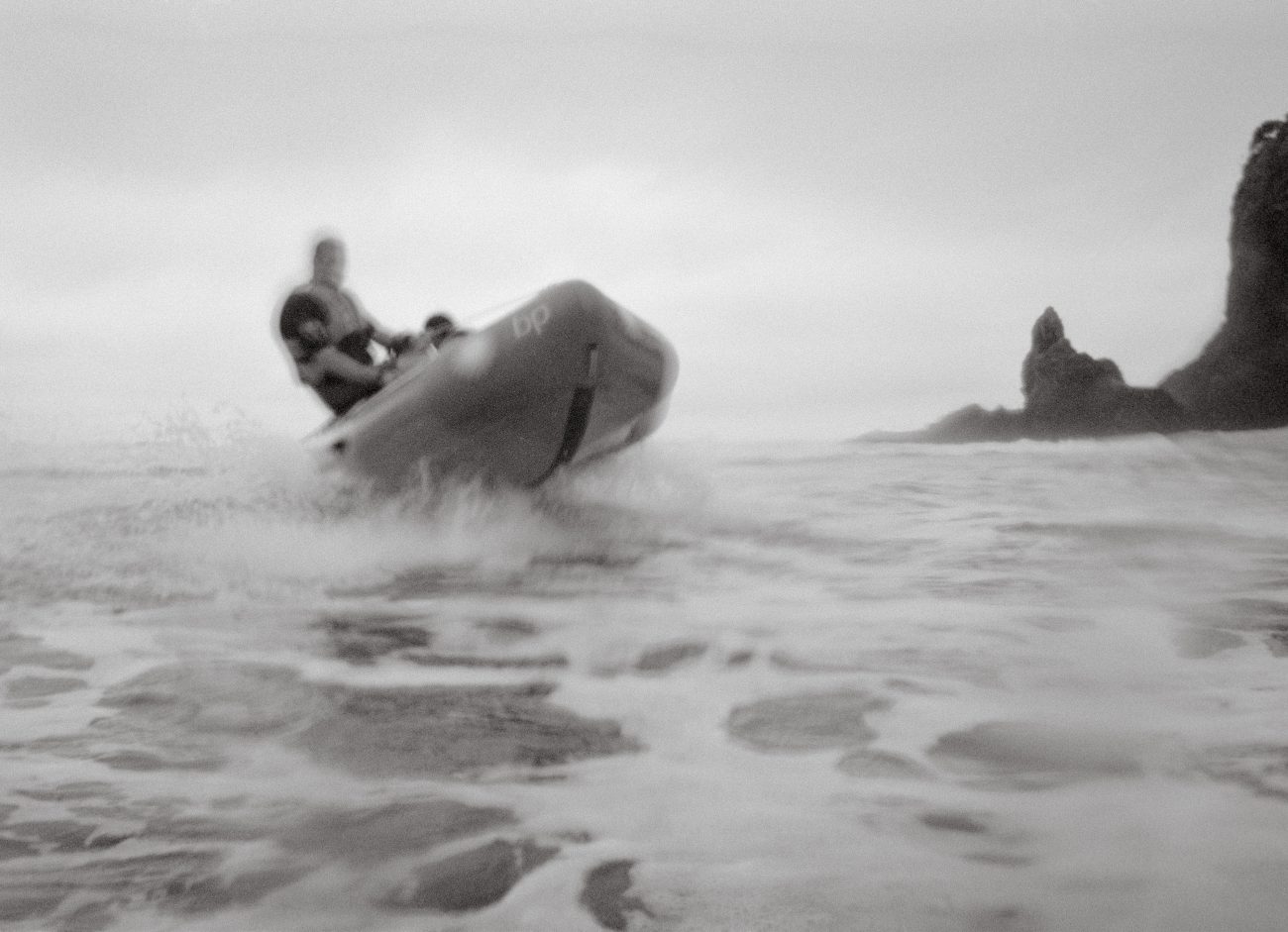
Powerful waves, jagged rocks, black sand and spectacular scenery. Piha, on Auckland’s west coast, is a magnet for beachgoers with a taste for the dramatic. But the currents are treacherous, and each year 200 swimmers owe their lives to the vigilance and courage of Piha’s lifeguards....
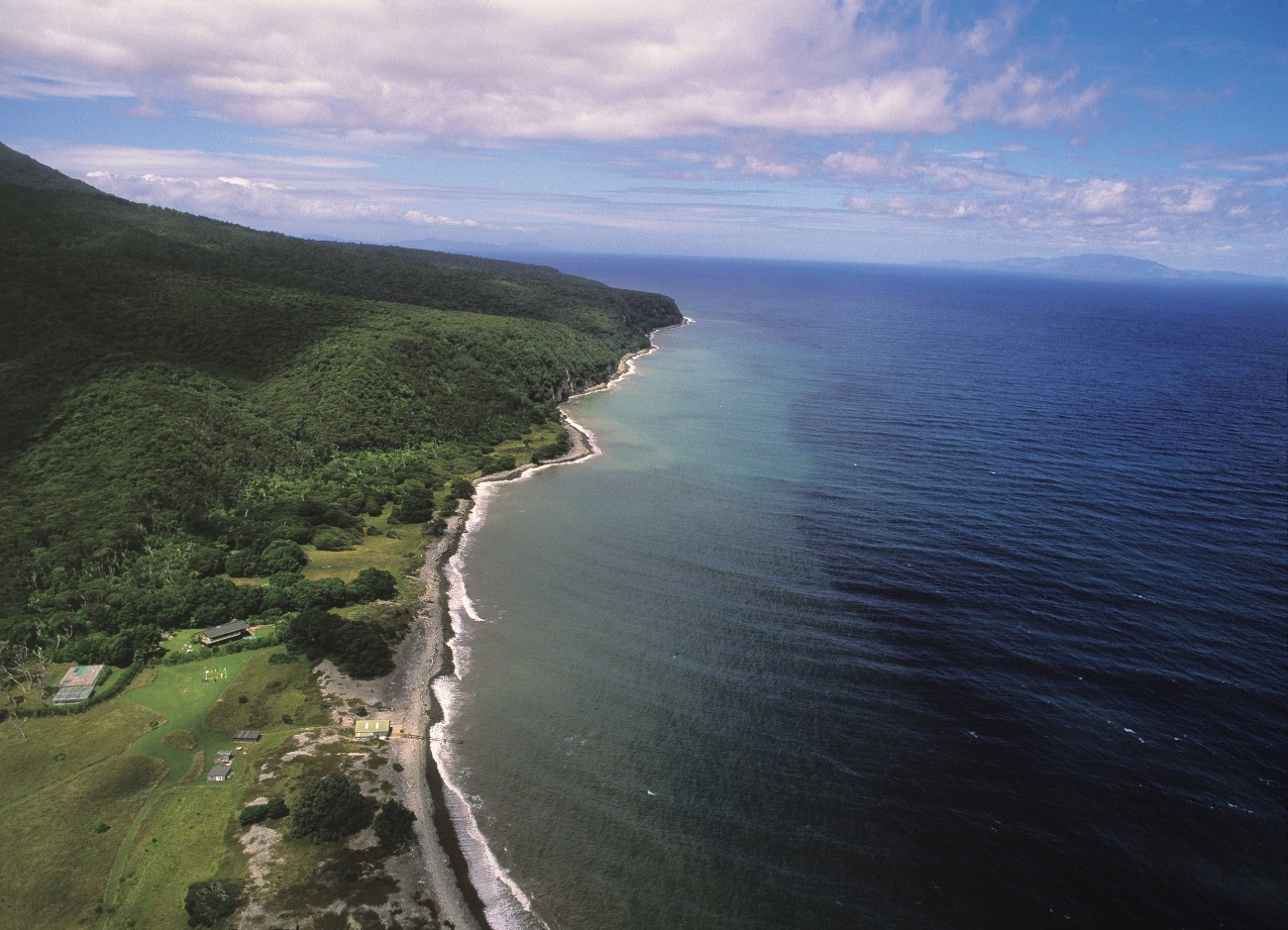
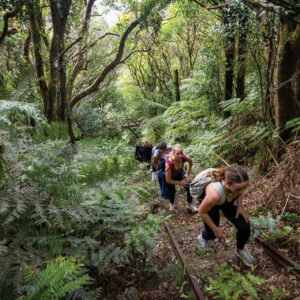
Mountainous, densely forested and bounded by cliffs and boulders,Little Barrier Island (Hauturu) crouches in the outer reaches of the Hauraki Gulf, a relic of a wild New Zealand now largely vanished. Set aside as a nature reserve over a century ago, the island houses a matchless cargo of wildlife inhabiting an unusual diversity of forest types....
Beetles and plankton may dominate in nature, but natural history museums need to display some truly big animals to impress the public. At Auckland Museum, one of the biggest is a male Asiatic elephant called Rajah. Rajah’s story goes back to 1930, when Auckland Zoo bought him from Hobart Zoo for 125 pounds. He was […]...
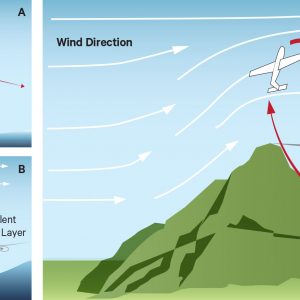
Who can resist the temptation to gaze at a condensation trail when it appears in the sky? The long, thin shape is in such contrast to the normal curves and bumps we are used to seeing in clouds that these slender ribbons of white catch our attention. They also offer the challenge of spotting the […]...
The results of a major geophysical experiment called SIGHT (South Island GeopHysical Transect) carried out across the South Island from 1995 to 1998 by geophysicists from Victoria University, the University of Southern California, the Massachusetts Institute of Technology and IGNS, are giving new insights into the tectonic drama being played out beneath the Southern Alps. […]...
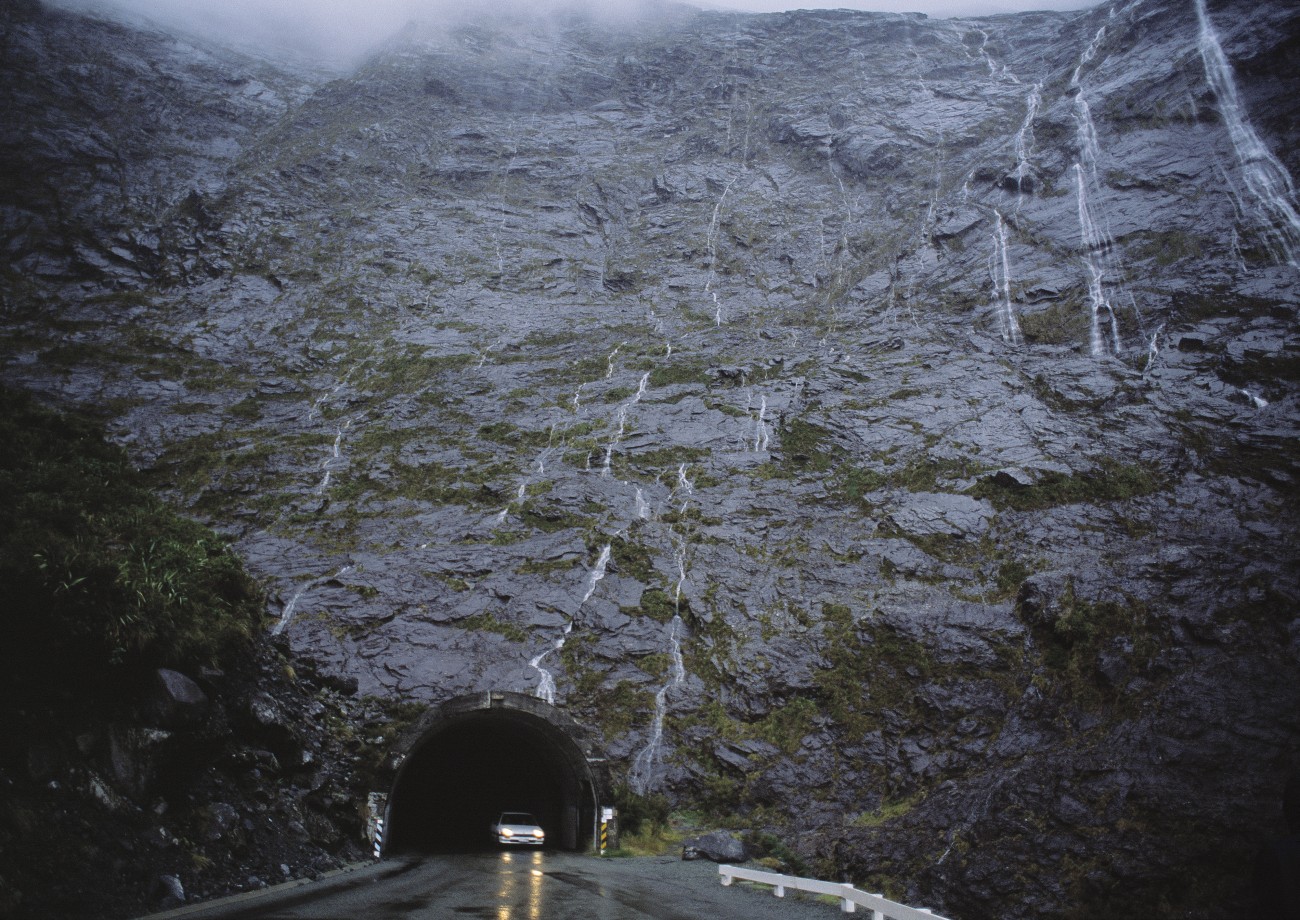
The tourism potential of Fiordland’s Milford Sound was recognised in the late 1800s. The problem was getting there. Pushing a road across the Main Divide was feasible, but between the headwaters of the Hollyford and Cleddau valleys was an almost-sheer 500 metre granite wall. The Homer Tunnel, 20 years in the making, provided the solution, and today visitors emerging from […]...
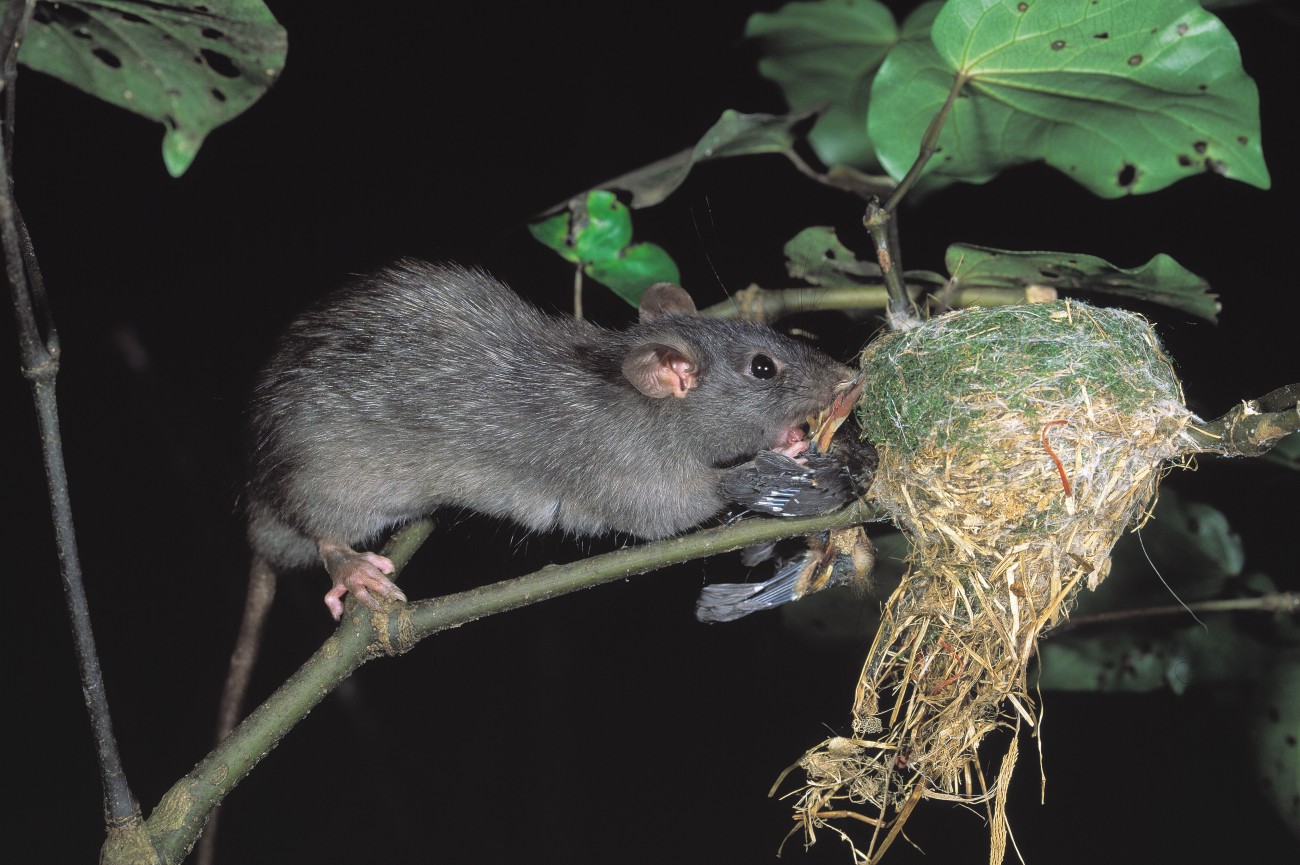
The fantail is one of our commonest native birds, loved for its flamboyant tail, acrobatic flight and inquisitive friendliness. Yet life is no bed of roses for these charming little birds. Between August and February each year they pour their energy into reproduction, only to have almost all of their infant offspring devoured by rats […]...
Two-thirds of the Earth’s surface is covered by ocean, with an average depth of nearly four kilometres—making deep-ocean seafloor the commonest environment on our planet. Through our vast extended economic zone, New Zealand controls a disproportionately large slice of that mysterious terrain. What is down there? Scientists from the National Institute of Water and Atmospheric […]...