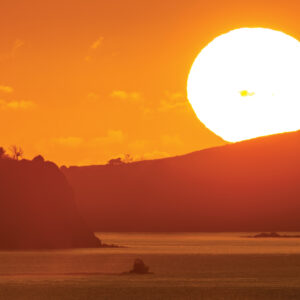
In the last week of December 2001, smoke from the New South Wales bushfires drifted across the Tasman Sea and spread over parts of the North Island. Atmospheric visibility around Auckland, usually 40 km or more, fell to below 10 km. By day the smoke appeared as a milky blue haze because all the large […]...
After more than four decades of operation, New Zealand’s Antarctic research station, Scott Base, is installing a sewage treatment plant. Scott Base houses around 80 scientists and staff during summer, and a crew of 10 during the winter. It consists of a complex of lime-green buildings which open on to the frozen continent through fridge-style […]...
This summer will be remembered by many for the large numbers of stinging bluebottles (Portuguese man-of-war jellyfish) that appeared in the surf and on the shores of many New Zealand beaches. At the height of the Christmas–New Year holiday break the media ran hot with stories of swarms of abnormally large bluebottles. Reports came from […]...
Rakiura’s western shoreline is the flotsam-and-jetsam coast. Here the detritus of human endeavour mingles with nature’s dead—albatrosses, whales, kelp, fish. It is the dune coast, too, where a beachcomber can follow kiwi tracks through hillocks of sand or pause to watch a wolf spider transporting her young. It is a place apart....
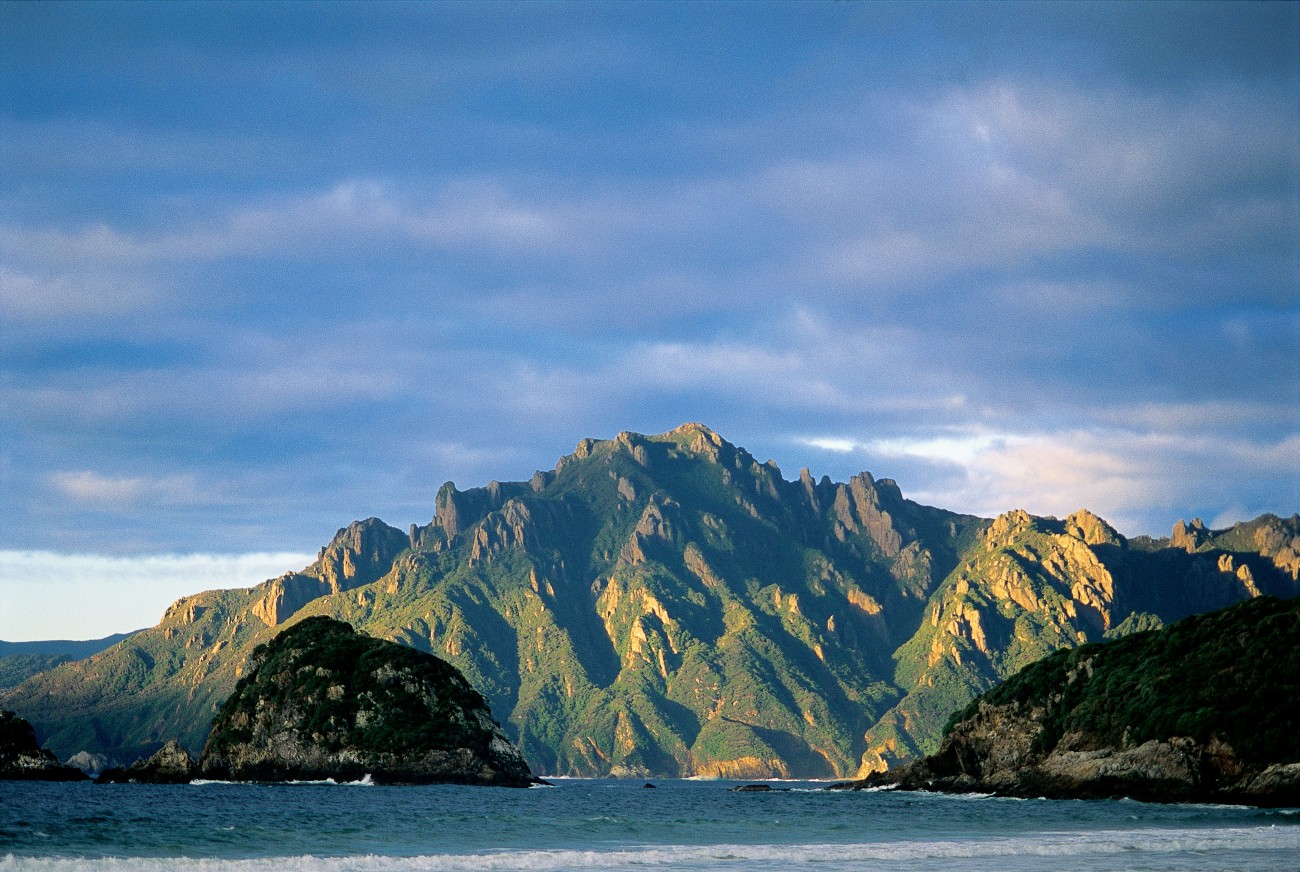
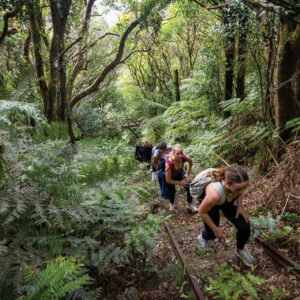
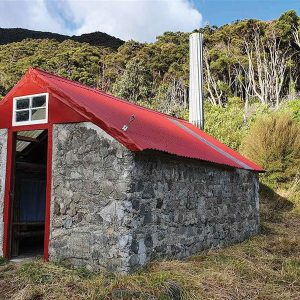
Granite citadels stud the seaward face of the Ruggedy Mountains, in north-west Rakiura/Stewart Island, an area as grand and remote as any in the country. Almost all of New Zealand’s third island is wilderness—unbroken swathes of forest or shrubland which run from summit to coast. In recognition of its unspoiled landscapes and biological uniqueness, most […]...
Infamy in the heart of the Amazon....
In a land renowned for its unusual birds, the kākāpō—a giant flightless nocturnal parrot with a bizarre breeding system—has to be one of the strangest. Although it has been lingering perilously close to extinction for the past half century, there is renewed hope that this icon of conservation effort has a future after all....