The gypsies themselves—lifestyle roamers rather than genuine Roma—relish the variety and unpredictability of life on the move....
During the summer of 2002, kakapo on Codfish Island/Whenua Hou, off the north-western coast of Stewart Island, bred with unprecedented success. Of 26 chicks hatched, 24 survived, boosting total kakapo numbers to 86—the highest they have been in 20 years. For the more than 100 volunteers who watched over eggs and chicks while the mother birds foraged for food, caring for […]...
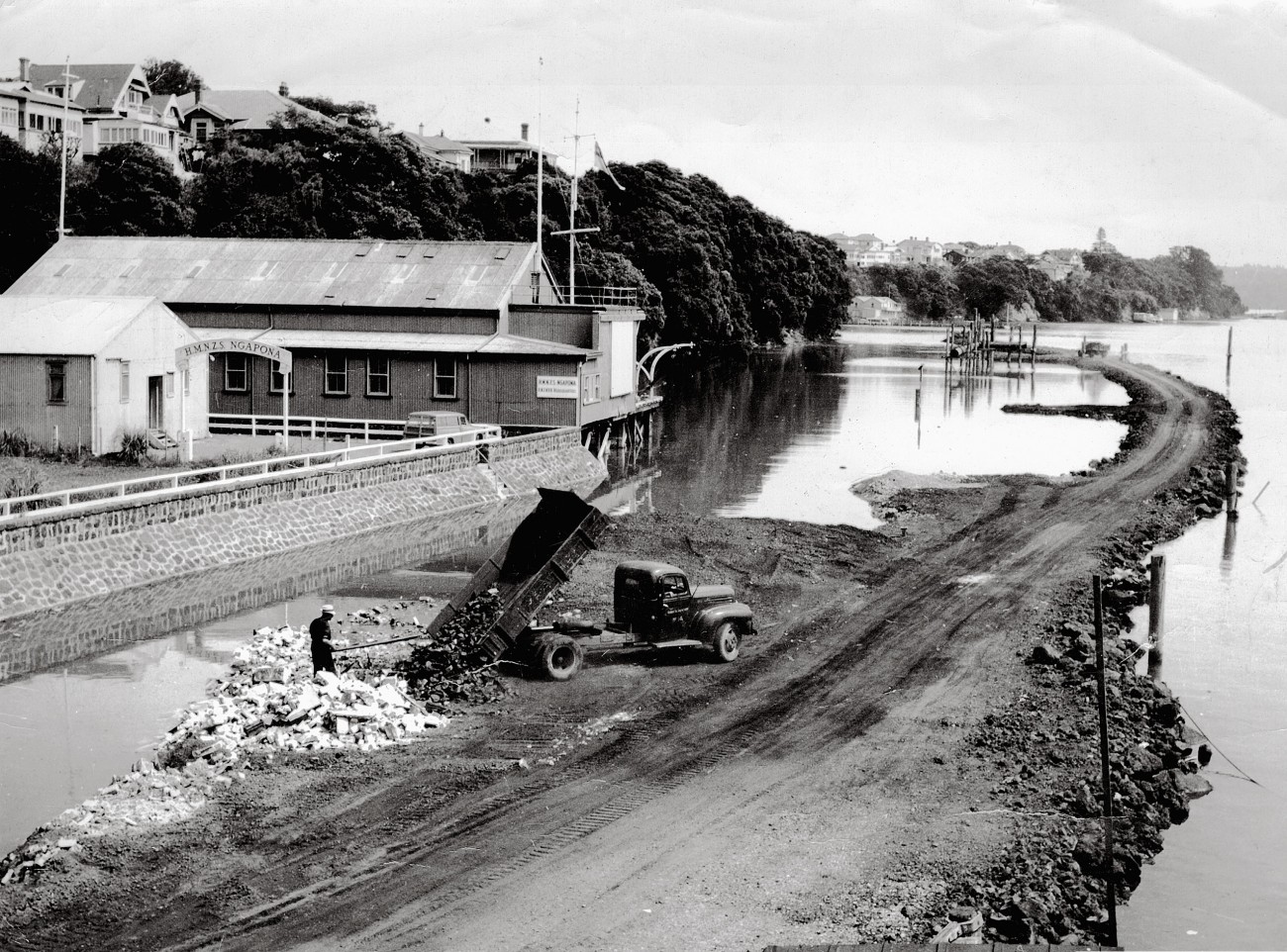
Remembering old St Marys Bay...
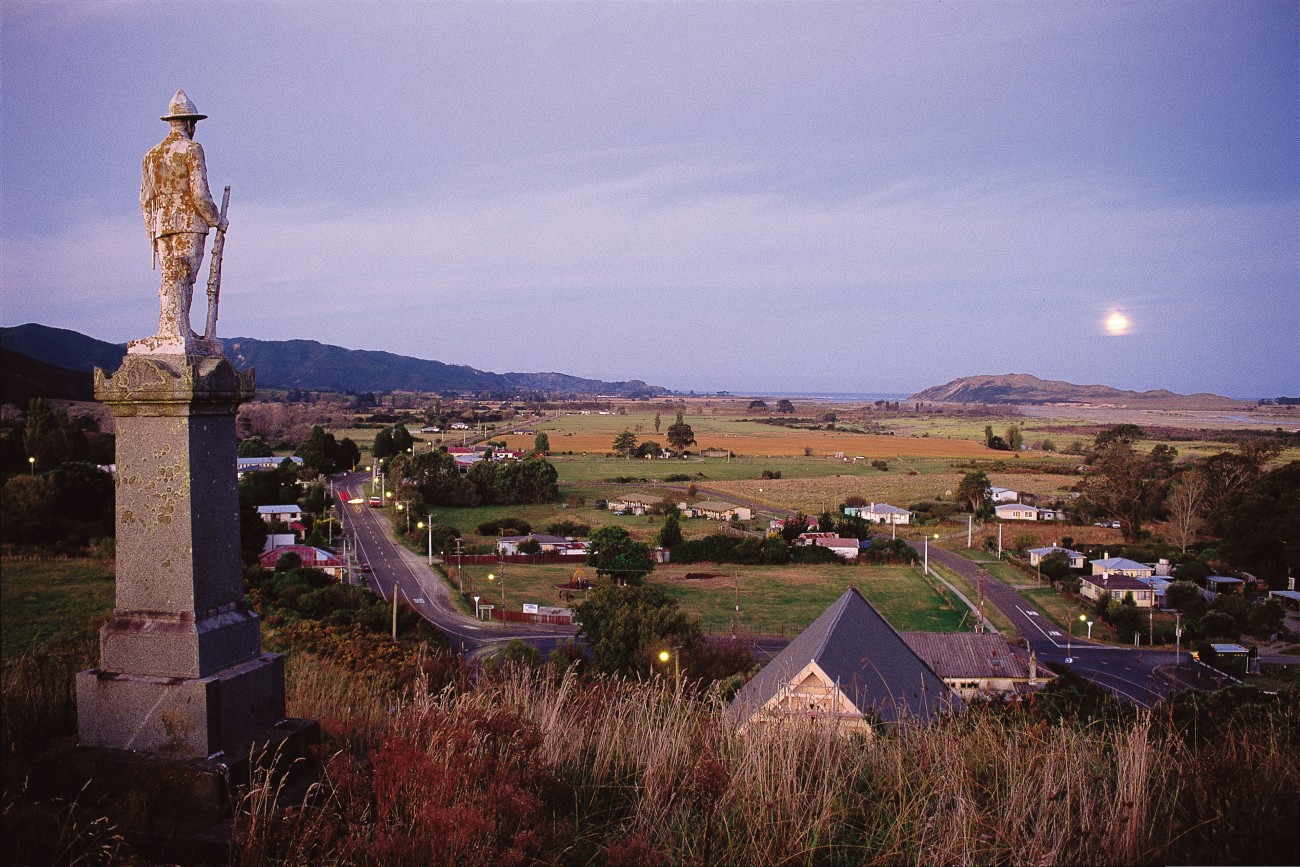
Built in the 1920s as a memorial to local Maori who died in the First World War, St Mary’s church in Tikitiki, near East Cape, has been a place of commemoration and worship for more than 75 years....
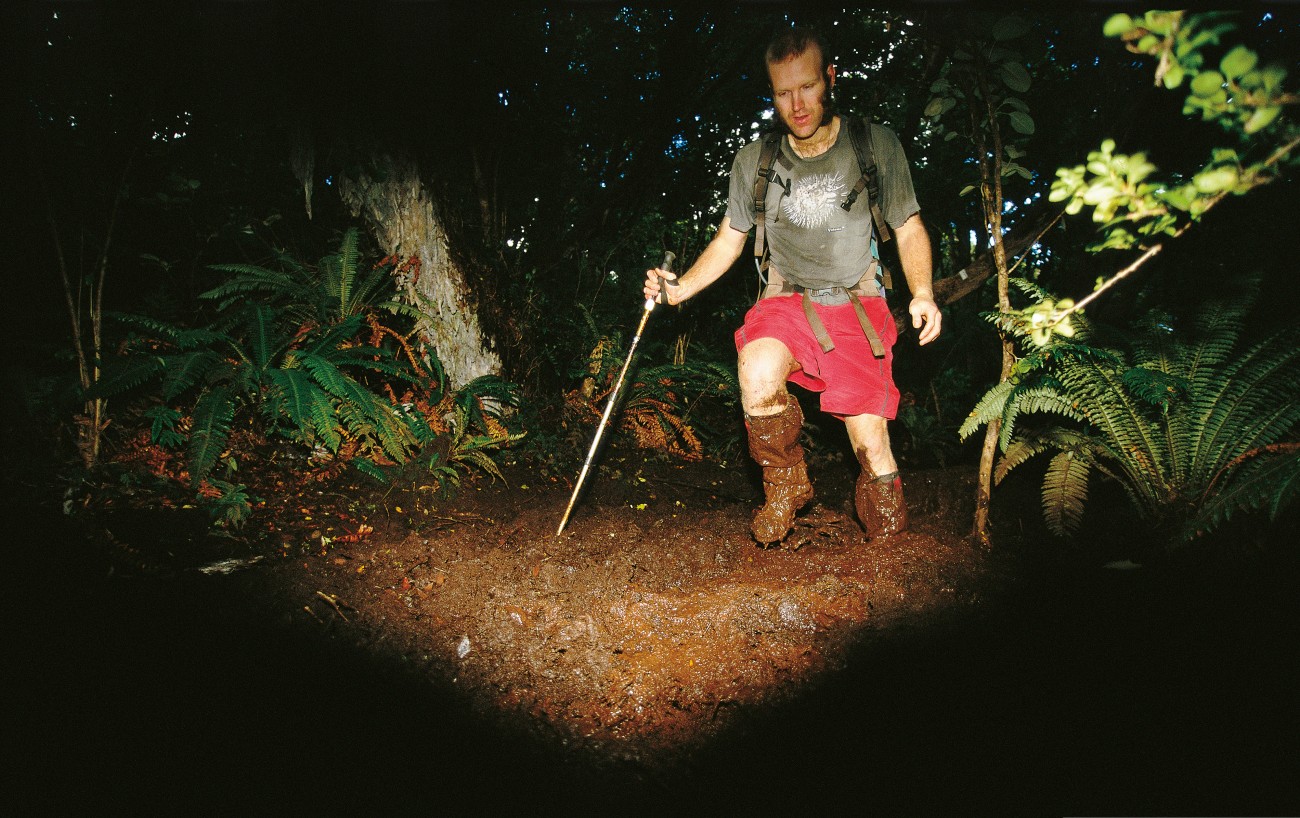
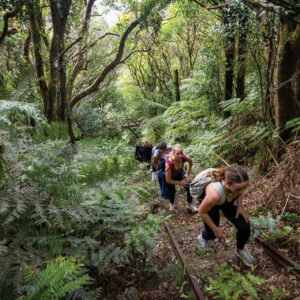
Crimson mistletoe blossoms were once a summertime feature of New Zealand’s beech forests, but the showier species are now scarce, and carpets of fallen flowers—such as here, on the Circle Track in Fiordland, where Department of Conservation officer Freddie Hughes explains the mistletoe story to walkers—are a rarity. While the appetites of possums have played a part in mistletoe demise, other culprits have recently been implicated....
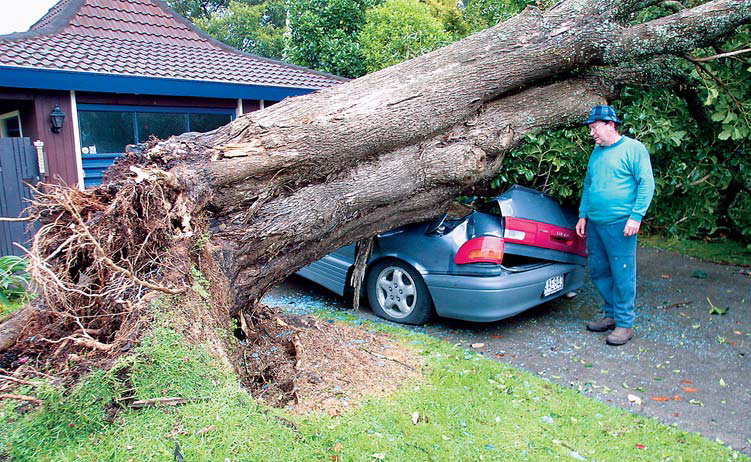
The term “weather bomb,” used in June of this year by forecasters in relation to a rapidly intensifying storm that was approaching New Zealand, struck a chord with the media, which trumpeted the warnings so loudly that few people would have missed the message that there was serious trouble on the way. When it hit, the […]...
Scientists from Land Care Research in Hamilton and the Ministry for the Environment have developed a new way of looking at New Zealand’s environments, and it is winning awards overseas. Rather than mapping vegetation types or landforms, the new classification, called LENZ (Land Environments of New Zealand), is based on conservation, biodiversity and resource management. The […]...
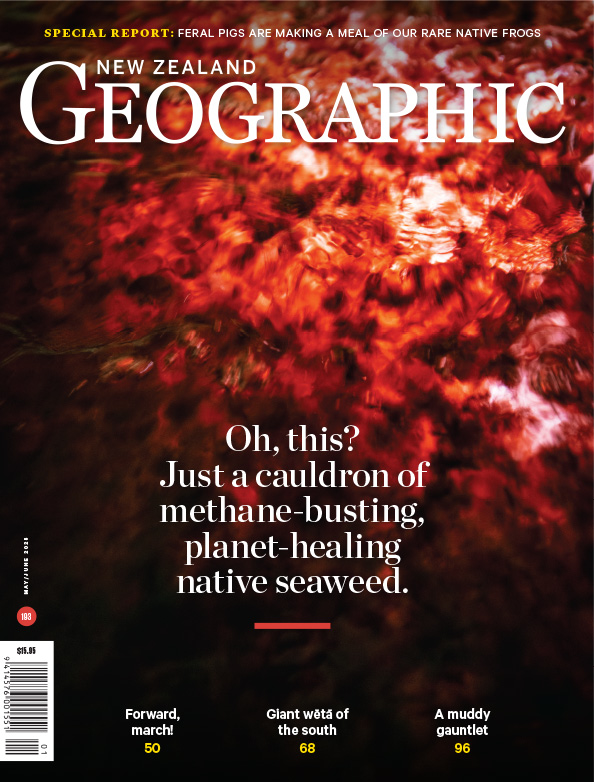
Frog populations throughout the world are continuing to decline, despite the best efforts by scientists in more than 30 countries to arrest the trend. New Zealand’s native frogs are no exception. Two of our four native species have recently been assigned the highest level of protection, as “nationally critical” (the same status as the kakapo), and one is “nationally endangered.” Some herpetologists believe that […]...
Palaeontologists in this country face a problem. Despite an extensive marine fossil record that includes some of the world’s best examples of marine vertebrates, such as whales and penguins, the record of terrestrial vertebrates is pitiful. We have dinosaur fossils from about 70 million years ago (Ma)—not long after New Zealand split from Gondwana—but over […]...