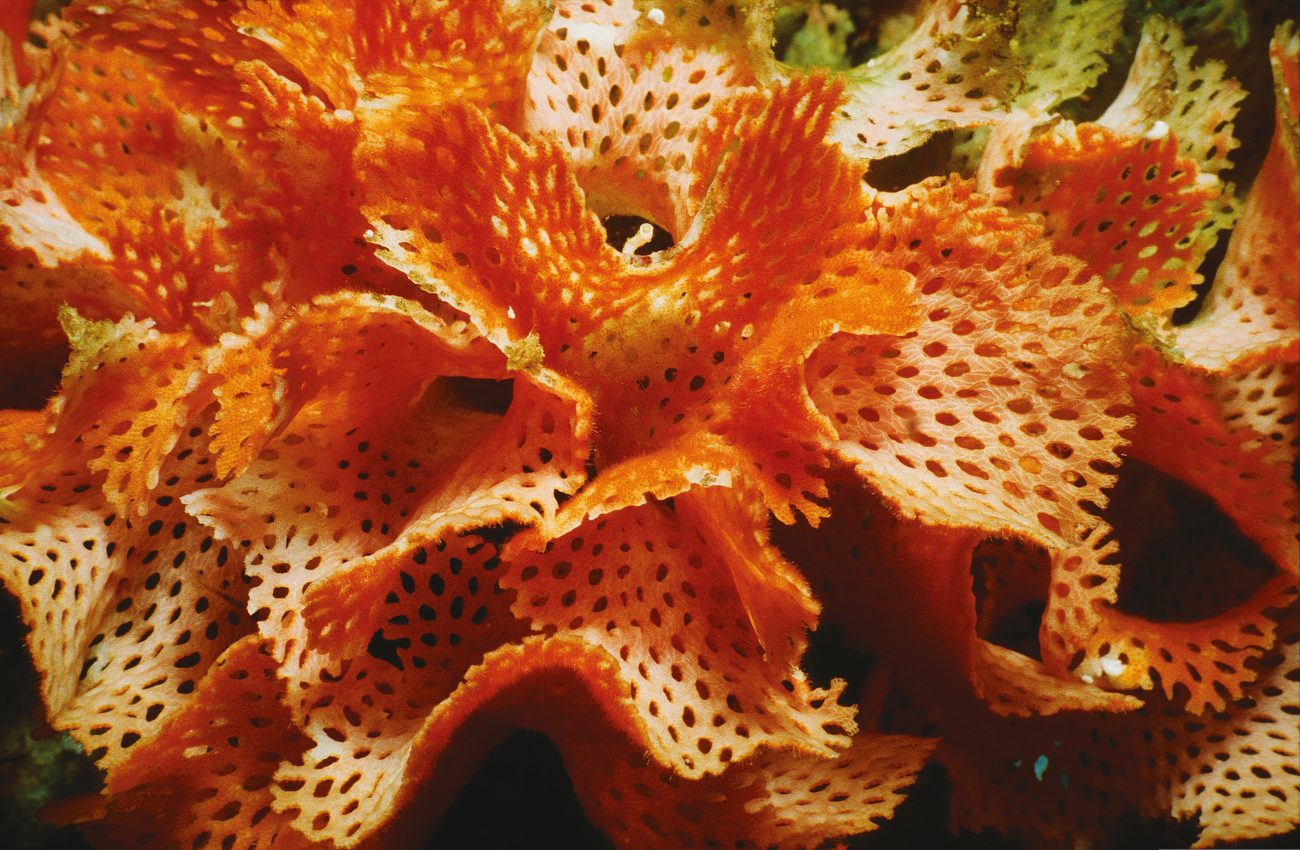
Crisp and wafer-thin, a colony of the lace coral Hippellozoon novaezelandiae looks good enough to eat. But like all bryozoans it produces toxic compounds to deter other creatures from nibbling it or settling on top of it. Such chemical defences are one of the reasons for the success of bryozoans—for these animals are among the […]...
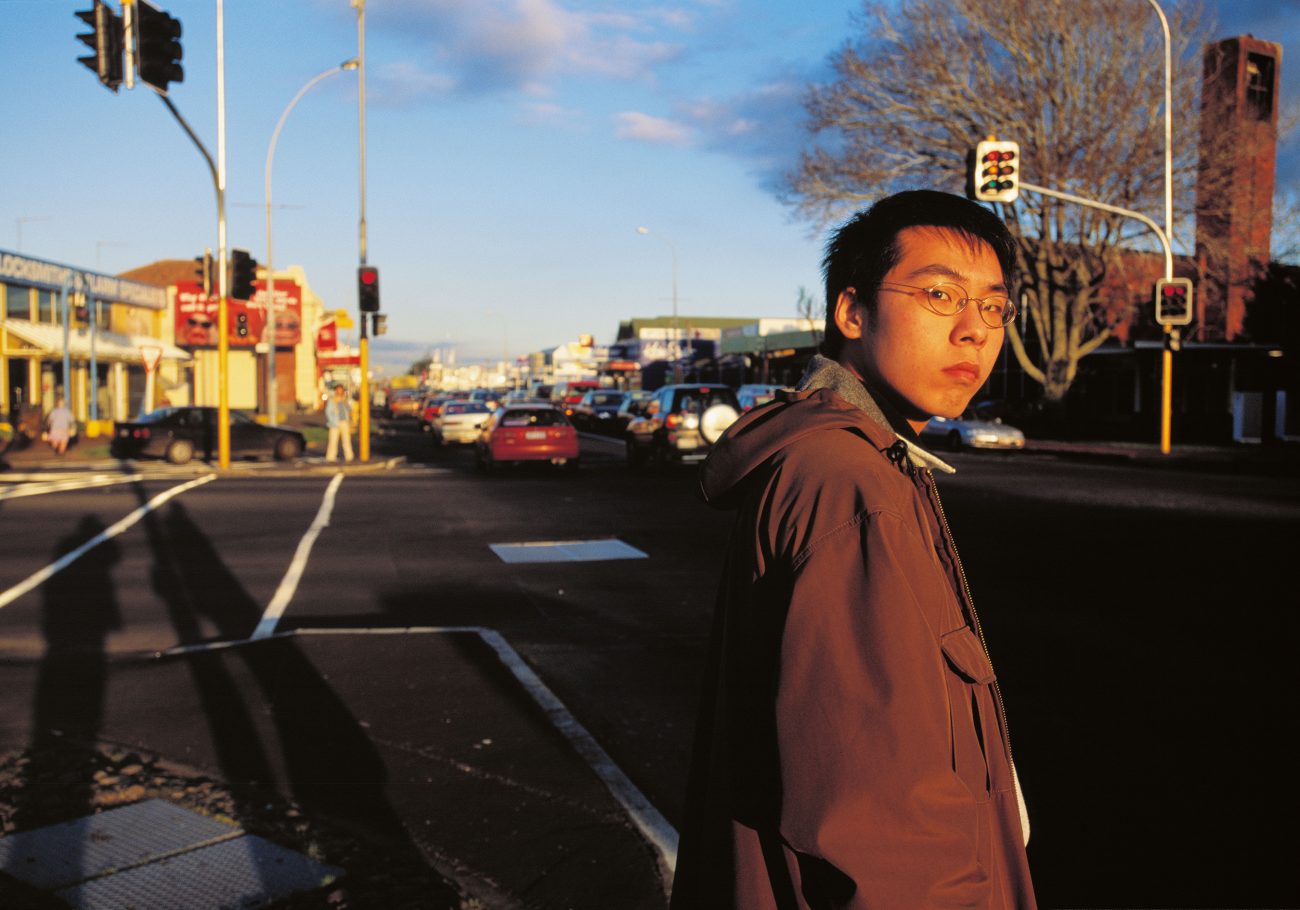
Once the main route south from Auckland, the Great South Road took war to the Waikato and opened up the city’s fertile hinterland for pioneer farmers. Eventually supplanted as a transport route by the motorway that grew vinelike about it, the old trunk road now connects a series of diverse communities which reflect the waves […]...
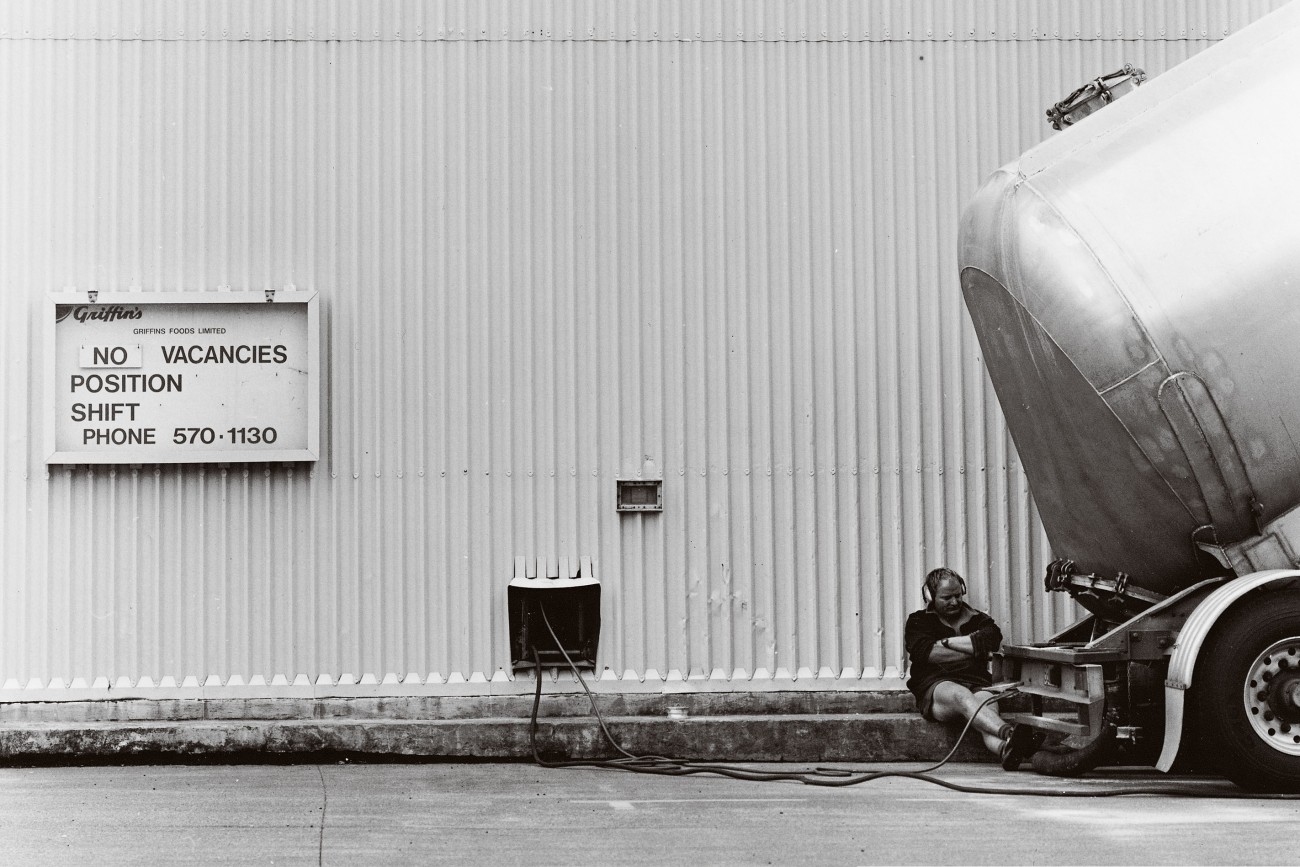
When photographer Alan Knowles chose Griffin’s as a subject he set himself a sweet assignment....
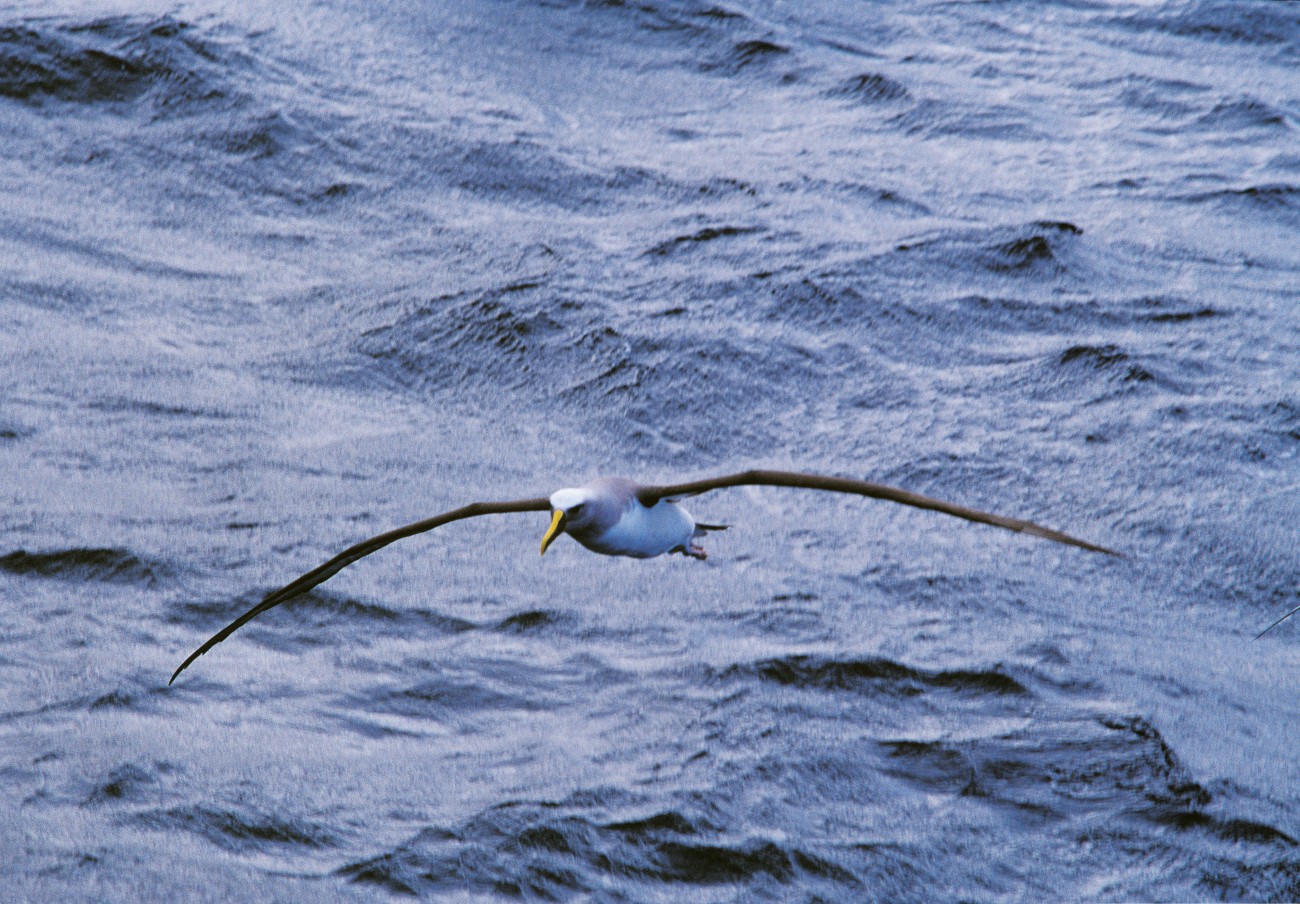
Icon of southern seas, a soaring albatross is picture of grace and strength. Yet thousands die each year through contact with fishing operations. Snagged in nets or hooked and dragged under on longlines, they are victims of a silent slaughter which goes largely unnoticed by land-dwellers, but which is pushing several albatross species towards extinction. […]...
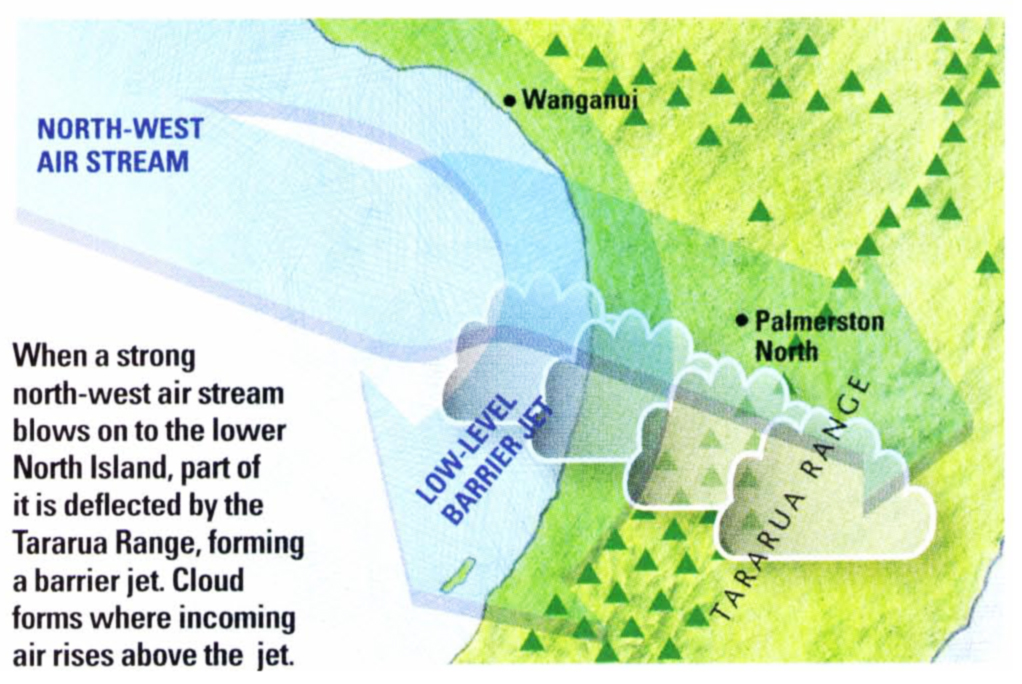
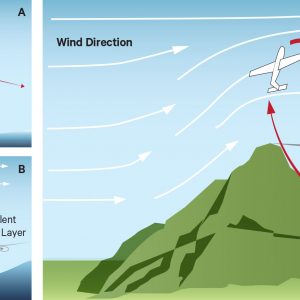
Rising air is the source of all dramatic weather. In New Zealand, the strongest upward air motion usually occurs when strong winds blow directly against mountains. The quickly rising air expands as it encounters lower pressure at higher altitude. This causes the air to cool rapidly and its water gas to condense, forming clouds and […]...
Stunning pink and red algal blooms coloured surface waters in many parts of the Hauraki Gulf in late November and early December 2002, from Bream Bay to Auckland’s North Shore. As they drifted with the tides, the blooms also invaded beaches and bays, forming extensive slicks. The first outbreak was reported near Waiheke Island in […]...