During the 1980s and 1990s, many of the world’s breeding populations of rockhopper penguin—including those on Antipodes and Campbell Islands and in the Auckland Islands, in New Zealand’s subantarctic—went into severe decline. Recent work on Campbell and Antipodes indicates that the downward trend is continuing, with worrying implications for the long-term viability of the species in […]...
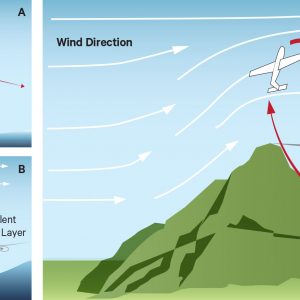
The rough and tumble of the weather takes place in the lowest part of the atmosphere, known as the troposphere, a name derived from tropo, Greek for “turning over.” Extending 16 km above the Earth’s surface in the tropics and 7 km at the poles, the troposphere is characterised by the fact that air temperature generally […]...
In June 2003, Puke Ariki, Taranaki’s new museum and library, opened its doors to an expectant public. The building’s striking design had already excited considerable public comment—not all of it favourable—but in a place such as this it is the content that counts, and there is plenty on offer. Three main galleries deal with history, […]...
When Mt Tarawera and the surrounding area erupted in the early hours of June 10, 1886, the explosion annihilated the world-famous Pink and White Terraces, smothered a vast swathe of countryside with ash and killed more than 100 people. It remains the largest volcanic eruption since European settlement, an outburst of subterranean fury that continues to fascinate and terrify more […]...
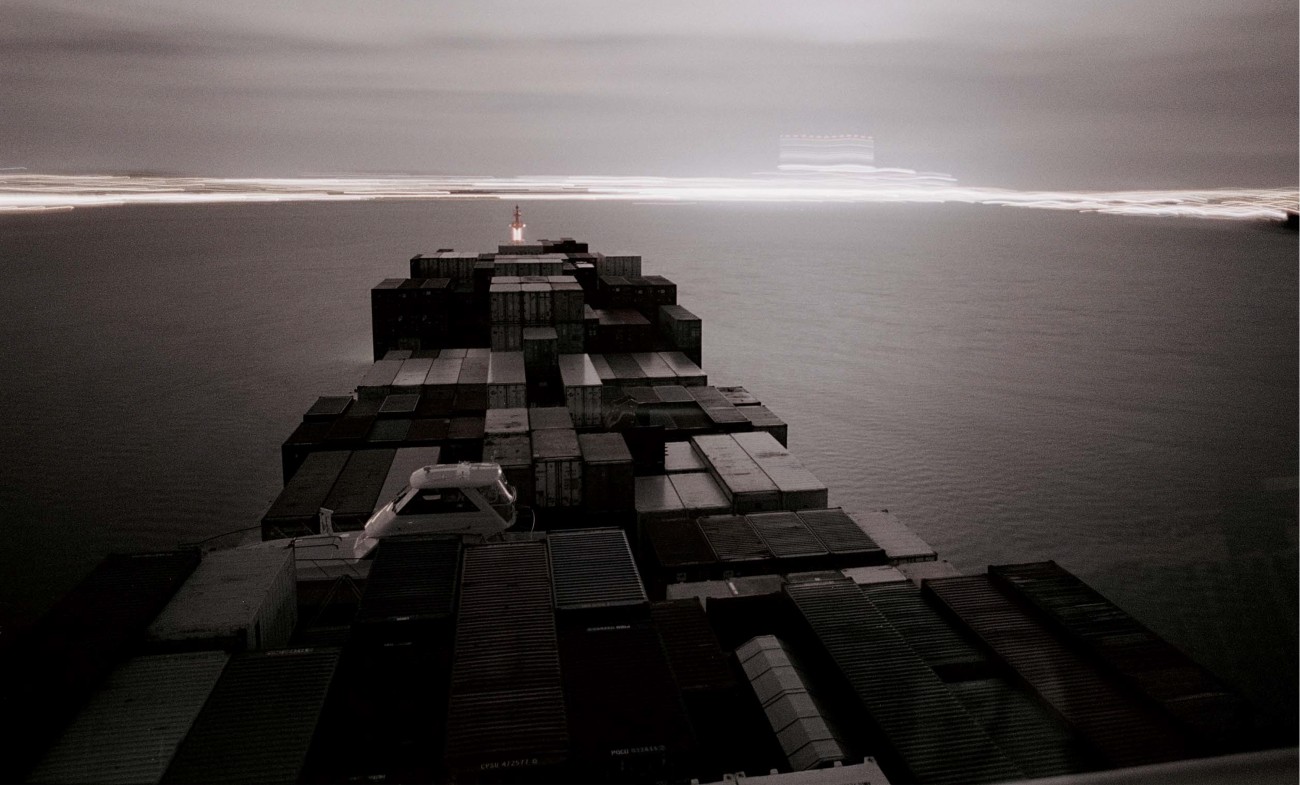
Of all the changes in the shipping industry in the past few decades, the most far-reaching has been the containerisation of cargo. Auckland, New Zealand’s largest container port, handles nearly half the country’s container trade. The reorganisation of facilities to ensure the efficient handling of more than 1500 steel boxes a day has transformed the port—here coming into view on the bridge […]...
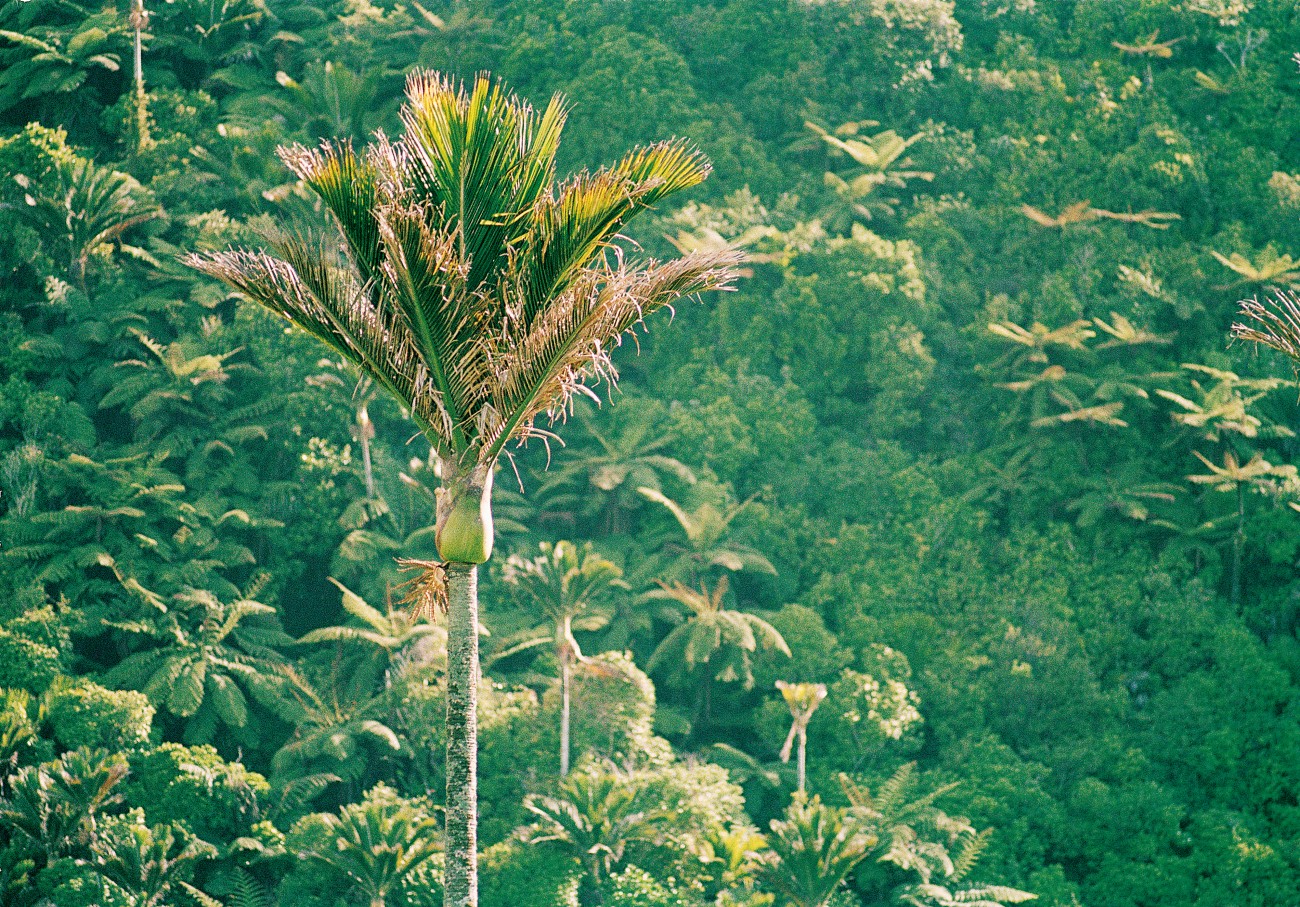
Although nikau occur naturally from North Cape to about the latitude of Akaroa, nowhere are they a more striking part of the landscape than on the South Island West Coast. Standing tall like giant feather dusters, the stately plants have become something of a botanical signature to the region....
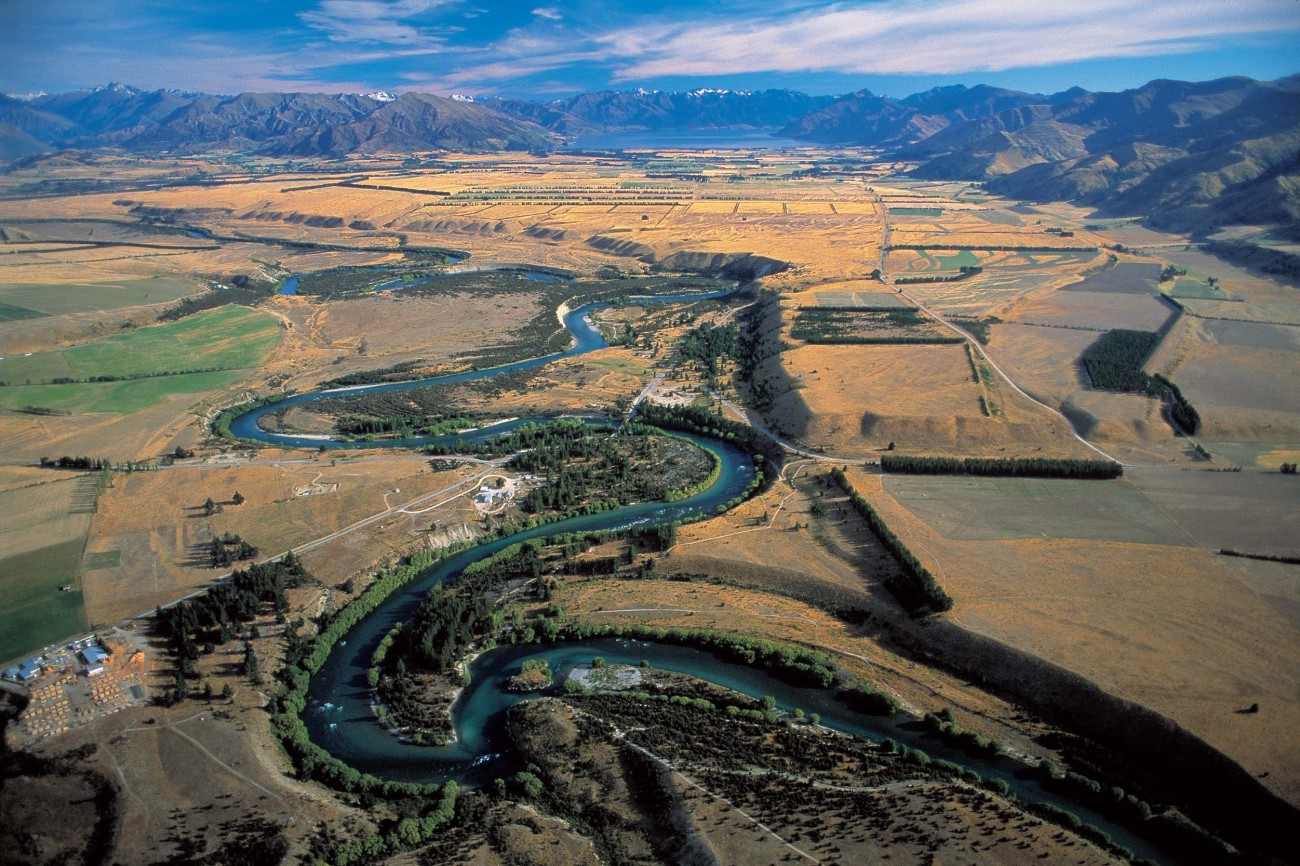
Drawing on a vast catchment in the mountains west of Lakes Wanaka and Hawea (the latter visible in the distance in this photograph), the Clutha River—New Zealand’s largest by volume flows through the parched country of Central Otago before pouring into the Pacific Ocean. It delivers precious irrigation water to the region’s burgeoning horticultural enterprises […]...
The 2002 Nobel prize for Medicine or Physiology—biology’s highest accolade—was awarded to Sydney Brenner, John Sulston and Robert Horvitz for their discoveries concerning “genetic regulation of organ development and programmed cell death.” Sound obscure? Perhaps. Important? Absolutely—yet most of the research was conducted on a tiny worm. By the early 1960s, biologists had realised that heredity […]...
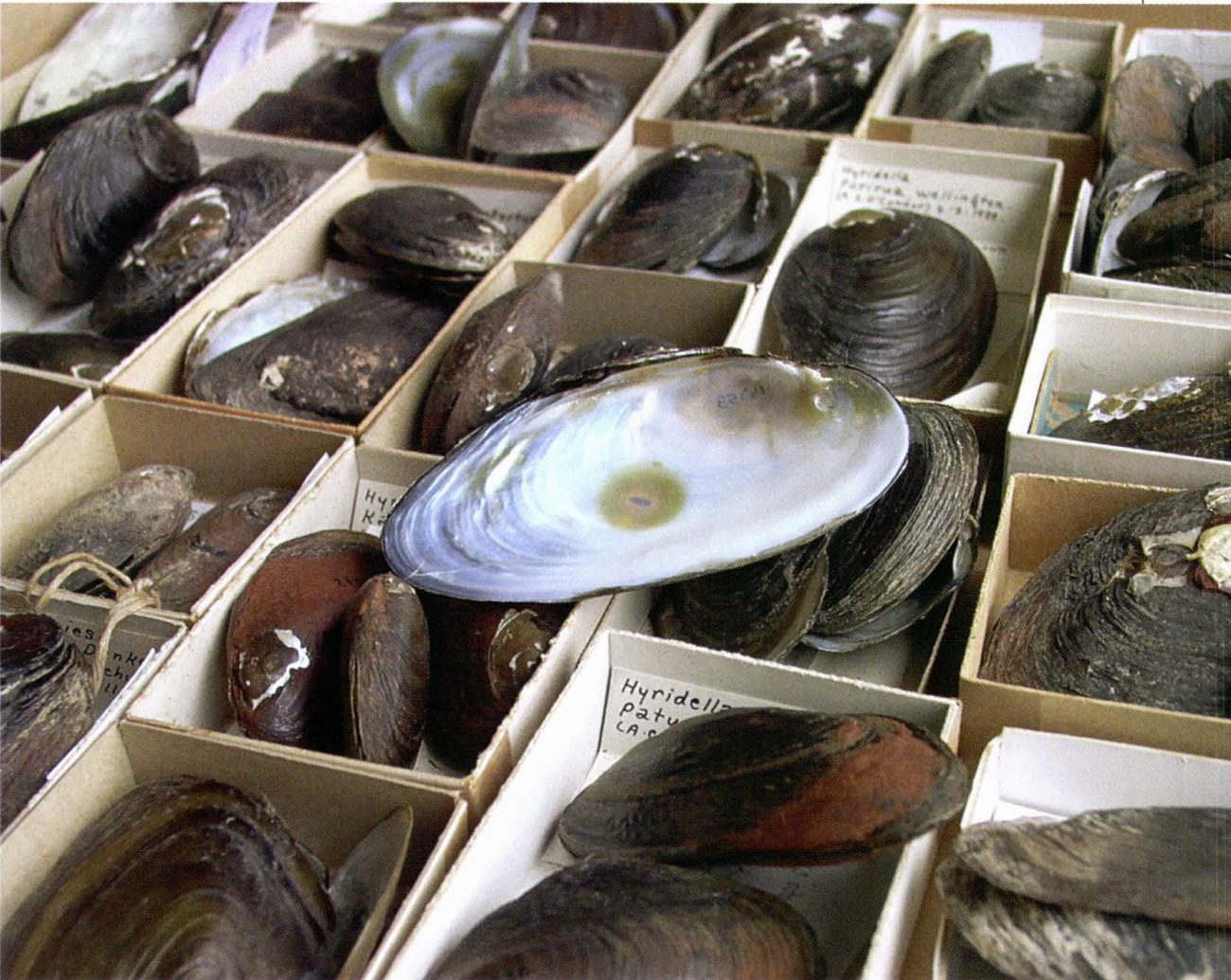
The narrative fresh water mussels, known to Maori as kakahi and to science as Hyridella menziesii (and several related species), are oval shellfish, typically between about 50 and 90 mm in length. They resemble a pipi in shape, though they possess a black horny covering—the periostracum—like a marine mussel. Kakahi once formed extensive beds in New […]...