It is normal for people to think of science and art as pursuits occupying polar extremes, left brain versus right brain, mechanical versus unpredictable, or something along those lines. But I think the plodding unimaginative scientist captures the same space as the dull, self-plagiarising artist. It follows too that the work from a scientist that […]...
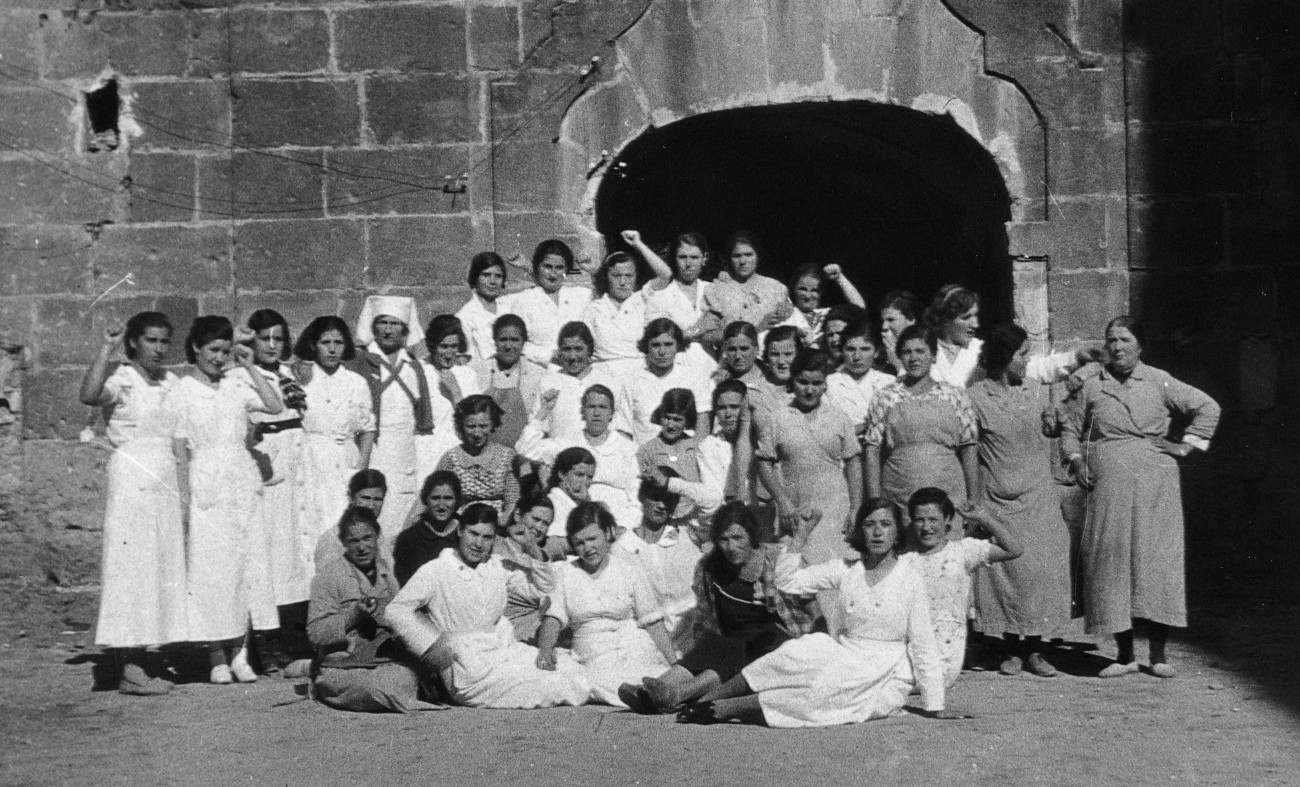
While officially we were neutral in this bitter curtain-raiser for WWII, a handful of volunteers became involved, most of them on the side of the left-wing government fighting Franco and his fascist supporters....
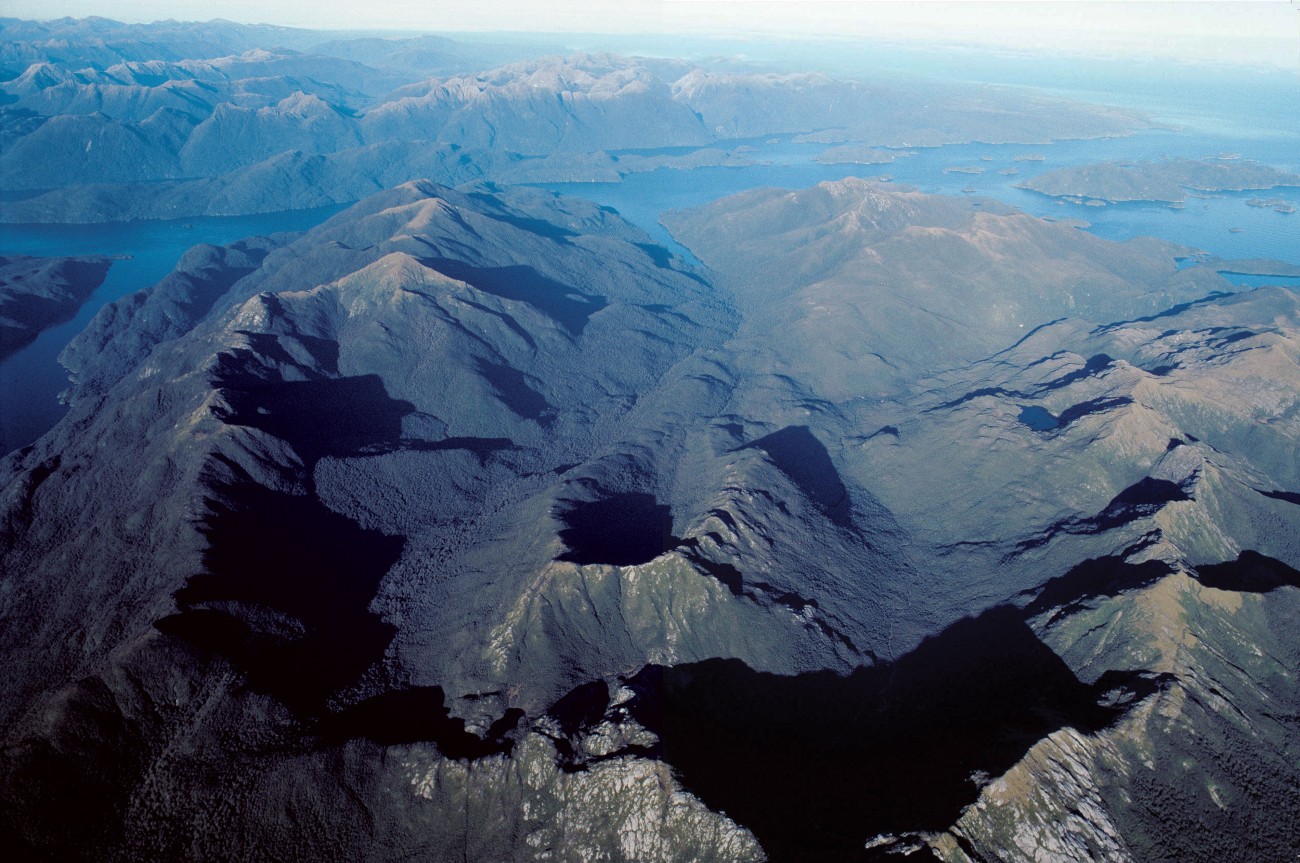
In May 1891, the government temporarily gazetted Resolution Island, in Dusky Sound, as the country’s first reserve for the preservation of native flora and fauna. Rugged and remote it certainly was, but there was some doubt as to whether it was far enough from the mainland to protect it from swimming predators. Was rival island […]...
The skinny world of stick insects...
Classical composition arose in New Zealand during the 20th Century—a period when music was undergoing its global post-romantic revolution. Since that time, Kiwi composition has gone from strength to strength....
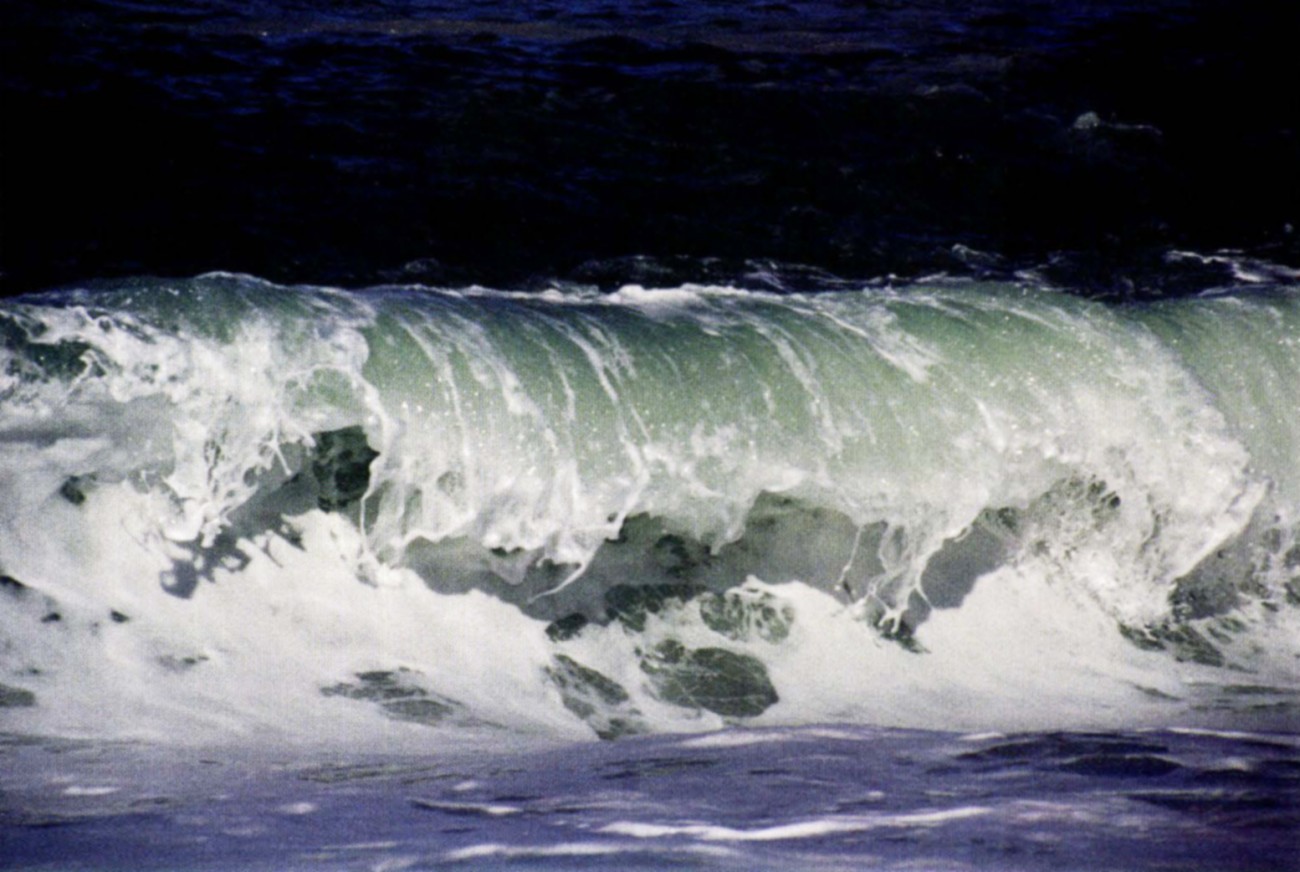
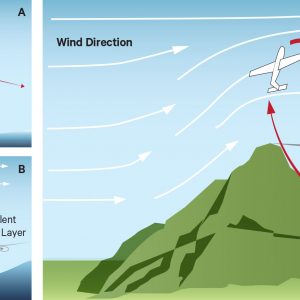
Among all the music the weather makes, thunder is arguably the most dramatic. To the ancients it sounded like the Gods knocking down the door, come to deal to human misbehaviour or maybe warring amongst themselves. For the Greeks it was the sound of Zeus’s thunderbolts; to the Vikings the sound of Thor’s hammer; to the […]...
In mid September, a dozen kiwi eggs were collected from nests in inland northern Hawke’s Bay under the Operation Nest Egg scheme and transported to hatching and rearing facilities at Rainbow Springs, Rotorua, and at Napier’s Westhaven Wildlife Reserve. Once the birds have hatched and grown to 800 grams—probably by April 2007—half will be transferred […]...
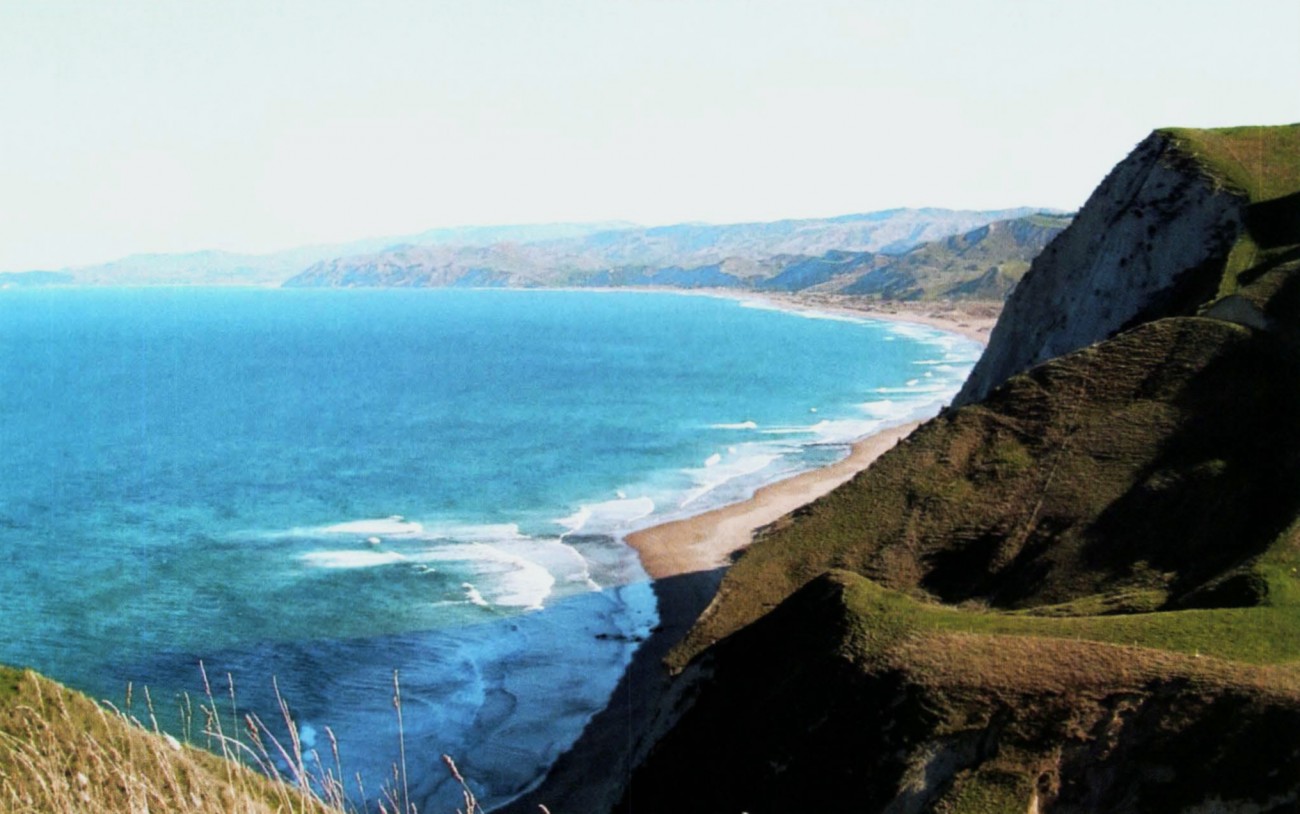
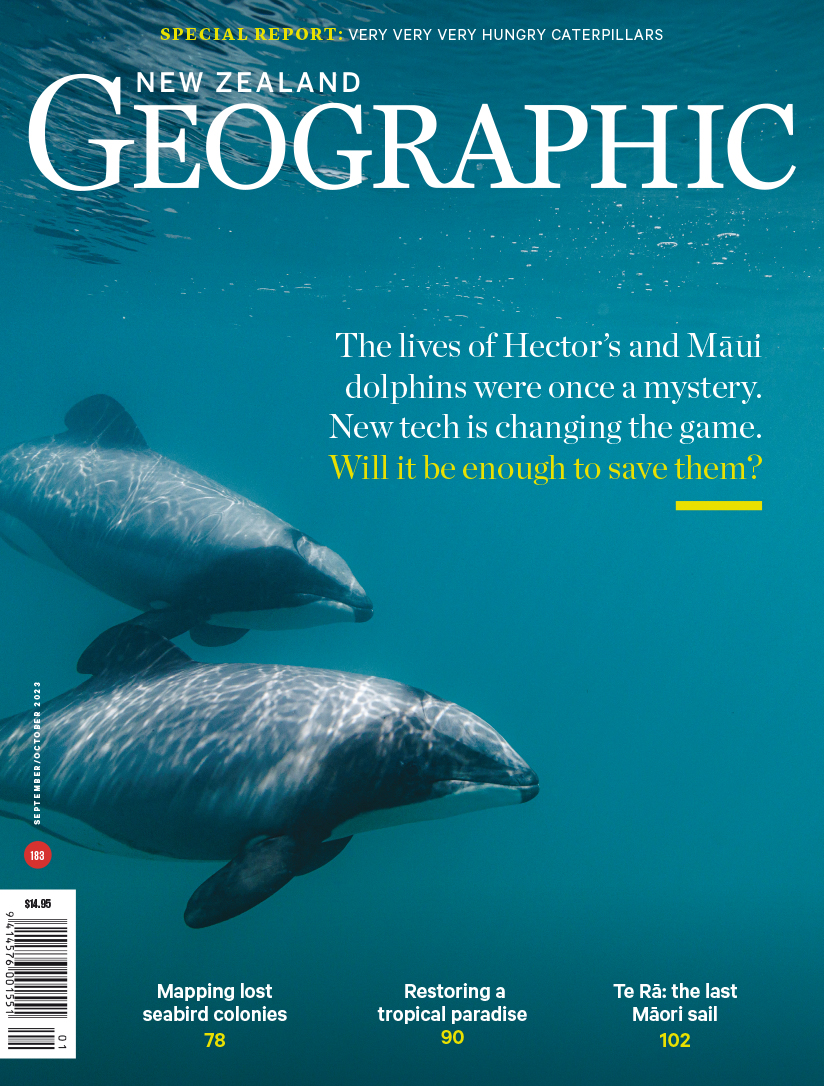
There are thought to be about 7500 Hector’s dolphins living in several areas around the South Island plus some 100 of the North Island subspecies, known as Maui’s dolphin, spread between Maunganui Bluff north-west of Dargaville and north Taranaki. It is the world’s rarest marine dolphin and also the smallest. The West Coast of the South […]...