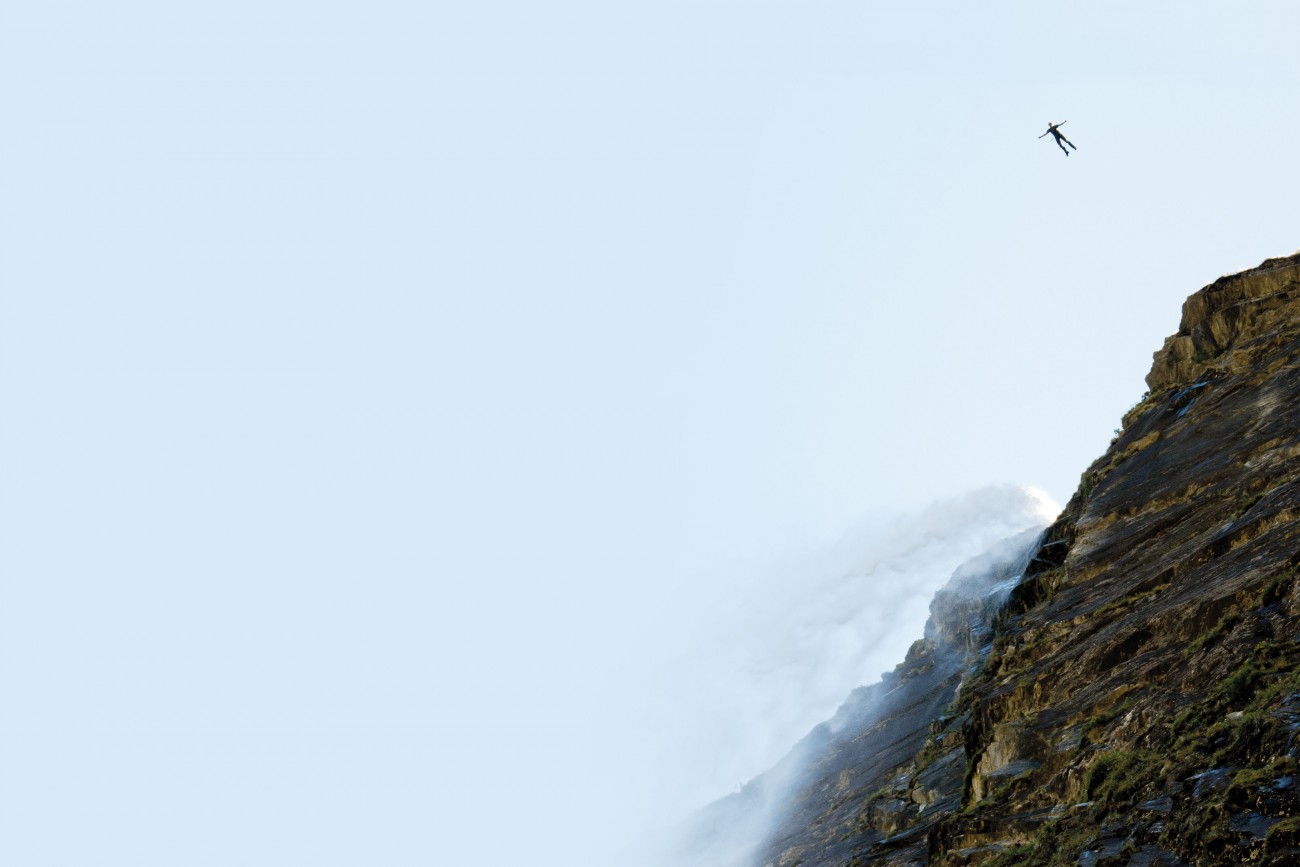
BASE jumping is now well established in New Zealand, where the glacial terrain of Fiordland presents grand walls up to 1300 metres high—ideal staging posts for jumpers courting ecstasy and tragedy in one of the world’s deadliest sports....
Peter Malcouronne investigates “the strange delusion, borne out of isolation, that we are the greatest country on Earth (while never quite believing it, and craving external validation).” I sensed things were getting silly when I began adjusting bottles of 2010 Oyster Bay sauvignon blanc at Sainsbury’s. Patriotic rotation, you might say—shifting ours to the front of […]...
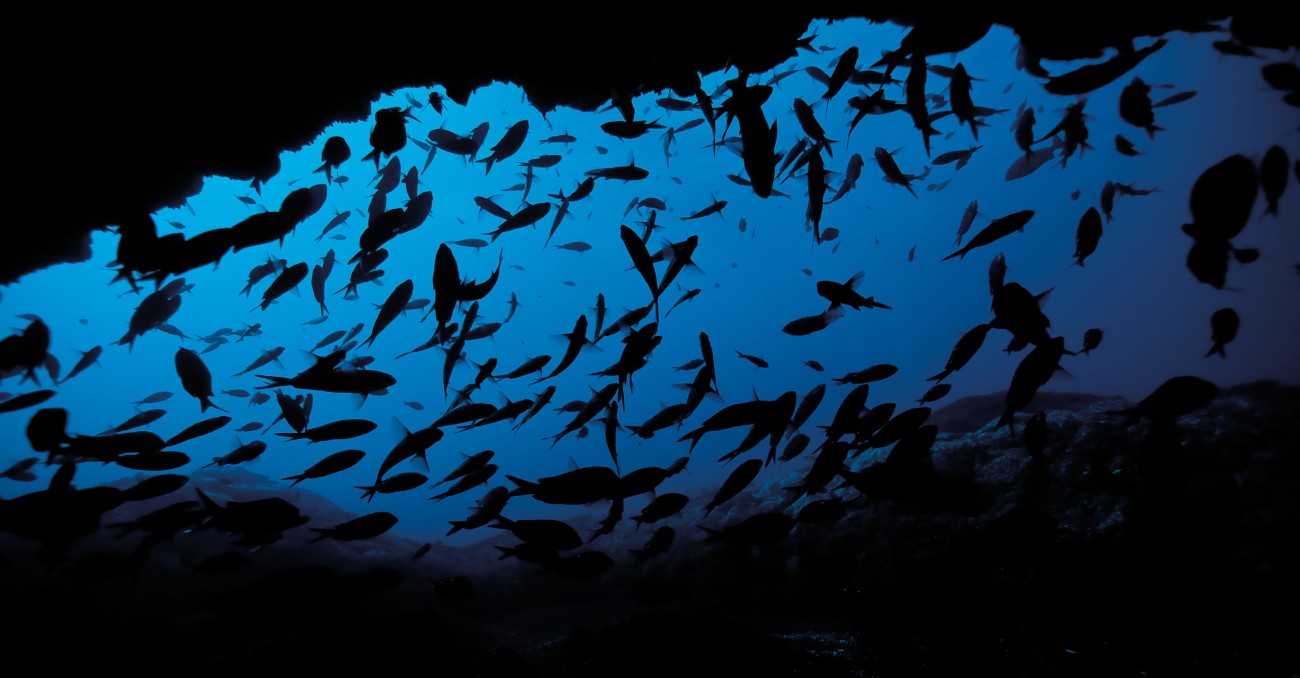
Protected for true decades as a marine reserve, the Kermadec archipelago is replete with apex predators, particularly Galapagos sharks. While the adults inhabit deep water, scientists on the Auckland Museum-led biodiscovery expedition had to contend with numerous frisky juveniles, which took more than a passing interest in the samples they were collecting. Among the scientists was […]...
Wade doak was 45 metres down, in water “cold as fish blood”, finning from rock to rock through shoals of red perch, when, in the dim light, his eye caught a scattering of encrusted discs in the sand. Coins. He knew that strewn amid the mangled remains of the Victorian single-screw steamer Elingamite lay many […]...
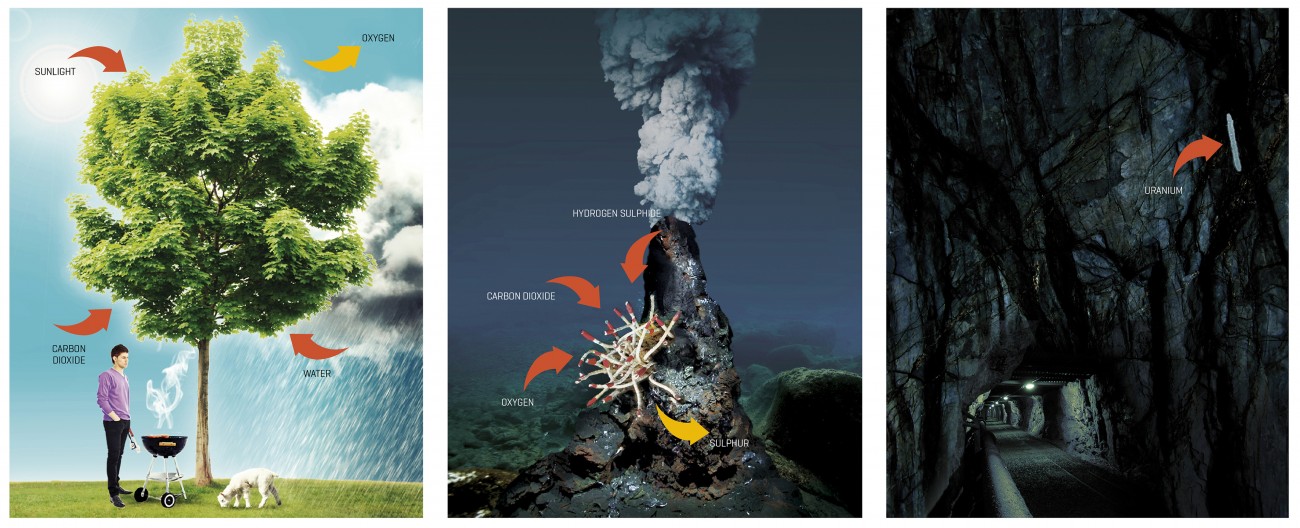
Ambient is for wimps. Freezing cold, searing heat, desiccation, deadly radiation, toxic chemicals—it’s all just another day in the primordial soup for the extremophiles....
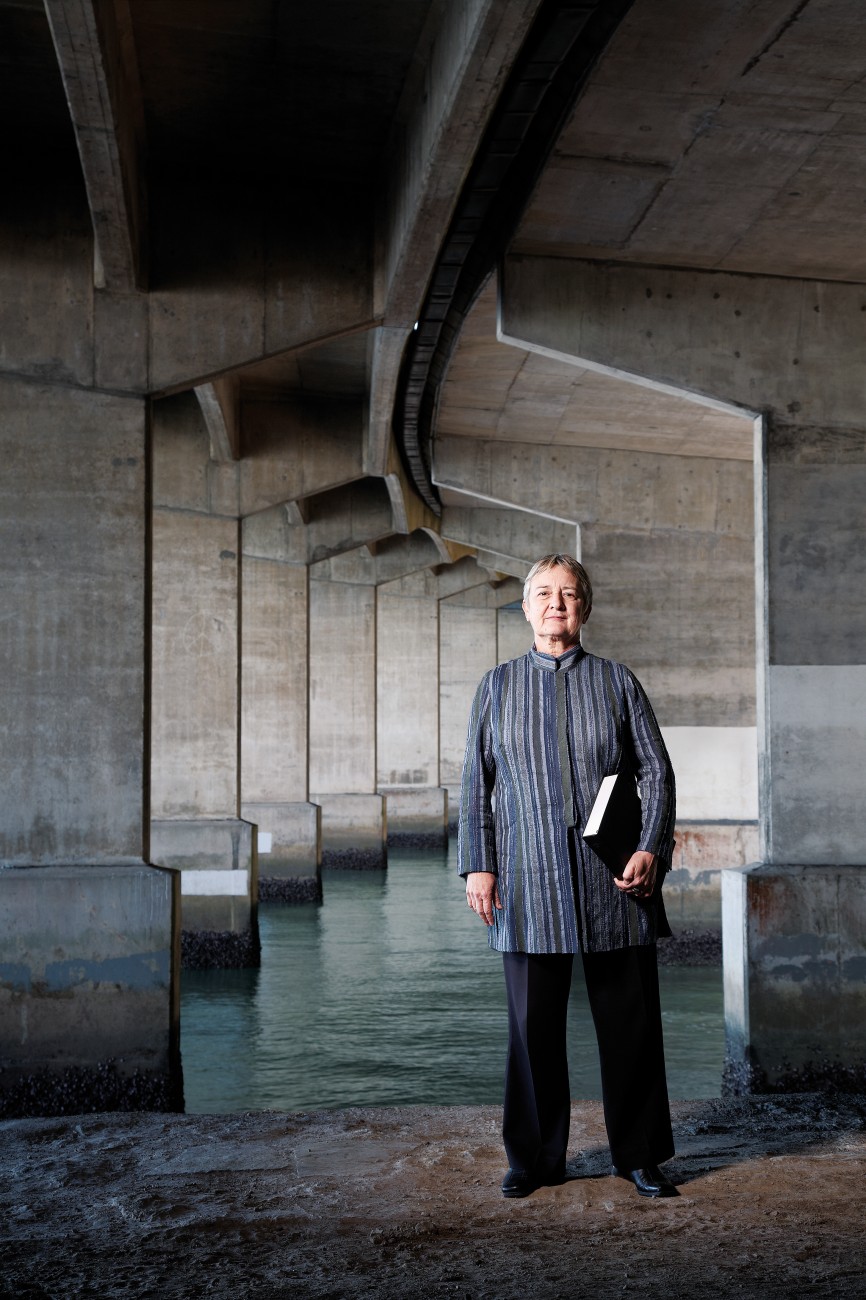
Marilyn Waring’s journey beyond economics....
New Zealand’s longstanding fascination with the weather has been imprinted on the landscape, with curious, cryptic, sometimes humorous titles for places that will forever recall the experience of its first visitors. The screaming northwest gales of Canterbury are celebrated with names such as Windwhistle, near the Rakaia Gorge, Mount Blowhard, near Oxford, and Nervous Knob, […]...
There is not much native forest of any kind left in South Canterbury, but most of it is in Peel Forest. Some massive totara live on the fertile flat below Little Mount Peel, and this walk climbs up through the bush to a high alpine peak, with an eye-opening view of the patchwork plains. From the […]...
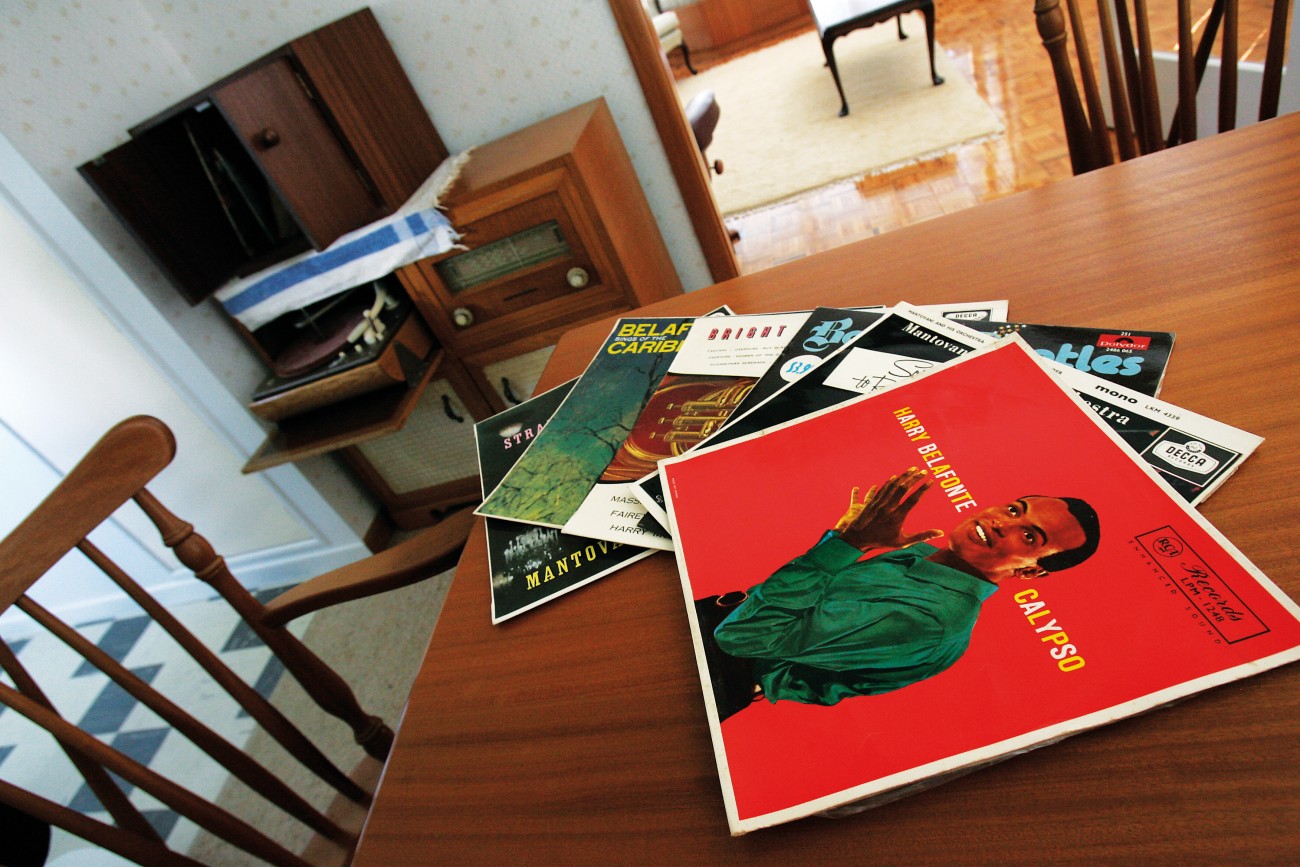
It was 1959, Everest had recently been climbed, rock’n’roll was hitting the jukeboxes, the baby boomers were booming and a brand-new house was being built in Te Puke for Peter Welch. A navy man and plasterer, Welch had come to New Zealand from England after the war to work on the gargoyles of Christchurch Cathedral. He […]...
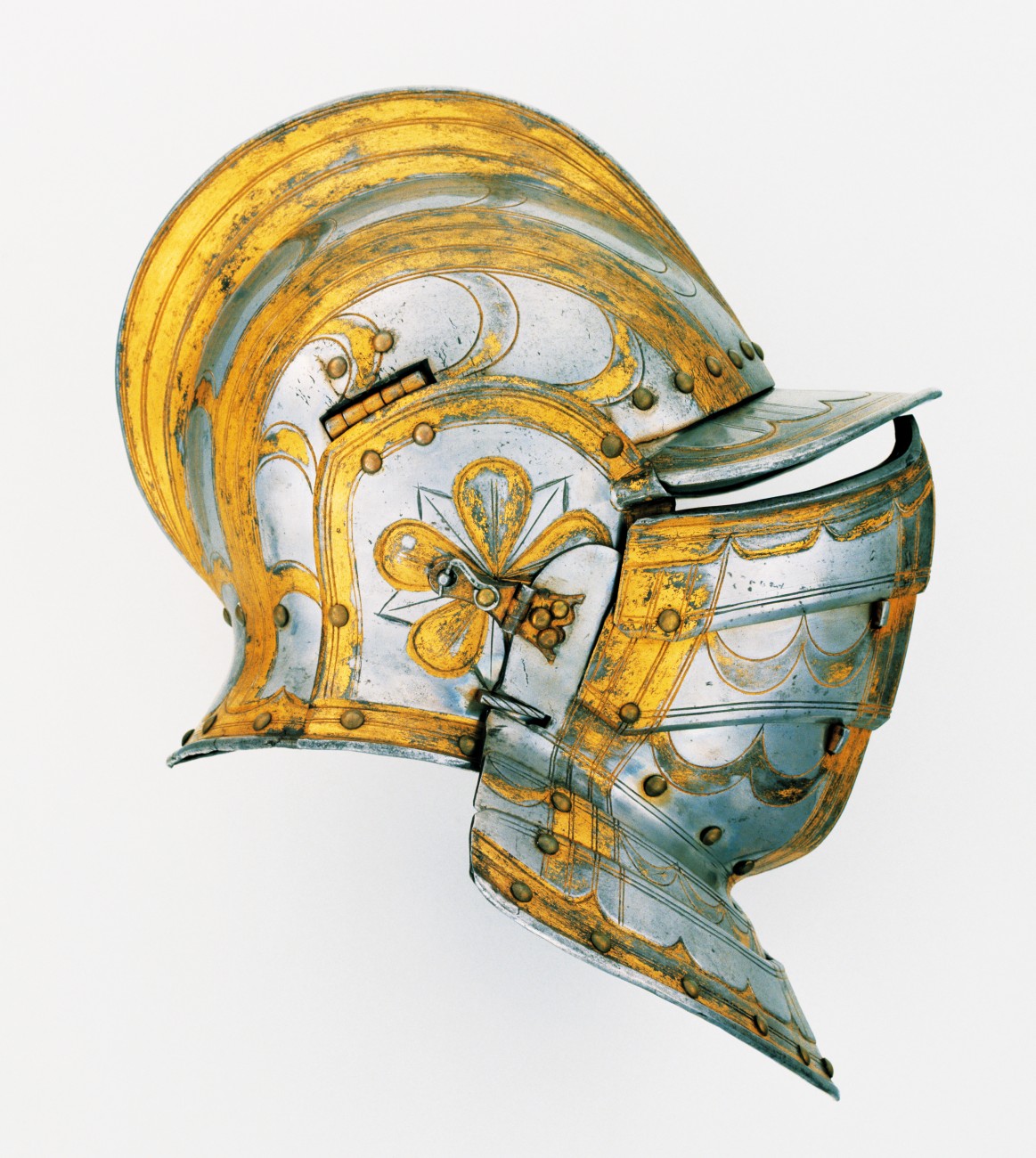
The true gallantry of a knight in shining armour has now been quantified: it took twice the energy, according to new research co-authored by University of Auckland scientist Federico Formenti. Until the advent of firearms in the late 17th century, soldiers were packed into tight-corseted suits of plated steel weighing 30 to 50 kg heavy protection to deflect heavy weaponry. This year,researchers […]...