

The sable shearwaters of Lord Howe Island, between Australia and New Zealand in the Tasman Sea, are among the most plastic-contaminated seabirds in the world. Unsuspecting parents feed their chicks indigestible bits of plastic, mistaken for squid or fish.
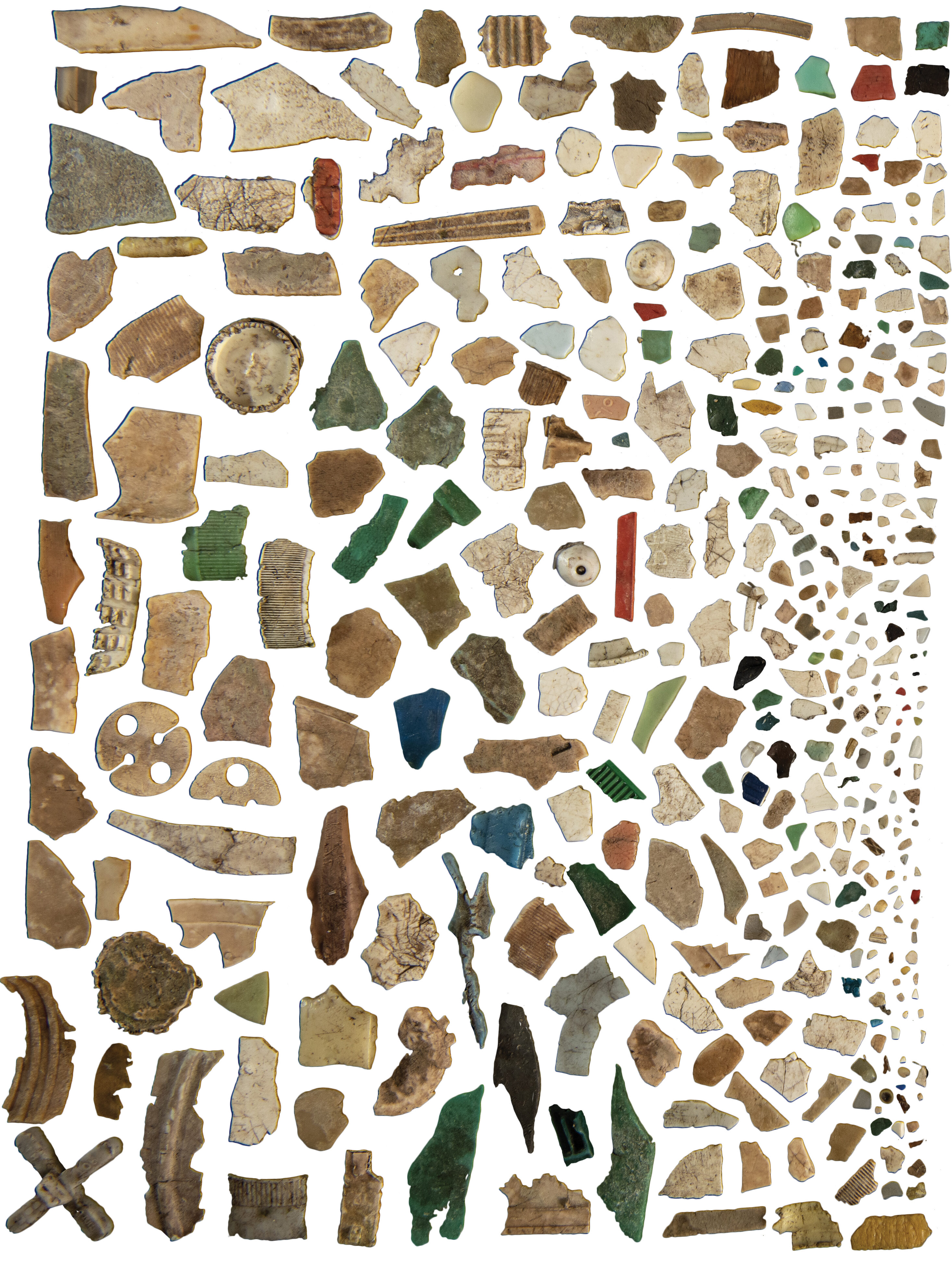
“It’s upsetting to see just how much plastic they’ve got, just as they’re starting life,” says Alix de Jersey from the University of Tasmania. In a study she led, one chick had consumed 403 fragments (pictured here) together weighing about the same as a slice of white bread.
Some malnourished birds die. But researchers wondered whether even seemingly healthy chicks could be burdened with hidden health problems. The team ran blood tests on chicks that appeared in good nick, both with and without plastic in their stomach, looking for 745 different marker proteins. “If you feel like something is wrong, you go down to the GP for a blood test,” says de Jersey. “This is similar: a tool to see what might be going wrong.”
A lot was wrong, it turned out. Stomach proteins were leaking into the bloodstream—sharp plastic can dig holes in the stomach wall, and cause a build-up of scar tissue dubbed “plasticosis”. The filtering organs—liver and kidneys—were failing, perhaps due to microplastics. And most surprising, signals usually associated with brain diseases such as dementia cropped up. This could inhibit the birds’ song-recognition ability and breeding success, de Jersey says, and future research will watch for manifestations of this cognitive decline in the colony.
Sable shearwaters breed in New Zealand, too, foraging in plastic-loaded waters alongside our many other seabirds, such as Cook’s petrels and mottled petrels.
More by Ellen Rykers