

A tune-up

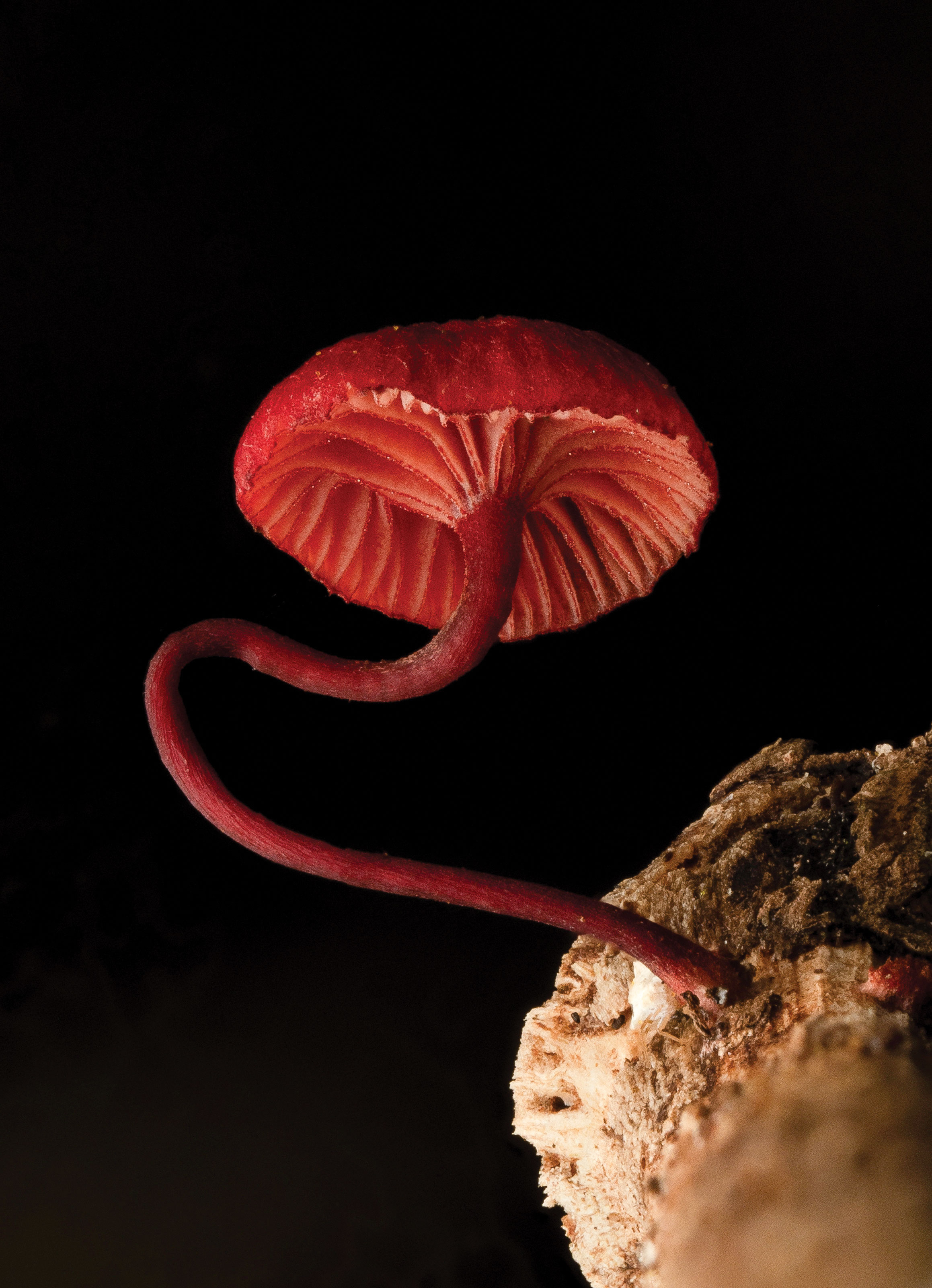
Noise has a “tangible impact” on soil, improving decomposition and helping fungi grow faster, new research finds.

Jake Robinson, a microbial ecologist from Flinders University in South Australia, buried dry teabags in pots of compost, then put the pots in soundproof, temperature-controlled rooms. Every day for two weeks, he played an eight-hour track; designed to muffle tinnitus, it sounds like a cicada stuck on “rasp”, with no variation. But it worked. In the pots exposed to the noise, the teabags bulged with fungal growth. More precise measures showed the same result: sound made for healthier soil. In a similar experiment, sound also boosted Trichoderma harzianum, a fungus that helps improve plant growth.

The mechanism is not yet clear, but Robinson writes that the finding “paves the way” to using sound as a tool to help restore ecosystems, as well as in agriculture.

Noise has a “tangible impact” on soil, improving decomposition and helping fungi grow faster, new research finds.

Jake Robinson, a microbial ecologist from Flinders University in South Australia, buried dry teabags in pots of compost, then put the pots in soundproof, temperature-controlled rooms. Every day for two weeks, he played an eight-hour track; designed to muffle tinnitus, it sounds like a cicada stuck on “rasp”, with no variation. But it worked. In the pots exposed to the noise, the teabags bulged with fungal growth. More precise measures showed the same result: sound made for healthier soil. In a similar experiment, sound also boosted Trichoderma harzianum, a fungus that helps improve plant growth.

The mechanism is not yet clear, but Robinson writes that the finding “paves the way” to using sound as a tool to help restore ecosystems, as well as in agriculture.

3 FREE ARTICLES LEFT

Subscribe for $1  | 

3 FREE ARTICLES LEFT THIS MONTH


Keep reading for just $1

$1 trial for two weeks, thereafter $8.50 every two months, cancel any time

Already a subscriber?

Signed in as . Sign out