

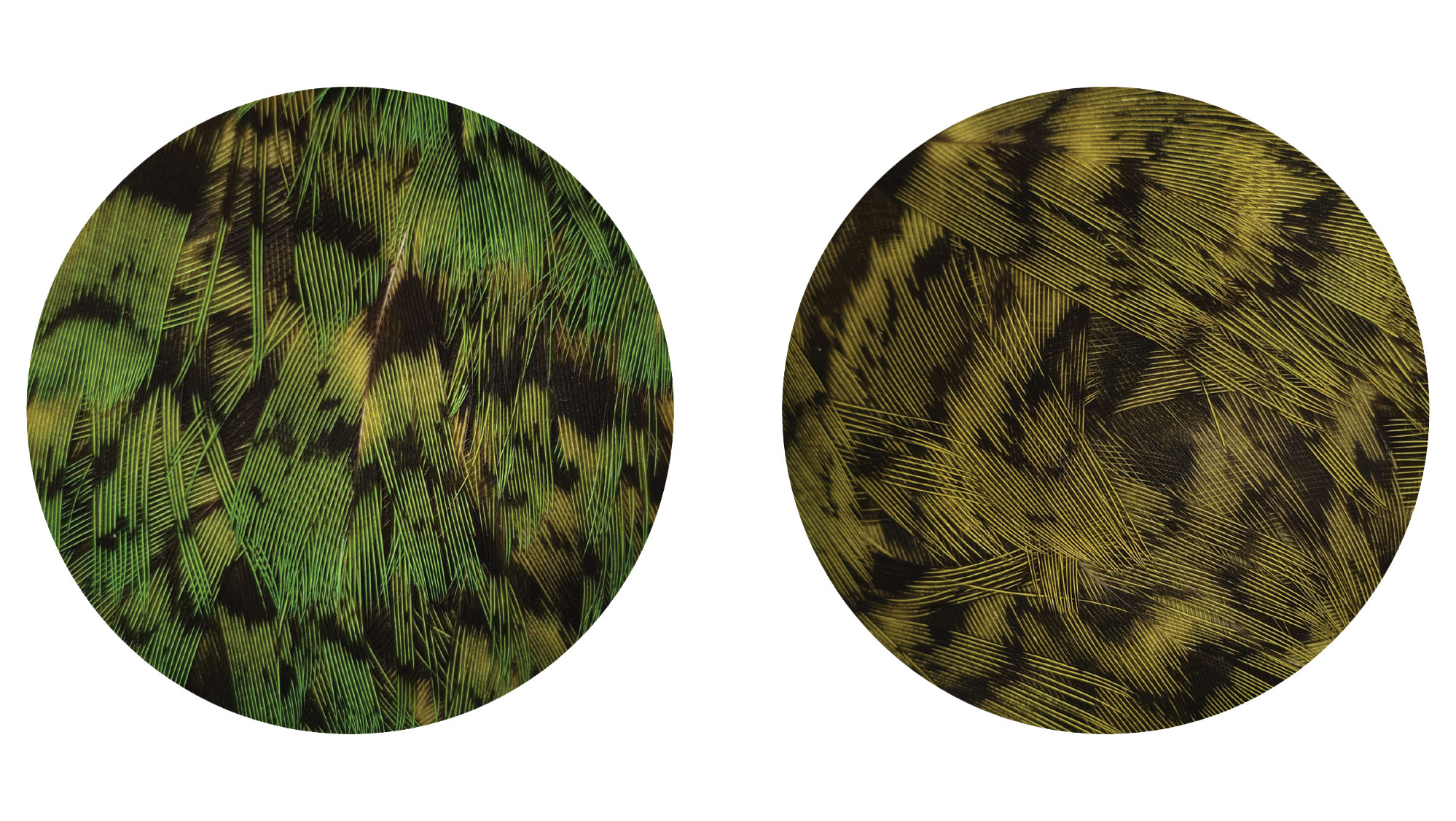
Hide and seek, kākāpō style

What to do when giant eagles are hunting you? Change colour, if you’re a kākāpō.

Researchers now think the reason kākāpō come in two hues—green or olive—is that once, they had to dodge flying apex predators such as the Haast’s eagle and kērangi, Eyles’ harrier.

Department of Conservation kākāpō specialist Andrew Digby says all kākāpō were once green. But a new study he co-authored shows that about half a million years after giant eagles arrived on the scene, “olive became the new kid on the block”. That novelty kept the olive birds safer.

“Birds of prey hunt by sight,” he says. “If you’re used to seeing green, you might not recognise olive as food.”

The research, published in PLOS Biology, drew on extensive genome sequencing of nearly all living kākāpō. The findings suggest the rarer colour at any point was harder for predators to spot. That advantage meant the dominant shade swung back and forth, showing up today as an even split.

“It’s really unusual. Usually one would become dominant, and the other would drift away,” says Digby. Even more unusually, it seems a single gene controls the colour switch.

“I got a really, really strong signal,” says Lara Urban, a research fellow at the University of Otago, who decoded the genetic explanation. “Strong enough to accurately predict the future colour of a fluffy white chick, based on parent genomics alone. It was almost too good to be true.”

The value of the work, she says, is considering whether the green-olive divide still serves a purpose in a tightly managed population of just 244 birds—with no huge birds of prey in play.

“The beauty is that we can now ask if it’s important to keep both colours,” says Urban. “When we’re trying to expand the population and bring kākāpō back to the mainlaind, is there a fitness advantage?”

The short answer, she says, is no. Colour differences in kākāpō are “ghosts of selection past” and one less thing for conservationists to worry about maintaining.

What to do when giant eagles are hunting you? Change colour, if you’re a kākāpō.

Researchers now think the reason kākāpō come in two hues—green or olive—is that once, they had to dodge flying apex predators such as the Haast’s eagle and kērangi, Eyles’ harrier.

Department of Conservation kākāpō specialist Andrew Digby says all kākāpō were once green. But a new study he co-authored shows that about half a million years after giant eagles arrived on the scene, “olive became the new kid on the block”. That novelty kept the olive birds safer.

“Birds of prey hunt by sight,” he says. “If you’re used to seeing green, you might not recognise olive as food.”

The research, published in PLOS Biology, drew on extensive genome sequencing of nearly all living kākāpō. The findings suggest the rarer colour at any point was harder for predators to spot. That advantage meant the dominant shade swung back and forth, showing up today as an even split.

“It’s really unusual. Usually one would become dominant, and the other would drift away,” says Digby. Even more unusually, it seems a single gene controls the colour switch.

“I got a really, really strong signal,” says Lara Urban, a research fellow at the University of Otago, who decoded the genetic explanation. “Strong enough to accurately predict the future colour of a fluffy white chick, based on parent genomics alone. It was almost too good to be true.”

The value of the work, she says, is considering whether the green-olive divide still serves a purpose in a tightly managed population of just 244 birds—with no huge birds of prey in play.

“The beauty is that we can now ask if it’s important to keep both colours,” says Urban. “When we’re trying to expand the population and bring kākāpō back to the mainlaind, is there a fitness advantage?”

The short answer, she says, is no. Colour differences in kākāpō are “ghosts of selection past” and one less thing for conservationists to worry about maintaining.

3 FREE ARTICLES LEFT

Subscribe for $1  | 

3 FREE ARTICLES LEFT THIS MONTH


Keep reading for just $1

$1 trial for two weeks, thereafter $8.50 every two months, cancel any time

Already a subscriber?

Signed in as . Sign out