

Pop goes the weevil

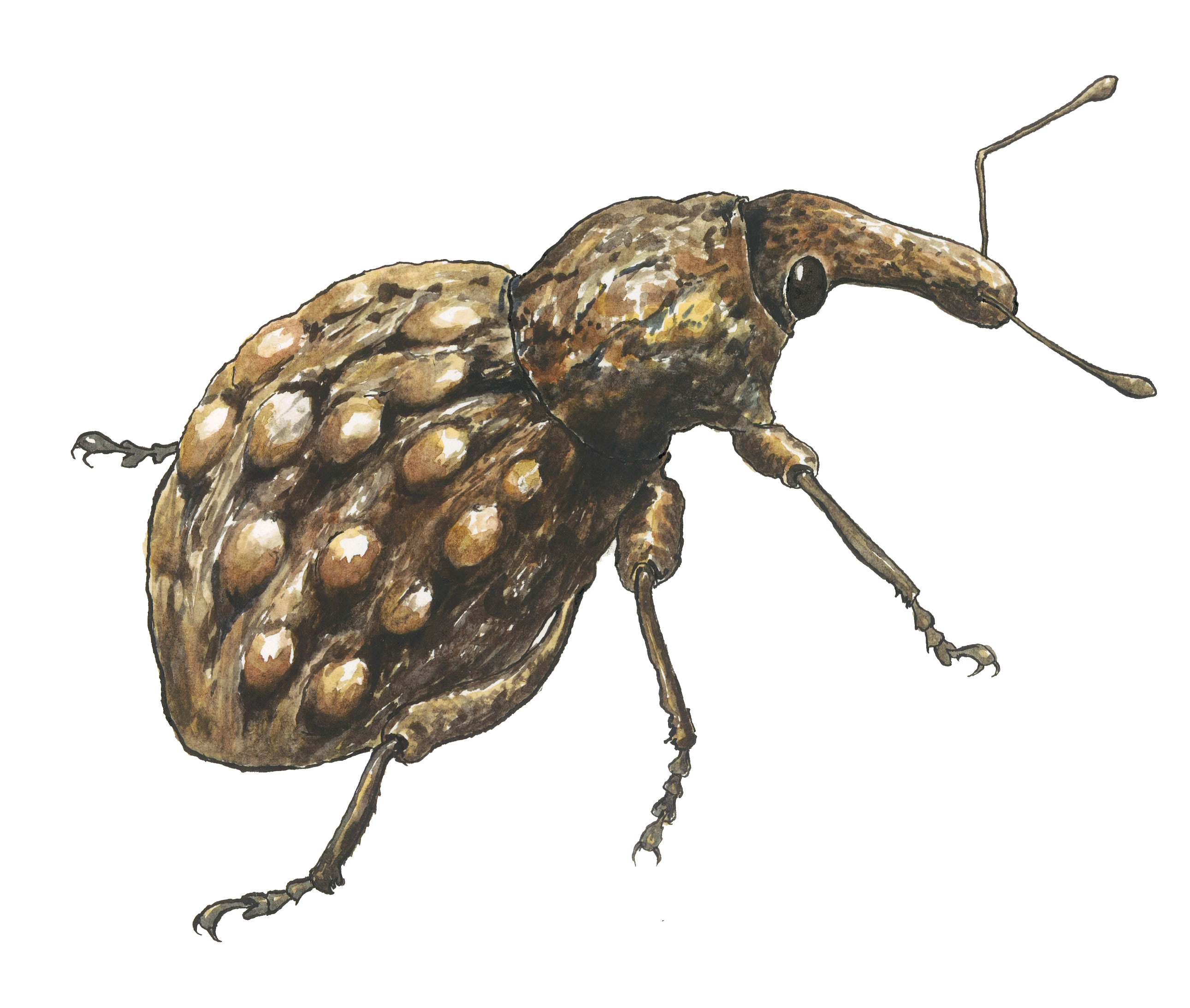
In November 2024, on the wind-whipped shores of Ōtūwharekai, the Ashburton Lakes, retired farmer John Evans was checking his trapline when he spied three bugs on the speargrass. They looked like “hare turds”, he thought.

Sensing they had an audience, the critters started bumbling towards the base of the spiky plant to tuck themselves out of reach. Curious about the unusual, knobbly creatures, Evans snapped a photo to see if anyone could ID them online.

Overnight, the entomology community of Aotearoa all but exploded with excitement. Evans had found a new population of the critically endangered Canterbury knobbled weevil, Hadramphus tuberculatus.

“All the blimmin’ entomologists are just over the moon,” he says. “Someone even tried to say I was like that guy who rediscovered the takahē.”

In fact, this was the second big breakthrough on the knobbly-weevil front.

For 80 years, despite regular searches by entomologists, the weevil was presumed extinct.

Then, in 2004, a single specimen was spotted beside a busy highway in Burkes Pass. The Lazarus emergence of the species was incredible news, but a single, isolated community is a fragile buffer against the ongoing threats these insects face. Drought, fire or a particularly hungry hedgehog could all spell extinction for the weevil—again.

In recent years, the Burkes Pass population hasn’t been tracking well. There were never that many weevils there, and numbers have long been in the single digits.

“This second population is a game changer,” says Tara Murray, project lead for the species with the Department of Conservation.

Unlike their cousins across the divide, the Ōtūwharekai population is pumping. “We counted more weevils in our first few surveys than we have ever seen at Burkes Pass,” says Murray. “Now that we have two populations to study, we can work out what conditions they need to thrive.”

In November 2024, on the wind-whipped shores of Ōtūwharekai, the Ashburton Lakes, retired farmer John Evans was checking his trapline when he spied three bugs on the speargrass. They looked like “hare turds”, he thought.

Sensing they had an audience, the critters started bumbling towards the base of the spiky plant to tuck themselves out of reach. Curious about the unusual, knobbly creatures, Evans snapped a photo to see if anyone could ID them online.

Overnight, the entomology community of Aotearoa all but exploded with excitement. Evans had found a new population of the critically endangered Canterbury knobbled weevil, Hadramphus tuberculatus.

“All the blimmin’ entomologists are just over the moon,” he says. “Someone even tried to say I was like that guy who rediscovered the takahē.”

In fact, this was the second big breakthrough on the knobbly-weevil front.

For 80 years, despite regular searches by entomologists, the weevil was presumed extinct.

Then, in 2004, a single specimen was spotted beside a busy highway in Burkes Pass. The Lazarus emergence of the species was incredible news, but a single, isolated community is a fragile buffer against the ongoing threats these insects face. Drought, fire or a particularly hungry hedgehog could all spell extinction for the weevil—again.

In recent years, the Burkes Pass population hasn’t been tracking well. There were never that many weevils there, and numbers have long been in the single digits.

“This second population is a game changer,” says Tara Murray, project lead for the species with the Department of Conservation.

Unlike their cousins across the divide, the Ōtūwharekai population is pumping. “We counted more weevils in our first few surveys than we have ever seen at Burkes Pass,” says Murray. “Now that we have two populations to study, we can work out what conditions they need to thrive.”

3 FREE ARTICLES LEFT

Subscribe for $1  | 

3 FREE ARTICLES LEFT THIS MONTH


Keep reading for just $1

$1 trial for two weeks, thereafter $8.50 every two months, cancel any time

Already a subscriber?

Signed in as . Sign out