Whale of a tale

A souvenir to foreshadow a society...

Turning over a new leaf

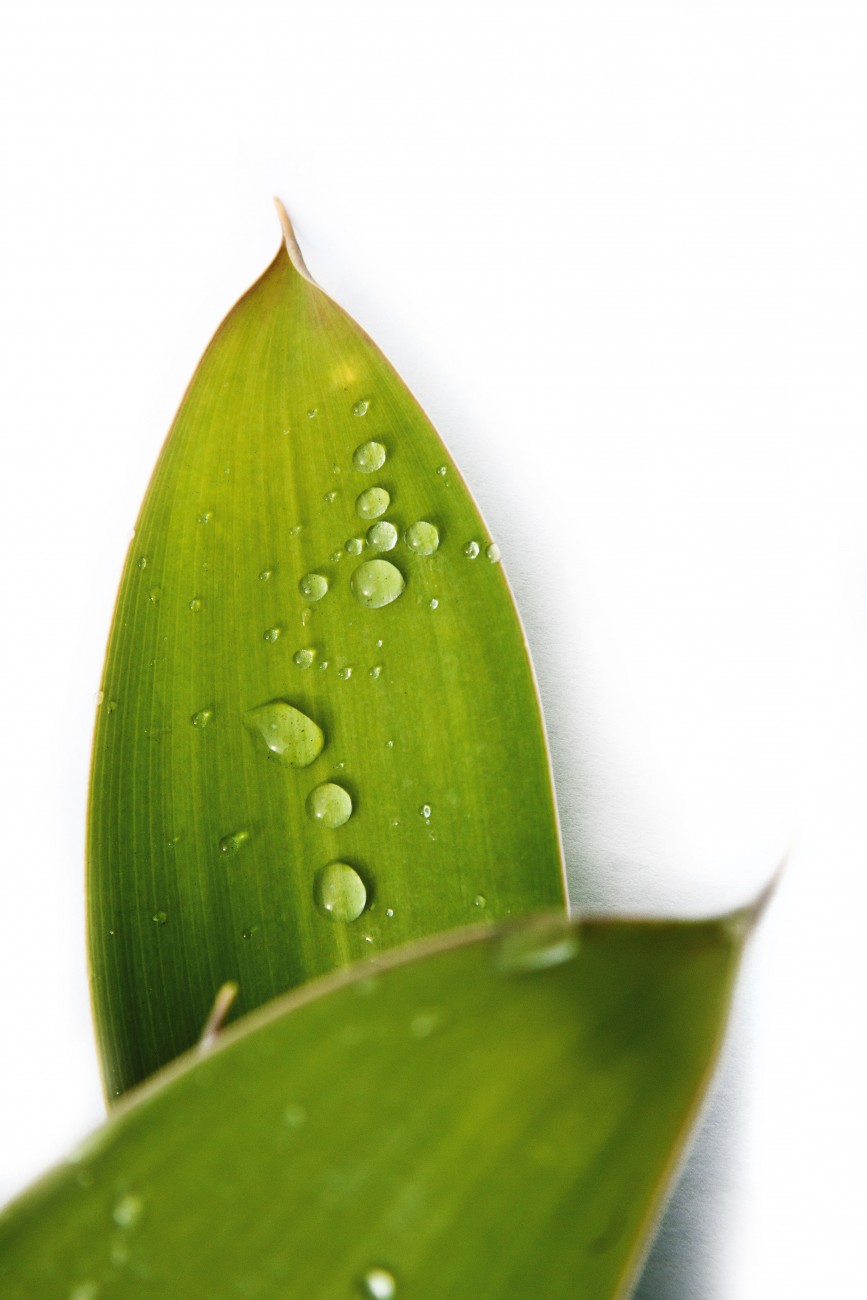
The lotus leaf sets the international benchmark for the ability of its leaves to repel water, but a study published in the Journal of the Royal Society of New Zealand classified some New Zealand natives as ‘superhydrophobic’—species of hebe (Veronica albicans), Euphorbia (Euphorbia glauca) and also the rengarenga lily (Arthropodium bifurcatum). Water droplets on leaves […]...

Femmes fatales

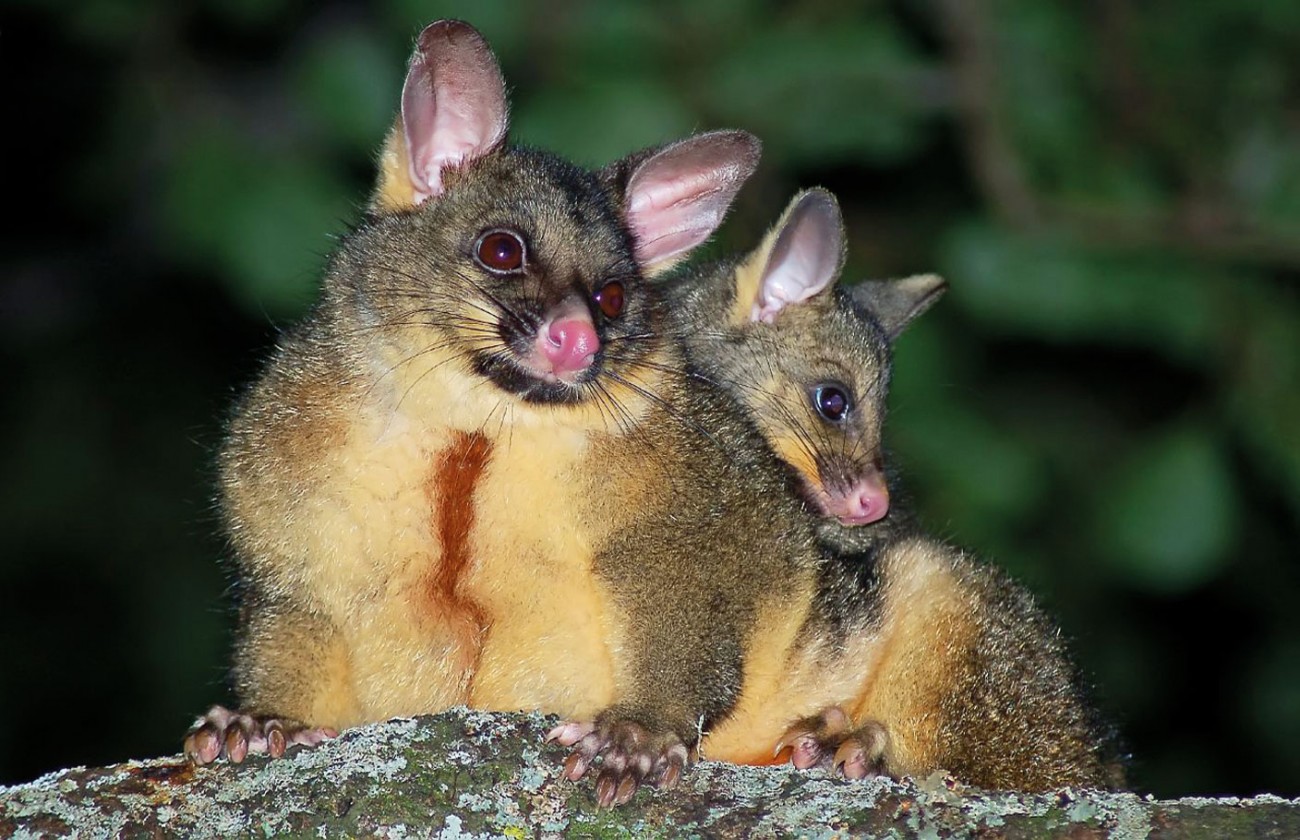
A new pest-control technique that affects only the fertility of males in a pest population could be a humane, non-lethal and effective solution to damaging populations of possums and rats in New Zealand. Published in the Proceedings of the Royal Society B, the Trojan Female Technique uses natural genetic mutations to render males infertile but […]...

Headstrong

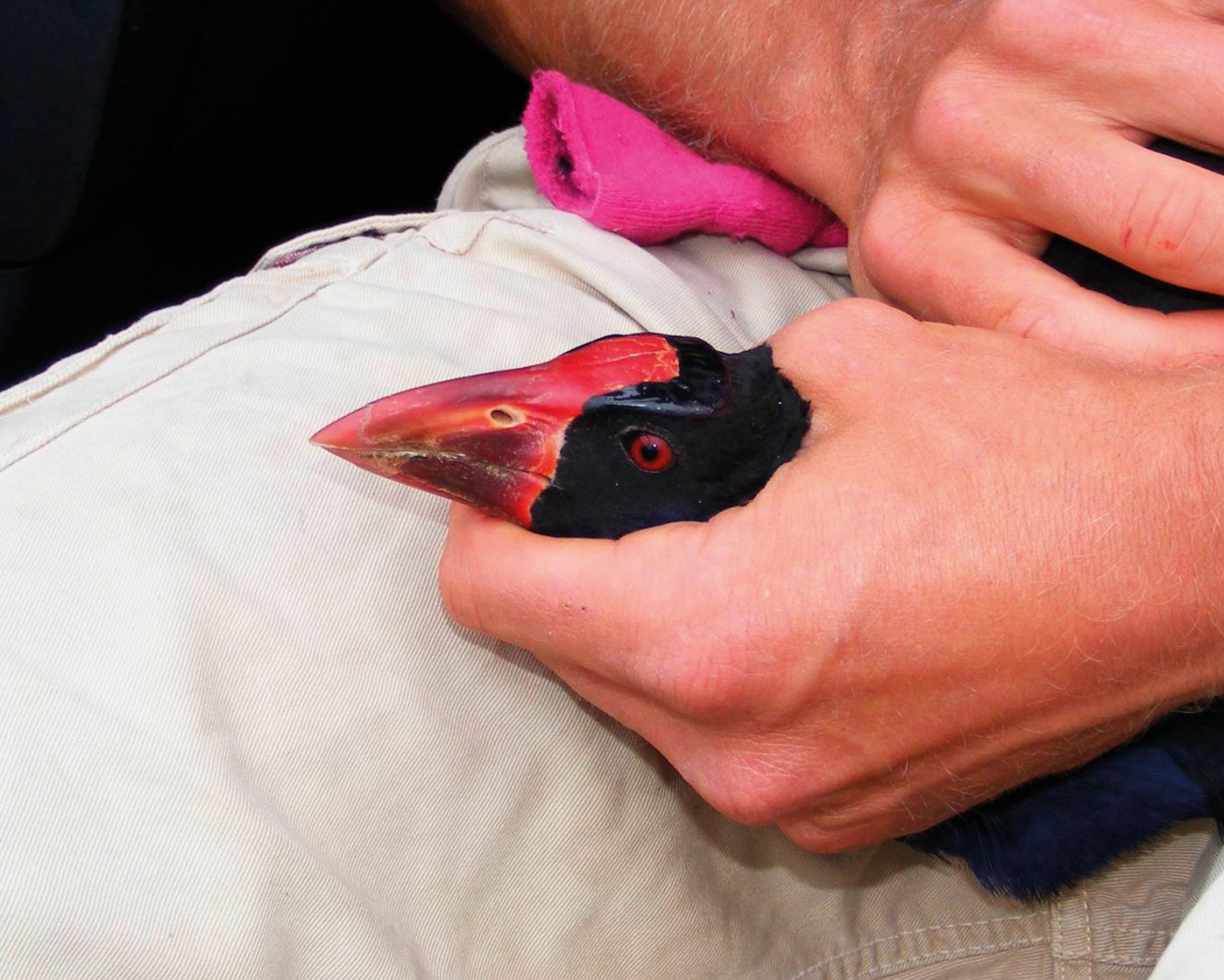
Take it from the pukeko, it pays to be honest...

Inundation

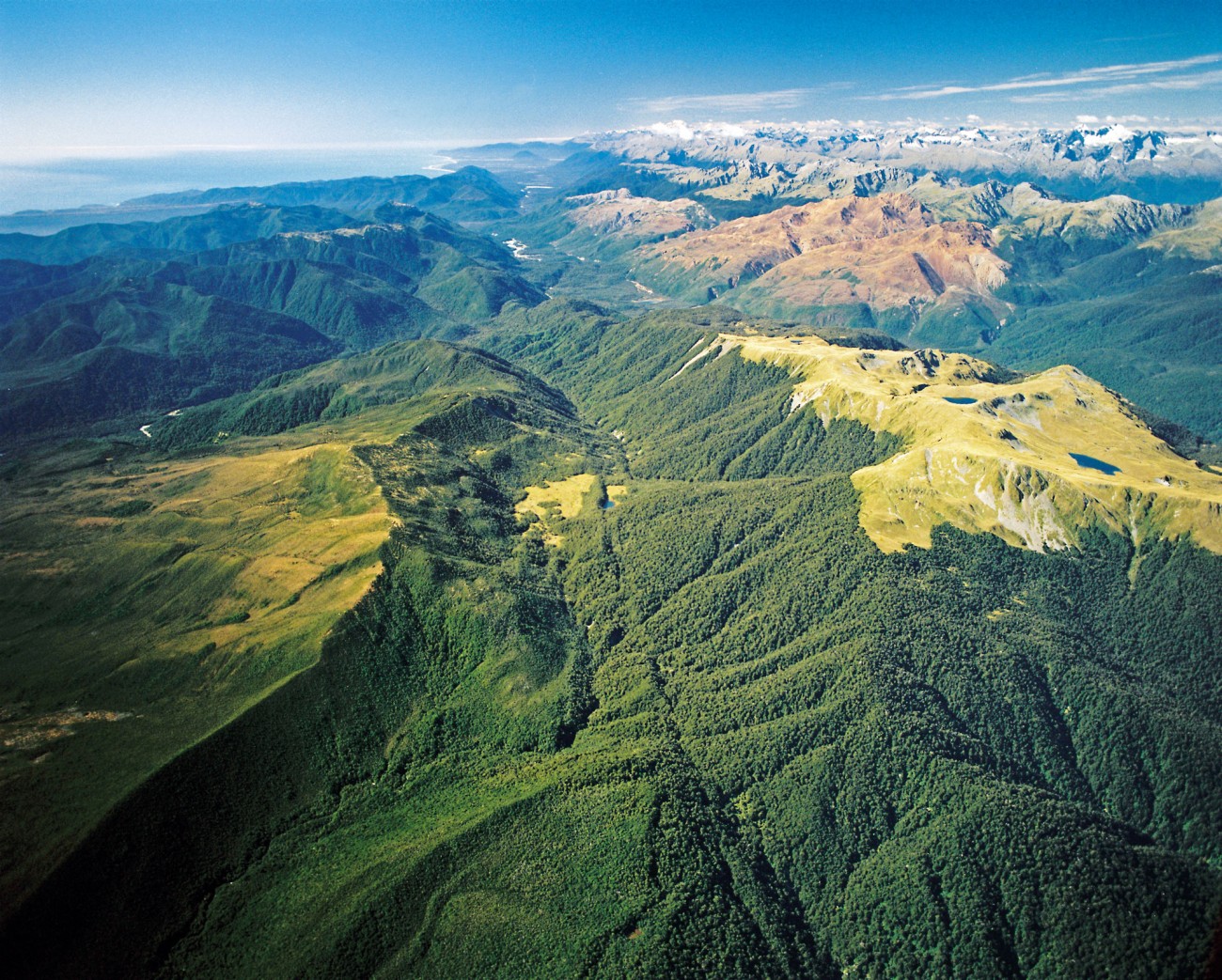
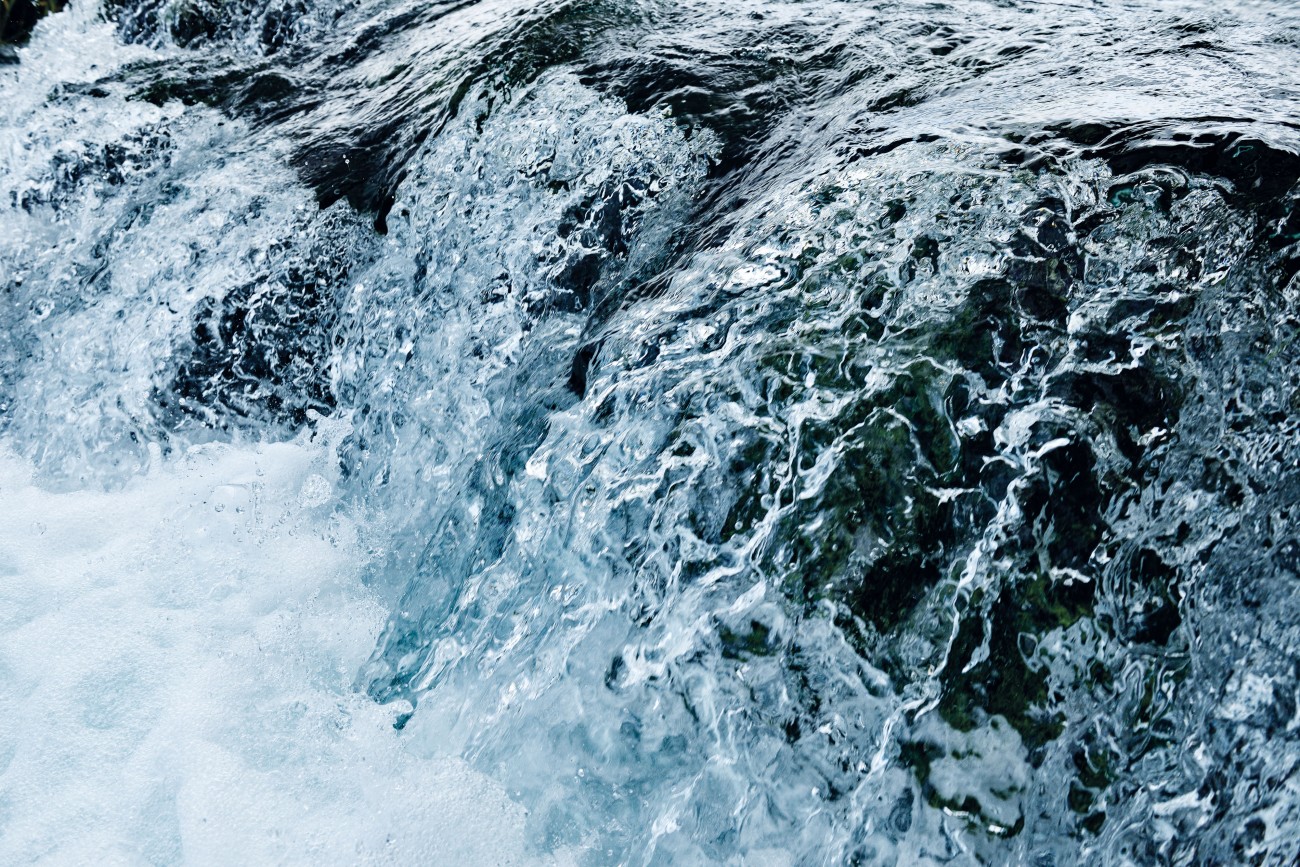
Like all of us, our nation began life cocooned in water. And as the Pacific plate drove into the Indo­-Australian, Zealandia emerged from the waves, a new continent rising from the seas as if baptised. Ever since, this land mass has been pelted with rain borne by the westerlies that circle the Southern Ocean, and water […]...

The Big One

The Alpine Fault ruptures—on average—every 330 years with a magnitude 8 earthquake. Geologists and authorities are racing to quantify what might happen, and how they might respond in the event of the next one, likely to occur some time in the next 50 years....

A musical migration

Since the Immigration Act of 1987, migration from the Indian subcontinent has swelled Auckland’s suburban population, bringing with it a cultural cargo of music and dance that has coloured urban life and changed what it means to be a New Zealander....

Liquidation

Water, our most precious natural asset, offers amenity, a habitat for aquatic species and a focus for recreation. But it also turns the turbines of industry and powers New Zealand’s agricultural economy. Economic development and environmental integrity are at odds in a struggle for control over this great resource. Are we mortgaging our future for […]...

Lessons from the Wasteland

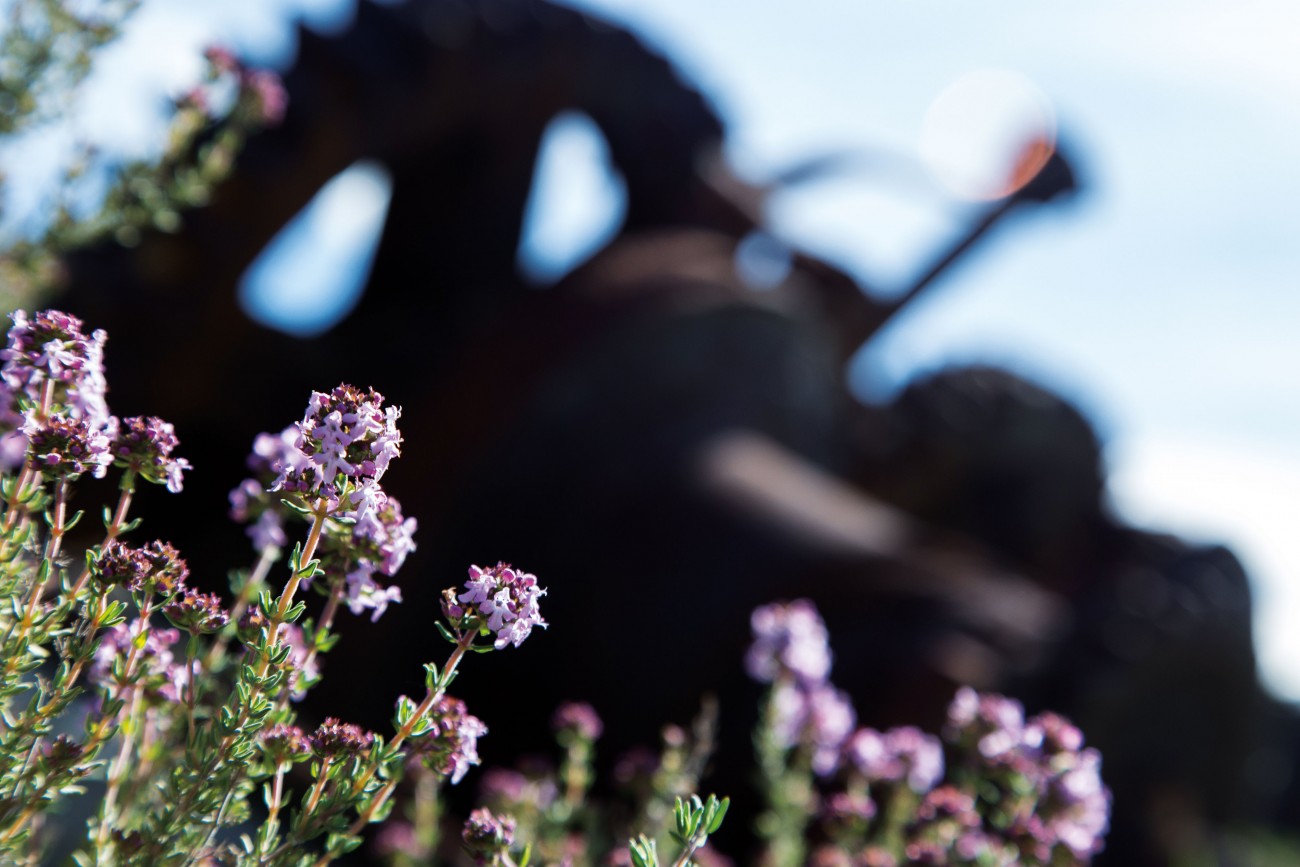
Rust, lichen and wild Central Otago thyme combine forces to consume and cover the last traces of human industry at the Earnscleugh Dredge Tailings near Alexandra. Mined and washed of their gold from the 1890s, the river gravels have become a sanctuary for rare species, and one of the country’s most unusual wildlife reserves....

How it began

. . . and why it continues. The view from 25....

The invisible multitude

A tribute to the contributors...

New Zealand on ice

Science goes south, to Scott Base...

Some like it tough

Graeme Dingle looks back on a life of adventure....
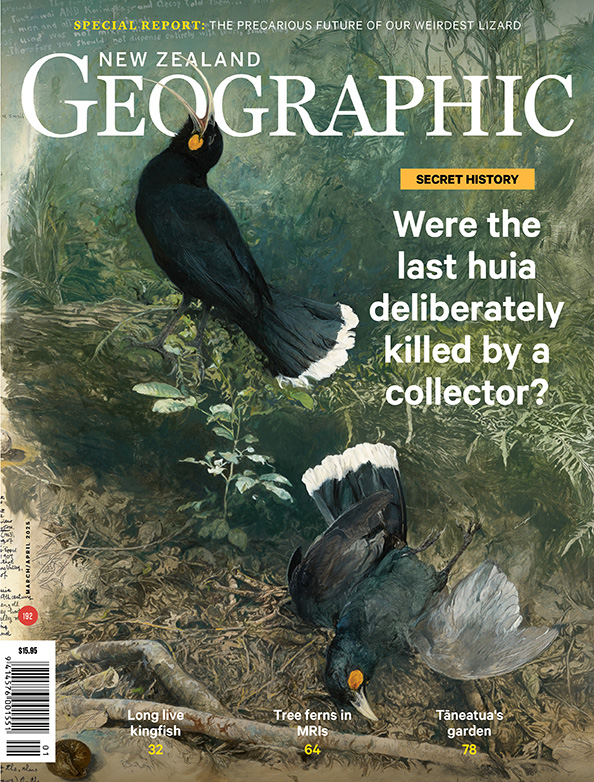
Sentient beings

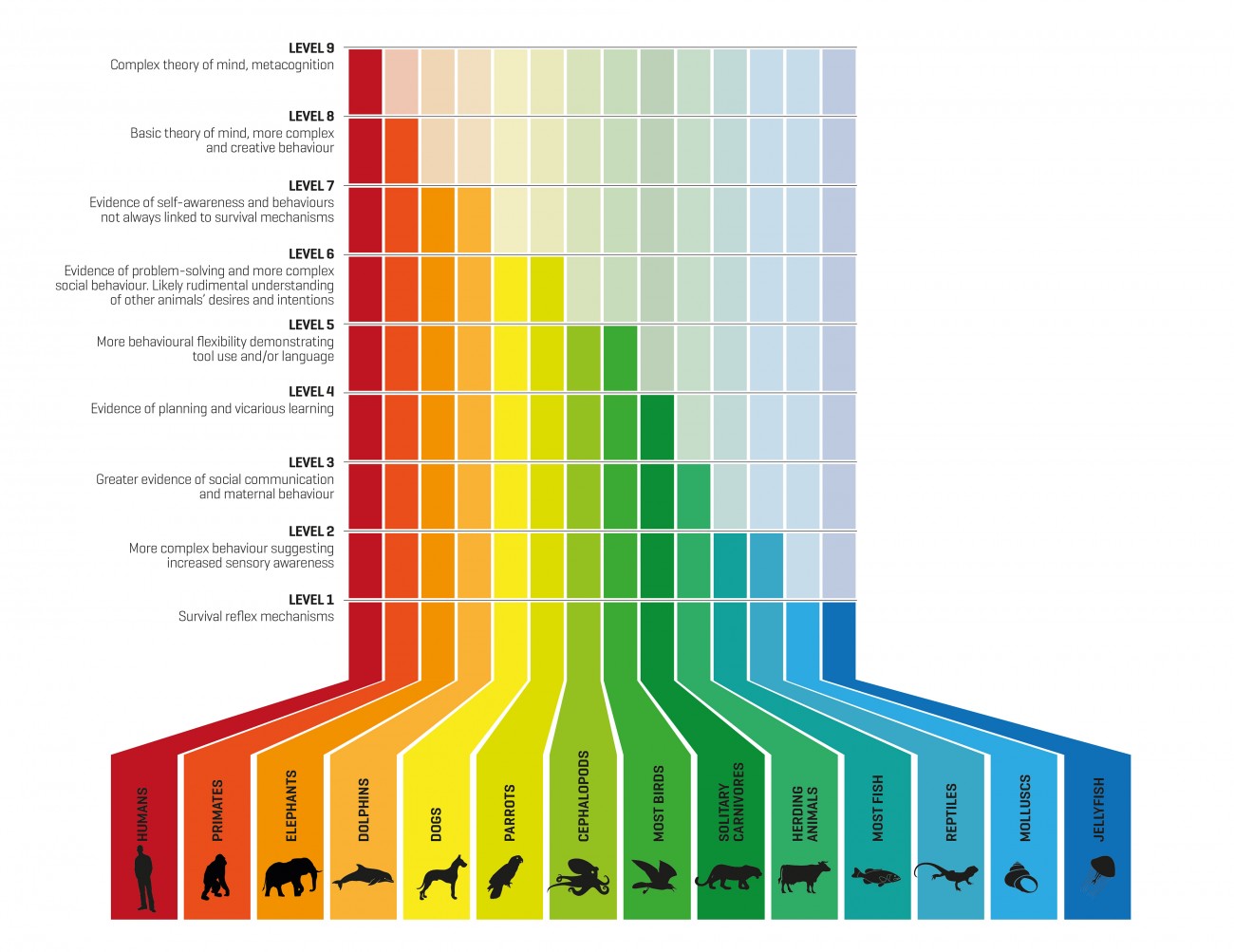
Animals “eat without pleasure, cry without pain, grow without knowing it; they desire nothing, fear nothing, know nothing.” – French rationalist Nicolas Malebranche, The Search After Truth and Elucidations (1674)...
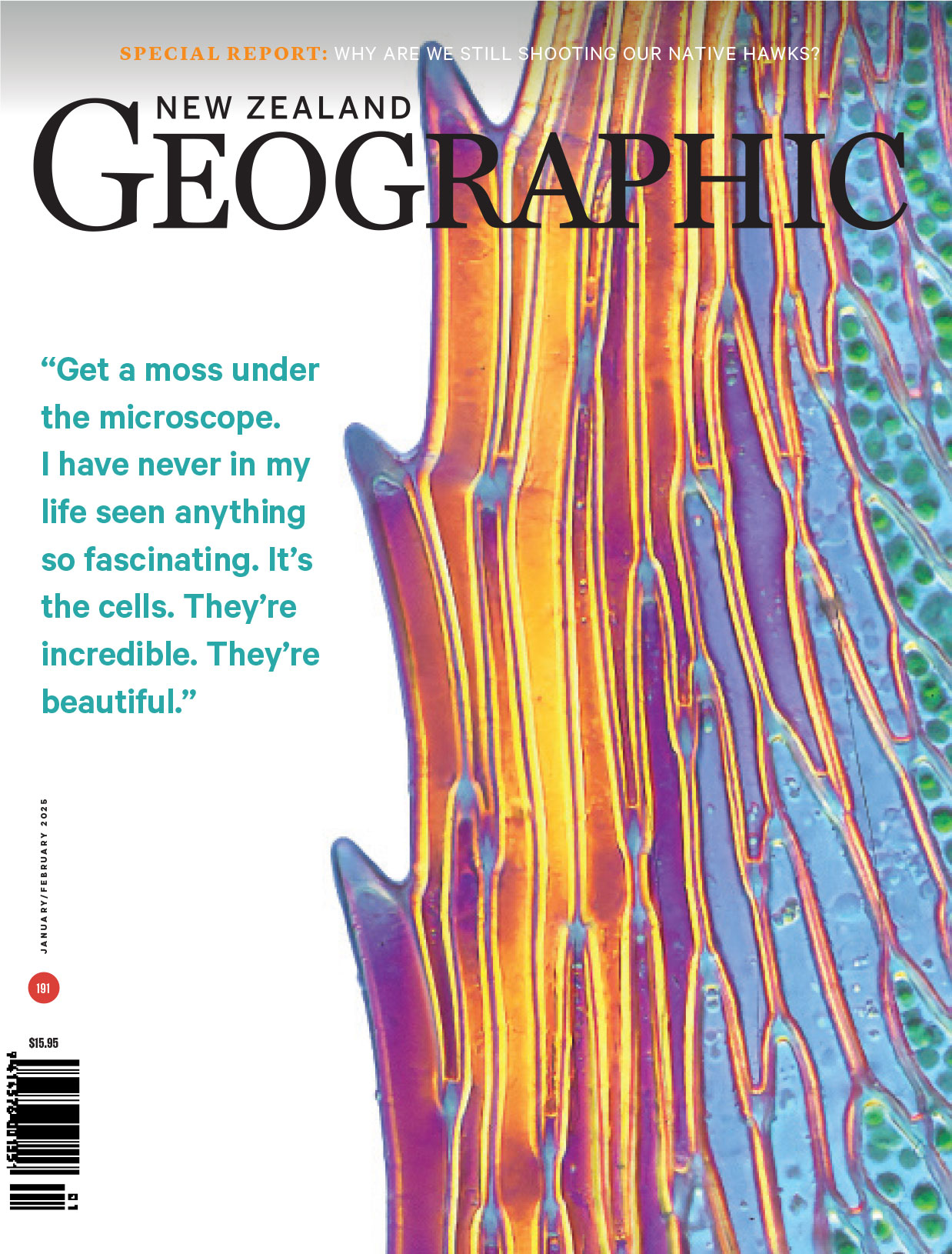
A climate of fear

Warming makes destructive cyclones more common....
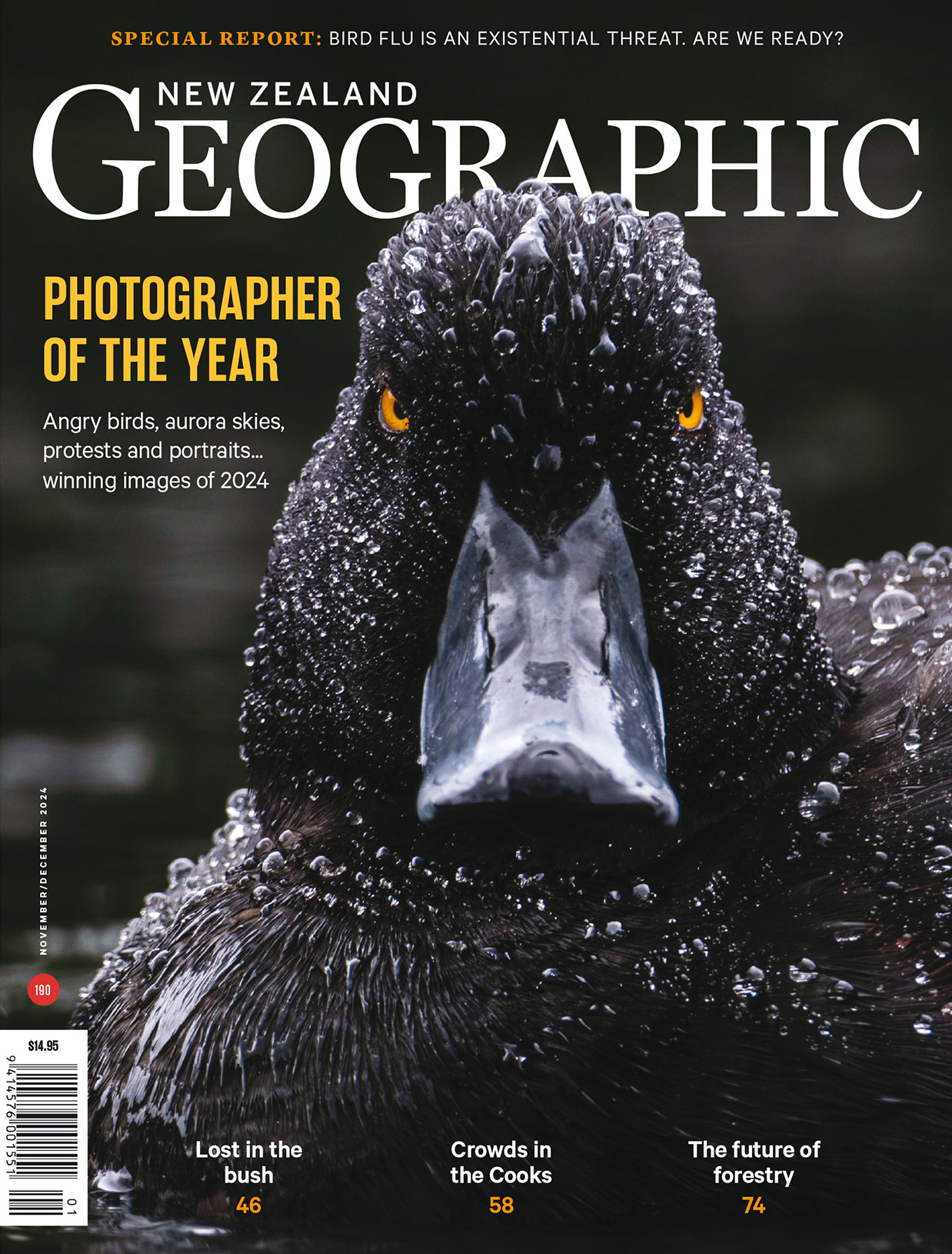
Tihaka Beach track

This coastal track connects Colac Bay with Riverton and is mostly near the coast. For Te Araroa through walkers heading south, the excitement builds as the finish line comes into sight—while for those heading north, as they leave the southern coast the realisation sets in that it really is quite a long way to Cape […]...
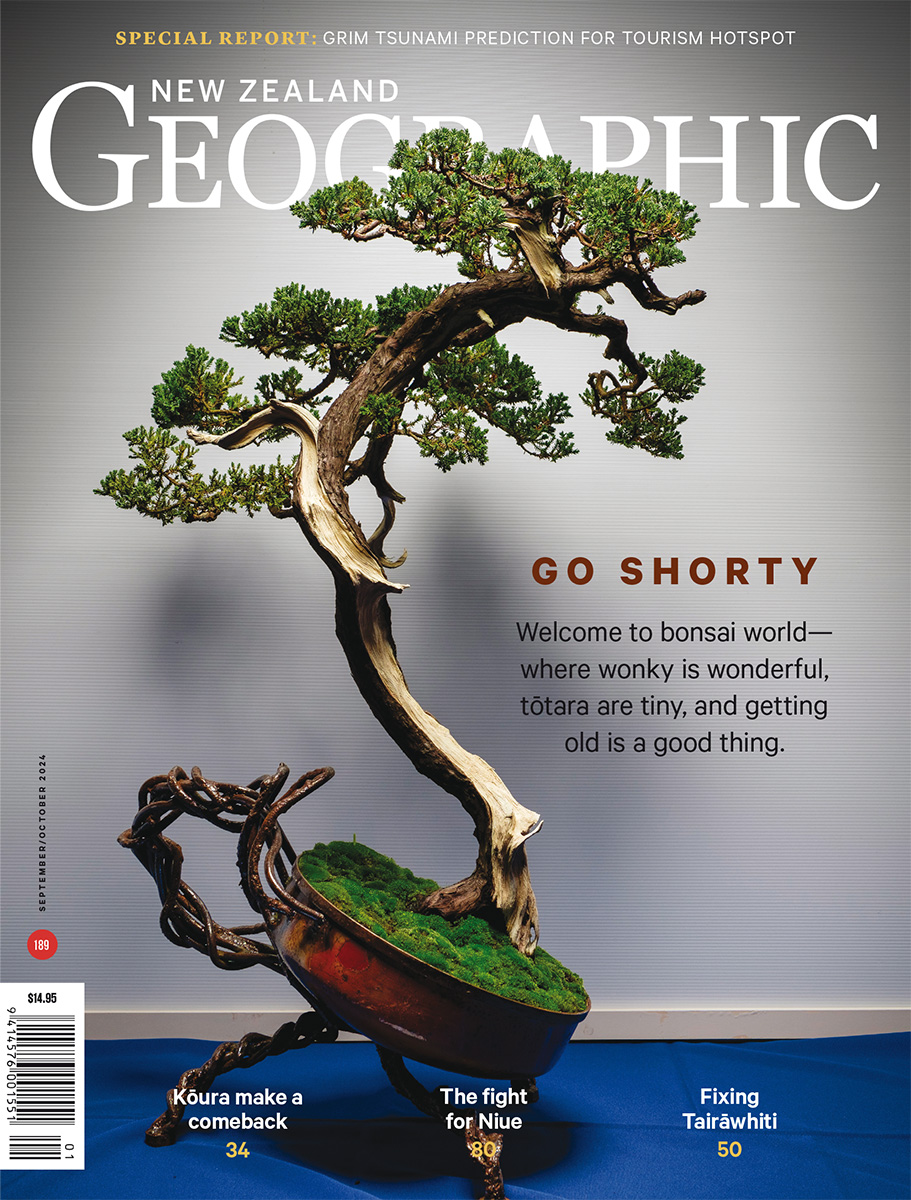
Magazine

Issue 200

Jul - Aug 2026

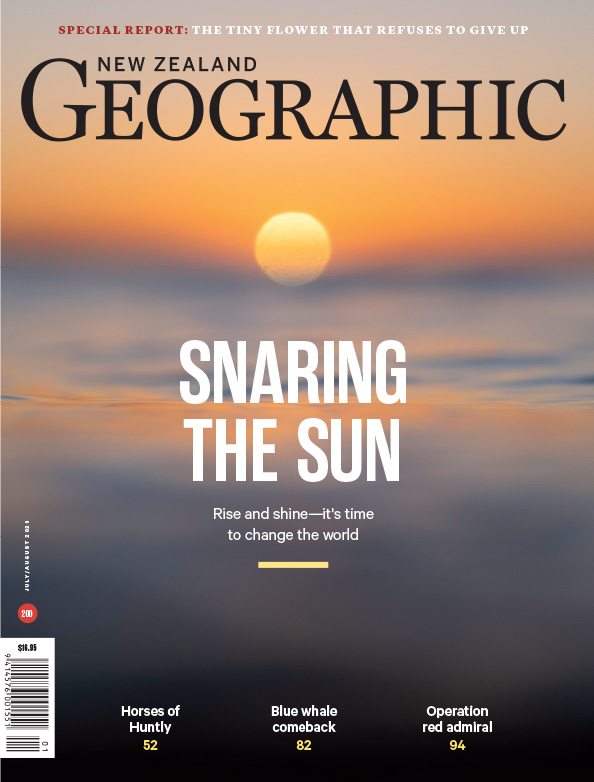
Solar power
Horses of Huntly
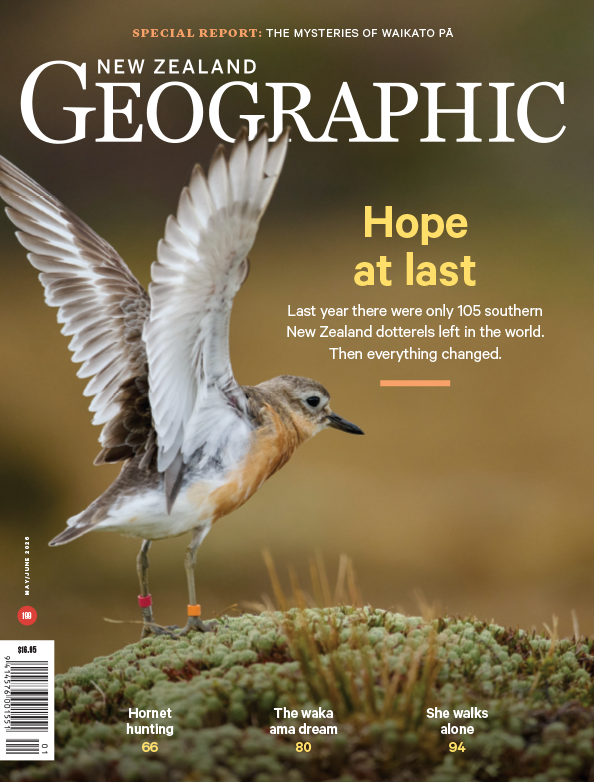
Forget me not
Whaling
Red admirals

Issue 200 Jul - Aug 2026

Trending

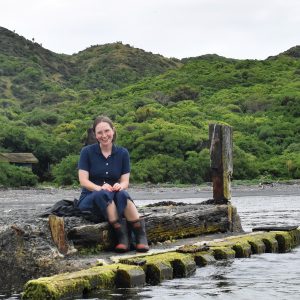
Flora Feltham wrote an early version of our cover story when she was living on Wellington’s predator-free reserve Mana Island with her husband, then a DOC ranger. The couple spent two years on the island, often alone, spanning Feltham’s first pregnancy and 10 months of their baby’s life. An incredible honour, she says, but it […]...
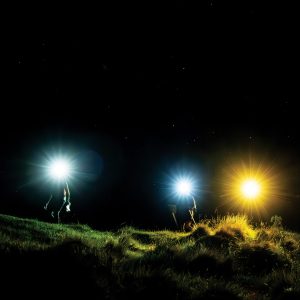
A diabolical gamemaker scatters 85 flags across the Pisa Range. He assigns each flag a certain number of points. Some are buried in brambles, others hidden in gorges. Some, fiendishly, will lead you away from fresh water. You have 24 hours, and a map. Go....
Outdoor education is at a crossroads....
The age of fossil fuels is ending, and the world is entering the era of solar power. What matters now is how fast we make the shift....
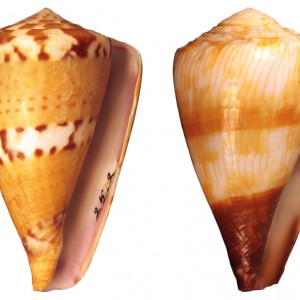
Using UV photography and Photoshop, a scientist recreated the colours of a 4.9-million-year-old cone snail....
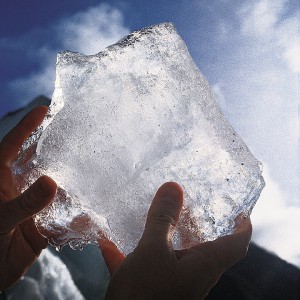
ICE. At one extreme, it is the humble cube which puts the clink in your drink on a hot summer’s afternoon. At the other, it is a major cog in the engine which drives the world’s weather. Further­more, its behaviour over the ages may have played a pivotal role in human evolution. At the heart […]...
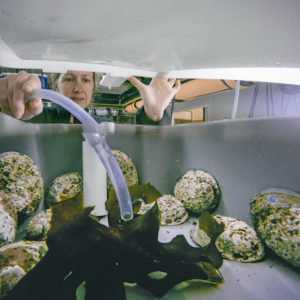
Warming seas will make life much harder for pāua, a NIWA study has found. Scientists raised young pāua in seawater of various temperatures and pH levels, then monitored their growth. “Essentially, seawater of the future will be warmer, with lower pH levels,” said Vonda Cummings, pictured, who led the study. “We found that the outer […]...
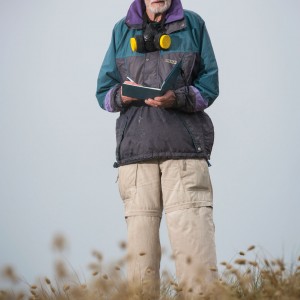
Volcanologist Peter Otway has spent more than 60 years trying to predict the unpredictable....
One of the greatest difficulties in astronomy is that of getting a feel for the relative size of celestial bodies and the distances between them. The problem arises because the objects are tiny—minute, even—compared to the distances which separate them. This is true even of such a cosy little corner as our Solar System. For […]...
Butterflies and moths are active in the middle of the day, and mostly through spring and summer. So that’s when Chrissie Ward, 77, goes for her transect walks. Once a week, right through every warm season since the spring of 2009, she has walked the same 4.5 kilometres around the outskirts of Nelson, following and […]...

Archive

×

Subscribe to our free newsletter for news and prizes