Glenn Busch, Te Papa Press, $75 (more…)
More by Catherine Woulfe




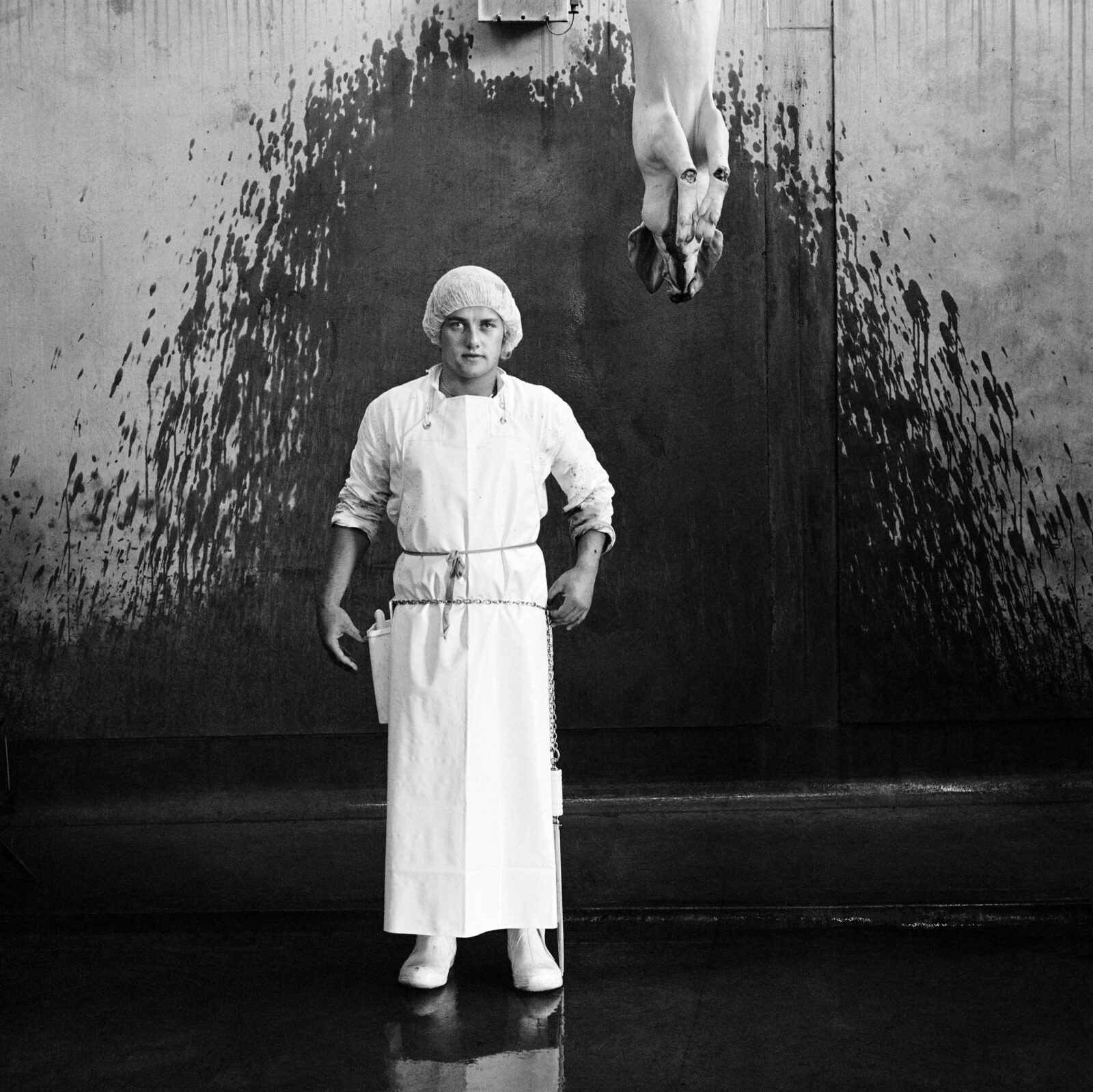
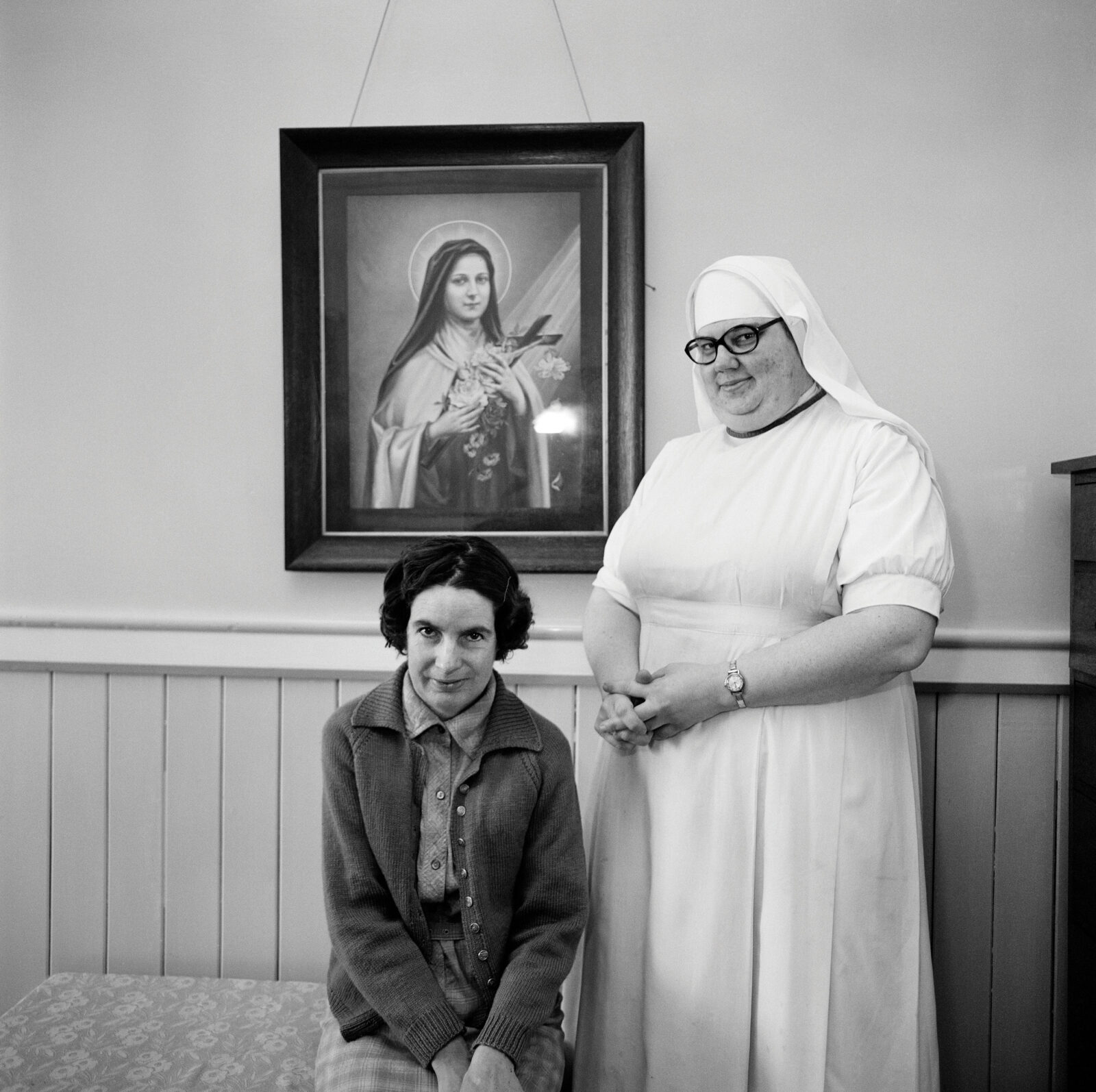
New Zealand photographer Glenn Busch has been shooting since the early 70s, notably documenting the marginalised—labourers, the elderly, the disabled—and shunning the set-ups and frippery of early portraiture. Instead, he puts people in context: hard work, hard lives. Nobody looks like they’ve perked up for the photo. They wear grimy overalls, they’re knackered, they’re leaning on shovels or tucked into institutionally-neat beds. Mostly, they look straight down the barrel.
There really is a man holding a fish, and he is an exception in this book—because as well as his photo, we get a snippet of a story. Early morning, Auckland fish markets. A cheerful worker lifts a big kingy. “Take a picture of this,” he says. Watching the image develop in his darkroom, Busch realises it is the first picture he’s taken “that seems to say something all by itself”.
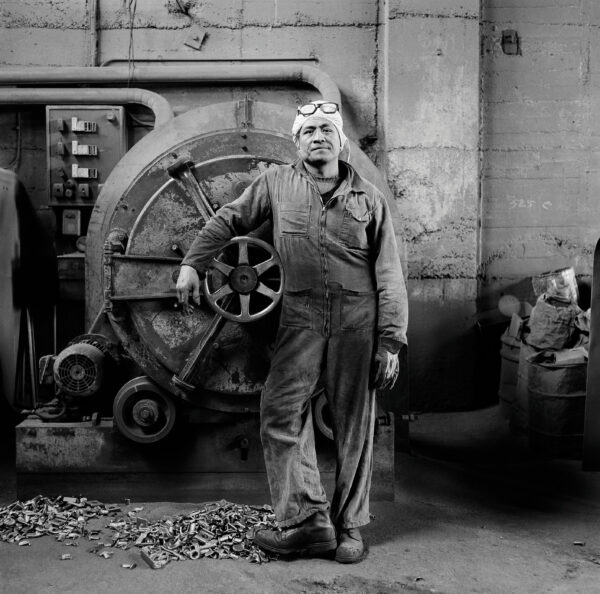
That was decades ago. Now, Busch explains in an opening essay, he is tussling anew with the limits of portrait photography. As a naive young man, he writes, he used to consider a portrait to be “a small story, or at least part of a story”. Now, the frames strike him as fragments, fleeting moments. In this collection, as in much of his previous work, the images stand alone, without names or any backstory at all. (Appropriately, the book’s spine is naked, stripped back to glue.)
Perhaps it’s more useful, then, to consider these photos to be stories about Busch—his eye and his soft spots, those fleeting moments that make up an artistic life.
More by Catherine Woulfe
Subscribe to our free newsletter for news and prizes
3
$1 trial for two weeks, thereafter $8.50 every two months, cancel any time
Signed in as . Sign out