For 50 years, punters had one hour every evening to get their booze in. It did not go well. (more…)
More by Don Rowe



The autopsy was clear. Frederick George Walker and Kevin James Speight, two “sly groggers” running a clandestine speakeasy, had been executed. Their bodies were riddled with .45 calibre slugs fired from a sub-machine gun—a “tommy-gun”—the weapon favoured by bootlegger Al Capone’s goons, with its wood finish and iconic drum magazine. But Messrs Walker and Speight weren’t Chicago mobsters. They were peddling illicit beers from a villa in Remuera, December 1963, in the dying days of New Zealand’s experiment with temperance and prohibition.
Half a century prior, in 1917, as World War I continued to destroy the collective wealth of the Old World and bury a generation of young men under French mud, the temperance movement here at home had seen an opportunity. Sober workers, they argued, are productive workers, and the war aims would be furthered if labourers weren’t showing up to work deathly hungover. (Some years earlier, rather than banning drink, the government had banned women. In 1910, “barmaids” were prohibited from serving alcohol. In 1916, it became illegal for women who were not related to or employed by the publican to be in a bar.)
In response to ratcheting prohibitionist pressure, and as a compromise to outright banning the sale of alcohol, the government of the day instituted a 6pm closing time for hotel bars and public houses. It was pitched as a temporary wartime measure. Last call at 5.45pm, out by 6. The policy became permanent in 1918, and total prohibition was avoided by the slimmest of margins—four separate votes between 1919 and 1925 failed to get it across the line.
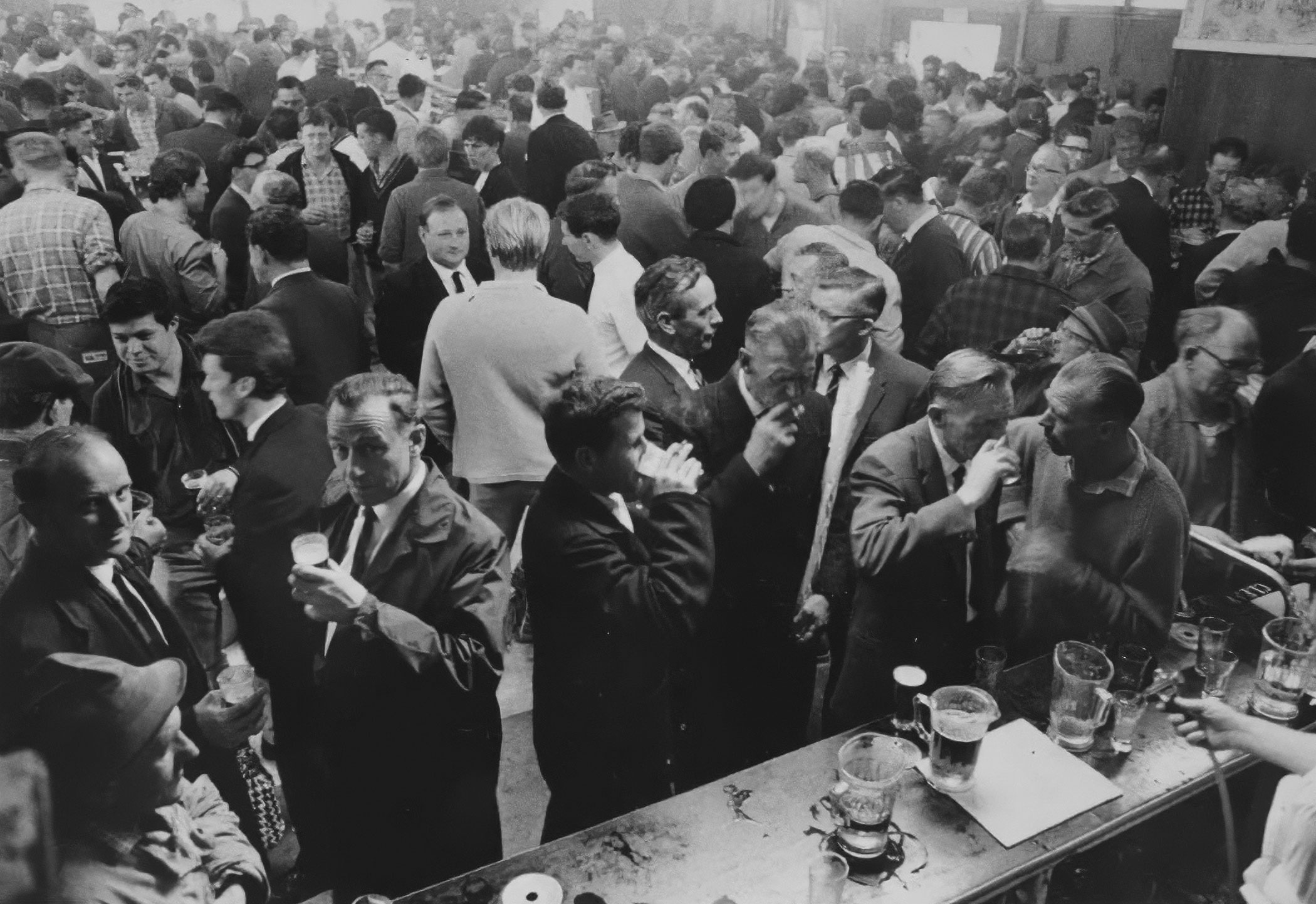
The 6pm close never did much to curb punters’ thirsts. From tools down to closing time, men —and it was men—would guzzle down beers like foie gras geese before spilling out onto the streets in states of total intoxication.
Through the mean, tough years of the Great Depression and the slaughter of World War II, the New Zealand working man hitting the pub at 5pm had 60 minutes to get royally plastered and make it home in time for tea. You don’t need to be a social worker to imagine what came next.
Perhaps ironically, it was in part the return of servicemen who had been exposed to European ideas of drinking in moderation—still incomprehensible to many Kiwis today—which laid the foundation for the repeal of prohibitionist policy. Influential, too, were the tourists who took advantage of the miracle of commercial air travel to visit these distant lands, only to find a country which bedded down like the Goodnight Kiwi before most cosmopolitans were considering an apéritif.
To its supporters, the failure of the 2020 referendum on the proposed Cannabis Legalisation and Control Bill would have seemed typical of stodgy old New Zealand. The idea of liberalising drug laws was too much for a country which still has a parochial suspicion of hedonism and excess.
Perhaps few would have been as surprised by our modern puritanism than punters and publicans on October 9, 1967, when it finally became legal once more to buy a jug of beer after 6pm. The results of the nationwide referendum were clear. The lingering effects of 50 years of state-sanctioned bingeing are up for debate.
More by Don Rowe
Subscribe to our free newsletter for news and prizes
3
$1 trial for two weeks, thereafter $8.50 every two months, cancel any time
Signed in as . Sign out