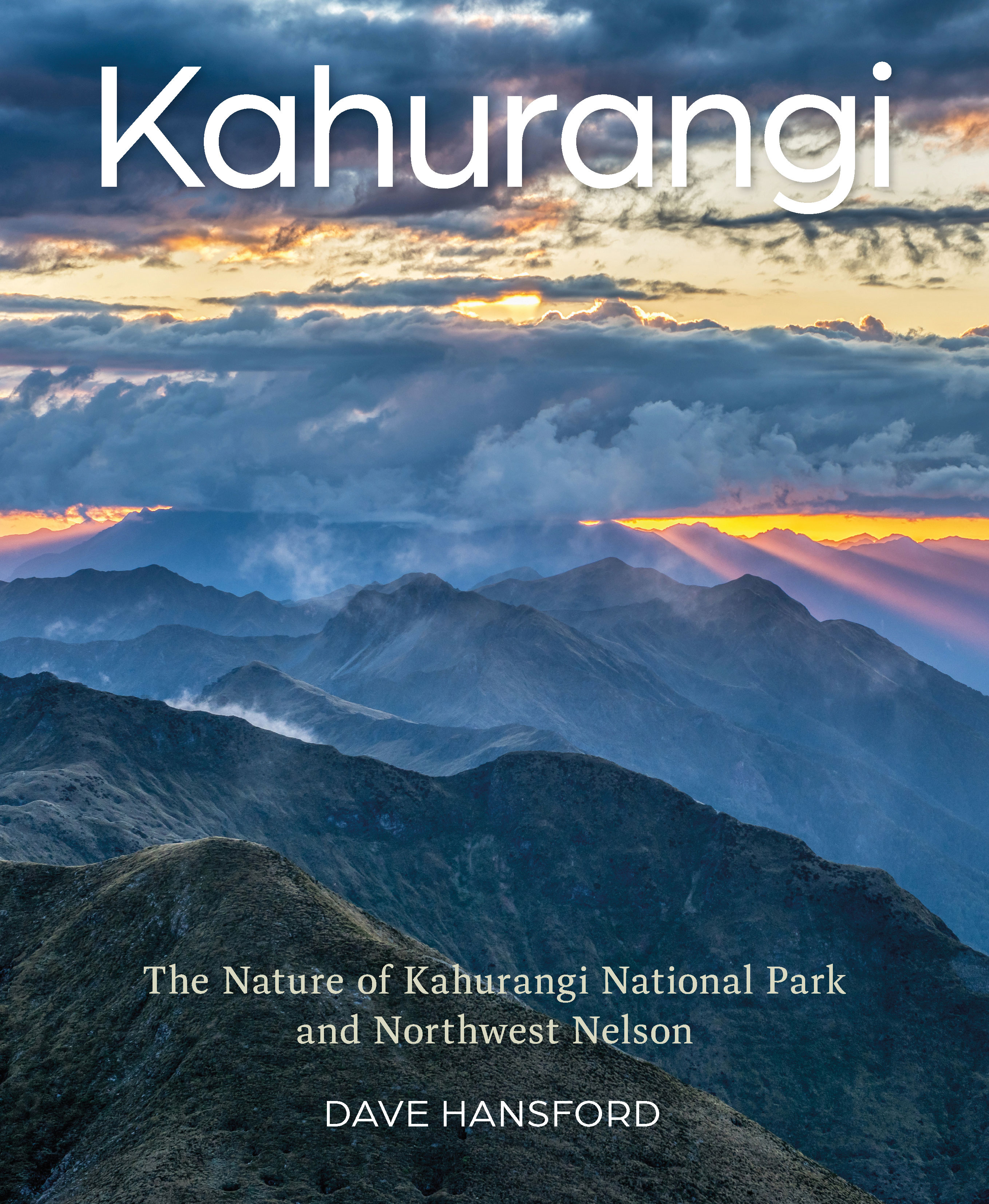
Dave Hansford, Potton & Burton, $79.99 & A Wild Life: Photographs from the Backcountry of Aotearoa, Shaun Barnett, Potton & Burton, $59.99 (more…)
More by Rebekah White



Going tramping with the outdoorsman Shaun Barnett, some things were inevitable, writes his friend Dave Hansford in the introduction to A Wild Life. Spotting a spur high above, Barnett would say something like, “There’s a bivvy on that ridge I’d quite like to take a look at,” and next thing, Hansford would be scrambling uphill to some “dismal, corri-iron dogbox”.
Then, protocol was observed. “Before he’d even take off his raincoat, Barnett would add his name to the hut book with a gladiatorial flourish.”
Barnett’s name has appeared, at some point or another, in more than 1000 of New Zealand’s backcountry hut books. His first story for New Zealand Geographic, in 2000, was about the Tararua Range, his backyard. His writing and photography (right) have regularly appeared in the magazine since, especially in the form of excerpts from his books on the history of tramping huts. A Wild Life is the first collection of his nature photography, and it’s published posthumously: Barnett died in June, aged 55, from brain cancer.
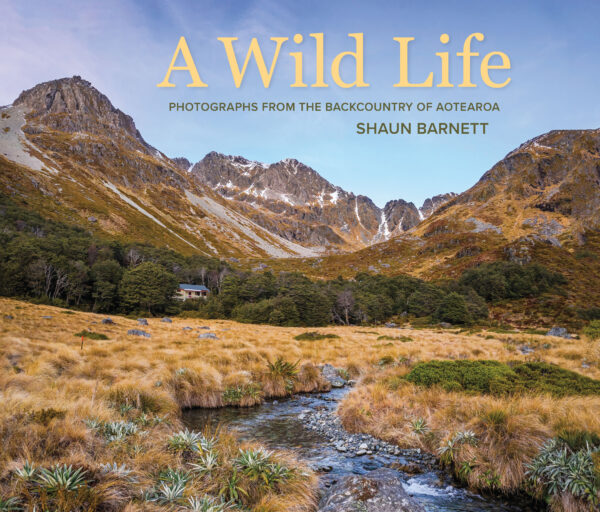
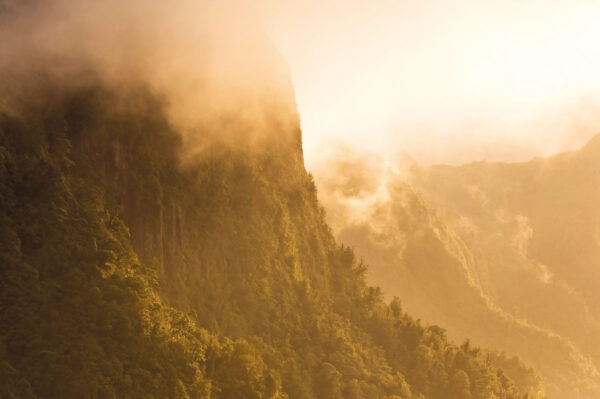
A Wild Life is full of scenes familiar to any tramper: highcountry tarns, huts nestled into bush-coated hills, mist hanging between trees. But Barnett also zooms in on snow marguerites, lichen, and quartz veins in schist. “Enjoy this, his parting gift,” writes Hansford.
Hansford, also a regular contributor to this magazine, has just published Kahurangi, a close look at New Zealand’s most biodiversity-rich national park. Covering the northwest of the South Island, Kahurangi is home to rare plants, carnivorous land snails, native bats and, every September, thousands of kuaka/bar-tailed godwits coming into land. “If it’s threatened or rare,” writes Hansford, “it probably still hangs on in Kahurangi.”
The book explores the national park ecosystem by ecosystem. There’s the ancient seabed that forms the Thousand Acre Plateau; the spider orchids and sundews in the giant wetland, Mangarākau; the cave systems, filled with spiders and bones, undergirding the mountains; the kiwi holding on to their territory in the Enchanted Forest, which the Heaphy Track passes through.
Hansford writes with flourish and humour. The Main Divide is “scar tissue over the gash of the Alpine Fault”. Takahē experiment with various polyamorous household arrangements on the Gouland Downs. Kuaka preparing to migrate reach 55 per cent body fat—“technically, they are Type 2 diabetic”—before their non-stop migration to Alaska.
Hansford’s more philosophical digressions point out that just as humans have altered the natural world, it has the power to alter us back. “The people who campaigned to make Kahurangi a national park understood this well,” he writes. “They knew that, just as nature needs a place where it can live to its fullest, most vibrant expression, so do we.”
More by Rebekah White
Subscribe to our free newsletter for news and prizes
3
$1 trial for two weeks, thereafter $8.50 every two months, cancel any time
Signed in as . Sign out